
Spend time in an Italian home and you notice that certain small daily rituals are treated as simply non-negotiable, the baseline of being a clean and presentable person, and that many of them are things a typical American never thinks about at all. To an Italian woman these habits are not fussy or excessive but obvious, the ordinary maintenance of a body and a home, so ingrained that skipping them would feel faintly unclean. To an American they can look like a surprising amount of effort. The gap between the two is a small window into two different ideas of what cleanliness means.
None of this is about one culture being cleaner than another, and it would be a mistake to frame it as a competition. It is about different habits, different priorities, and different definitions of what counts as basic hygiene, shaped by climate, history and custom. But the Italian habits are worth knowing, because many of them are quite sensible, easy to adopt, and quietly improving to daily life, and because seeing them laid out reveals how arbitrary some of our own routines really are.
Here are nine hygiene habits that Italian women tend to consider essential and that many Americans skip entirely, offered as an interesting cultural comparison rather than a set of rules or any kind of judgment. This is general lifestyle observation rather than medical advice, individual needs vary, and the point is curiosity rather than correction. But you may find, looking through them, that one or two are worth borrowing.
1. The Bidet, Used Every Day
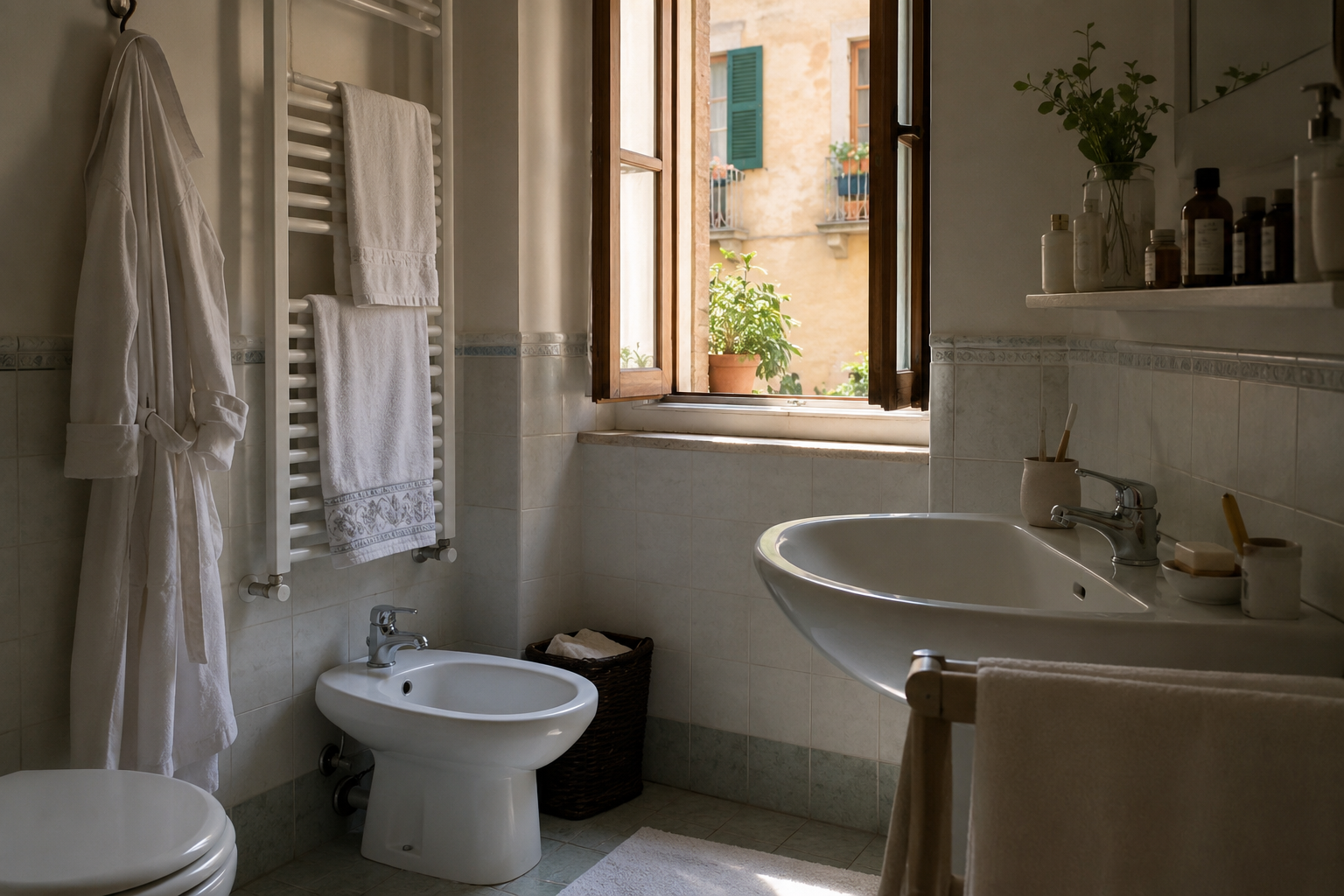
The single most striking difference is the bidet, which is standard in Italian bathrooms and largely absent from American ones. To an Italian woman the bidet is not a luxury or an oddity but an essential fixture, used daily for intimate cleansing, and the idea of a bathroom without one strikes many Italians as truly surprising and a little unhygienic.
The logic is simple and hard to argue with. The bidet allows a thorough water-based cleaning that paper alone cannot match, and Italians consider it far more hygienic for intimate areas than the American reliance on toilet paper, which is why it remains a fixture even in modern bathrooms. It is perhaps the clearest example of a habit Italians consider basic and Americans have simply never adopted.
Americans who encounter the bidet often start puzzled and end converted. What looks at first like a strange extra fixture reveals itself, in use, as an obvious improvement in personal cleanliness, and many travelers return home wishing they had one. It is the definitive Italian hygiene habit, essential there and almost unknown here. The contrast is stark enough that the bidet has become a kind of shorthand for the whole difference in bathroom culture. Where an American bathroom is built around the toilet and the shower, the Italian one adds a third fixture devoted entirely to a task Americans handle with paper, and that single addition captures how differently the two cultures think about intimate cleanliness.
2. Changing Into Clean Clothes at Home
Many Italian women change out of their outside clothes when they come home, swapping the garments worn in the street for clean house clothes kept for indoors. The clothes worn outside are considered to carry the dirt of the outside world, and bringing that into the clean space of the home, onto the sofa or the bed, is something to be avoided.
This reflects a deeper Italian instinct about keeping the outside and the inside separate. The street is dirty, the home is clean, and the boundary between them is maintained by changing clothes at the threshold, a small ritual that keeps the outside world’s grime from migrating onto furniture and bedding. To sit on the bed in the same jeans worn on the metro would strike many Italians as unclean.
Americans, by contrast, routinely wear outside clothes throughout the house without a second thought, flopping onto the bed in street clothes and thinking nothing of it. The Italian habit of a dedicated change of clothes at home is a simple one, and once adopted it makes a great deal of sense, keeping the spaces you rest in cleaner than they would otherwise be. There is a practical health logic to it as well, since the outdoor clothes have brushed against public seats, handrails and crowded spaces all day. Setting them aside on returning home keeps whatever they have collected off the surfaces where you sleep and relax, which is exactly the outcome the habit is designed to produce.
3. Never Wearing Outside Shoes Inside
Closely related, and just as strongly felt, is the rule against wearing outdoor shoes inside the home. Shoes worn in the street, on pavements and public floors, are considered to carry obvious filth, and walking that through the house, especially onto the floors where one might sit or where children play, is avoided by keeping a pair of indoor slippers by the door.
The reasoning is vivid once you picture it. The soles of outdoor shoes touch the dirtiest surfaces of the day, and tracking whatever they have gathered across clean home floors is exactly what the shoe change prevents, replacing street shoes with the ciabatte, the house slippers that stay indoors. The floors stay clean, and the feet stay comfortable.
Here American practice varies, but many households wear outdoor shoes throughout the home, which Italians find puzzling. Swapping to indoor slippers at the door is an easy habit to adopt, keeps floors markedly cleaner, and is more comfortable besides, one of the simplest of the Italian habits to borrow.
4. Airing Out the Home Every Morning
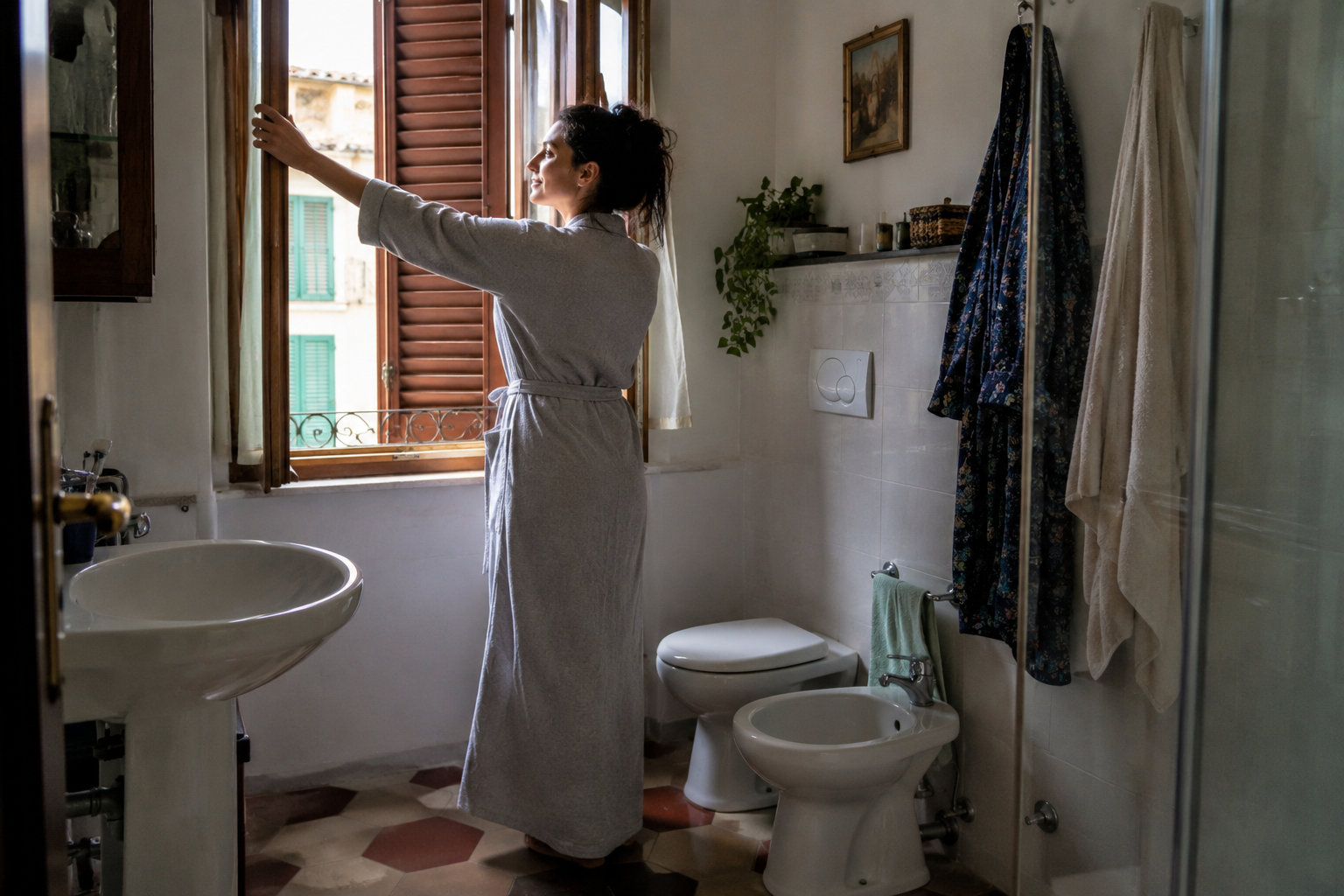
Every morning in Italy, windows open. The daily airing of the home, throwing open the windows to let fresh air move through the rooms and clear out the stale air of the night, is a deeply ingrained habit that Italian women consider essential to a clean and healthy home, done faithfully even in cold weather.
The belief behind it is that a closed-up home grows stale and unhealthy. Letting fresh air circulate each morning clears out the stuffiness, the odors and the stagnant air, refreshing the whole home and, in the Italian view, keeping it healthier, which is why the windows are opened daily regardless of season. Even in the depths of winter, an Italian will crack the windows for a brisk few minutes to exchange the air, treating the cold as a small price for freshness. The airing is not skipped because it is inconvenient, which is precisely what marks it as a true habit rather than a fair-weather preference. Bedding is often aired at the same time, pulled back or hung to let it breathe.
Americans, living so much in climate-controlled and sealed homes, rarely practice this deliberate daily airing, keeping windows shut and relying on air conditioning or heating instead. The Italian morning airing costs nothing, freshens the home, and is one of the easiest habits on this list to adopt, a small daily ritual that makes a home feel cleaner.
5. Hanging Laundry to Dry in Fresh Air
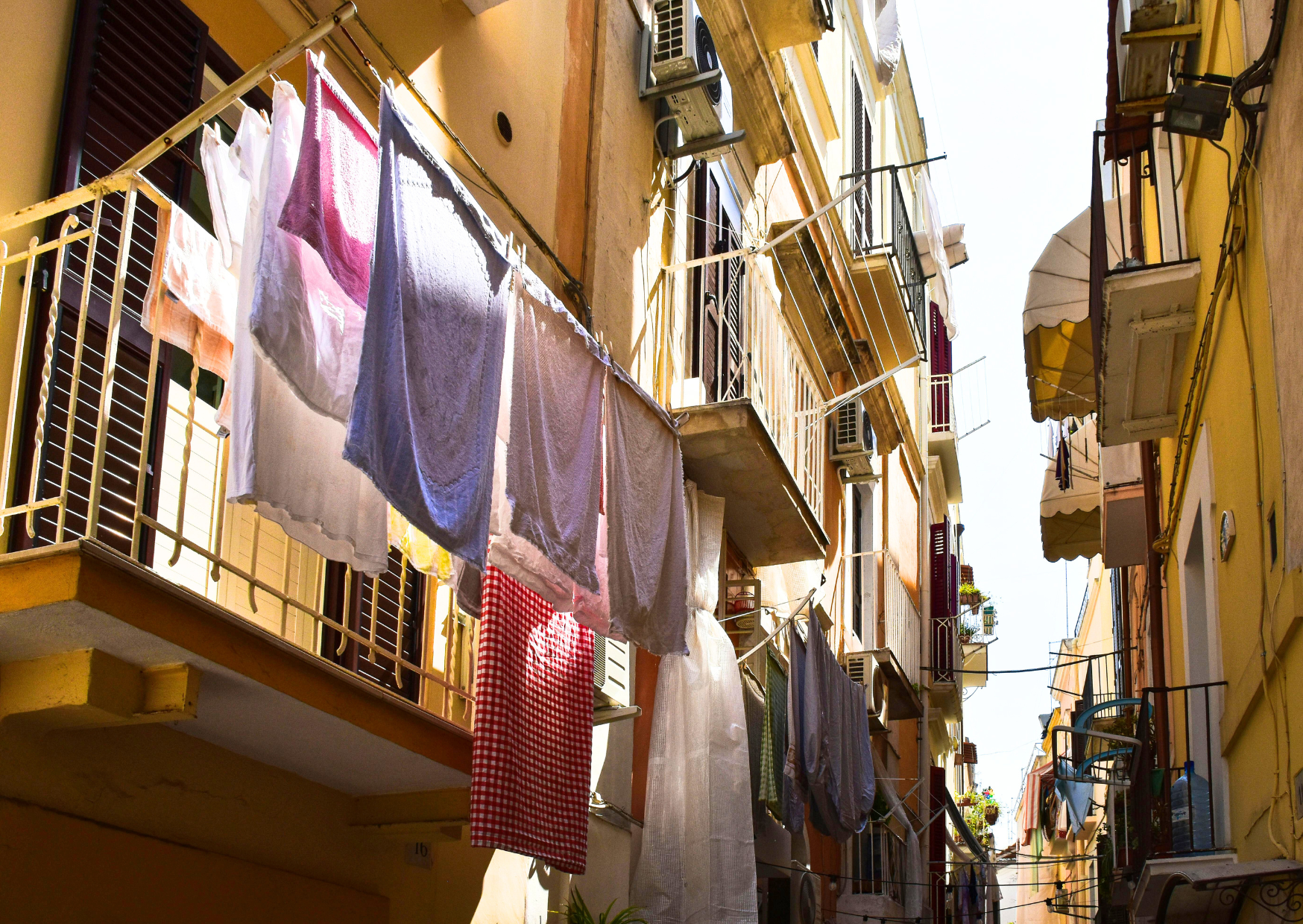
Italian women overwhelmingly hang their laundry to dry rather than using a machine dryer, and they consider this not merely economical but better for cleanliness and freshness. Clothes and linens dried in the fresh air and sun are thought to come out fresher and cleaner, and the sun itself is credited with a natural freshening and sanitizing effect.
There is real reasoning here beyond tradition. Air and sun drying leaves laundry smelling fresh in a way many prefer to the machine-dried alternative, the sunlight helps freshen the fabric, and the gentler process is kinder to clothes, all of which is why the hung line remains standard across Italy. The dryer, so central to American laundry, is far less common in Italian homes.
Americans lean heavily on the machine dryer for speed and convenience, and many have never dried laundry any other way. Line drying takes more time and planning, but where space and weather allow, it produces notably fresh results, and it is a habit worth trying at least for linens and towels.
6. A Serious, Layered Skincare Routine
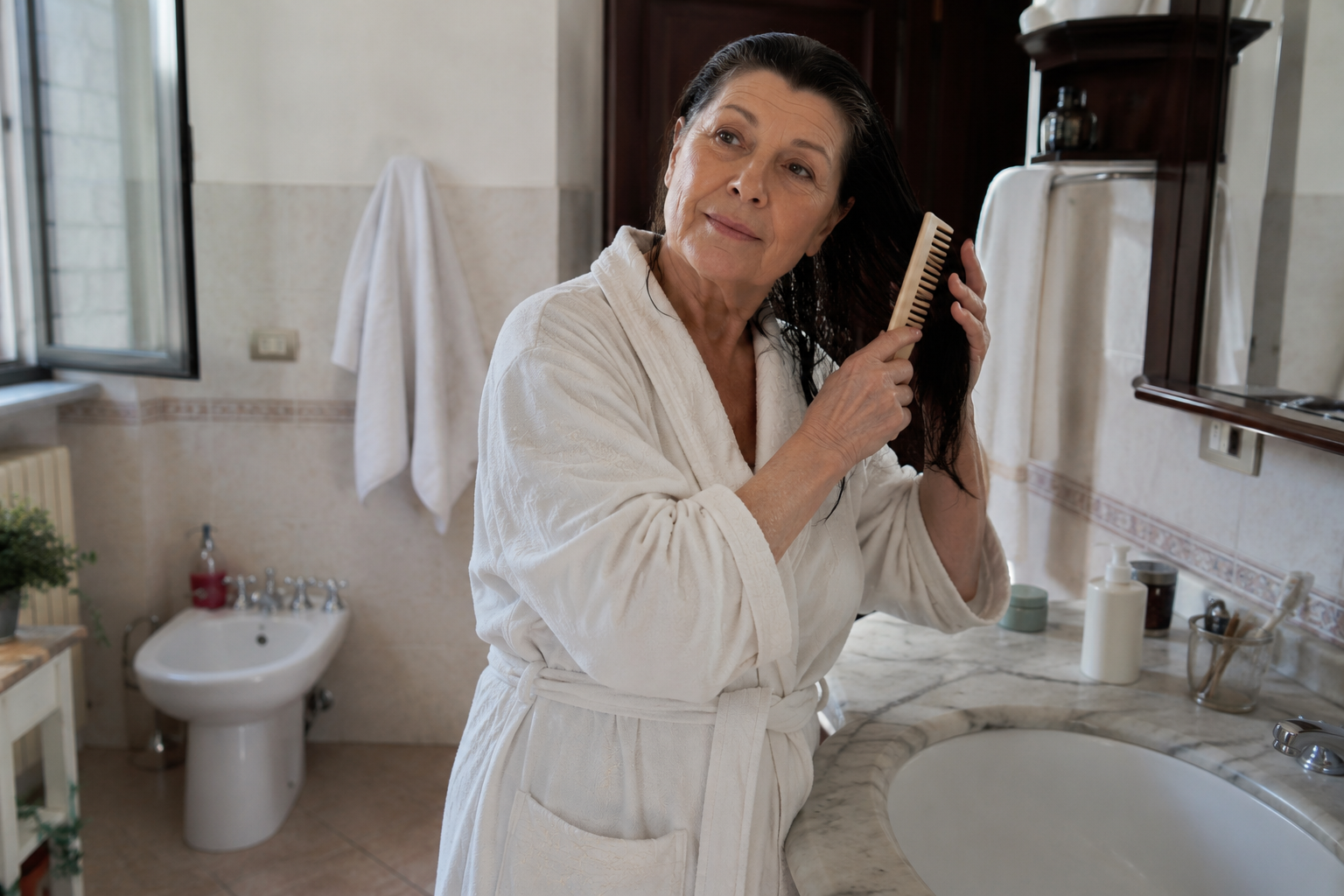
Italian women tend to treat skincare as a daily discipline rather than an afterthought, cleansing, moisturizing and protecting the skin as a matter of course. The care of the skin is considered basic maintenance, not vanity, and it is practiced consistently from a young age as part of ordinary hygiene.
The emphasis falls on consistency and gentleness rather than aggression. Italian skincare tends to favor regular cleansing, diligent moisturizing and the habitual use of sun protection, treating the skin as something to be maintained daily rather than rescued occasionally, which reflects a broader Mediterranean attention to caring for the body over time. Quality and routine matter more than novelty.
Many Americans, though certainly not all, treat skincare more sporadically or as a cosmetic pursuit rather than a hygiene basic. The Italian approach of a simple, consistent daily routine, centered on cleansing, moisturizing and sun protection, is both sensible and easy to adopt, and it treats the skin as the everyday priority it deserves to be.
7. Dressing Well Even for Small Errands
The Italian concept of a good appearance, the famous bella figura, means that Italian women tend to present themselves carefully even for minor outings, and this attention to grooming and presentation functions as a kind of hygiene standard. Leaving the house looking put-together, clean and well-groomed is simply expected, even for a quick trip to buy bread.
This is about self-respect as much as appearance. The care taken to look presentable, clean clothes, tidy hair, a considered appearance even for the smallest errand, reflects an attitude toward oneself and toward others, a sense that presenting oneself well is a basic courtesy and a form of dignity. The sloppy quick-errand outfit common in America is far less accepted.
Americans often embrace a much more casual public presentation, running errands in gym clothes or loungewear without a thought. The Italian instinct to look after one’s appearance, even modestly, even briefly, is less about vanity than about a daily standard of self-presentation, and there is something to be said for the small lift in dignity it provides.
8. Meticulous Kitchen and Home Cleanliness
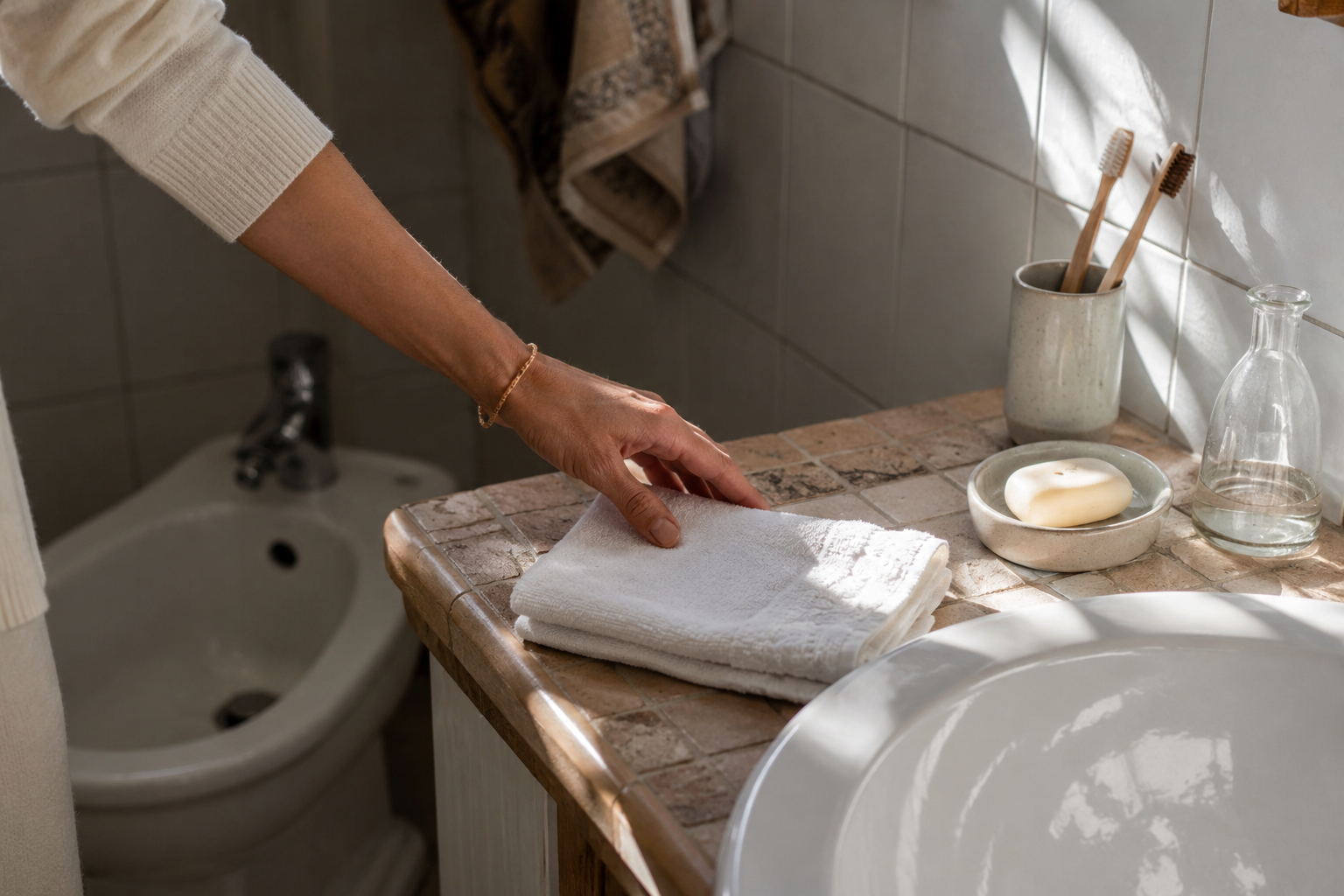
Italian women tend to keep their kitchens and homes to an exacting standard of cleanliness, with daily attention to surfaces, floors and the spaces where food is prepared and eaten. The home, and especially the kitchen, is kept clean as a matter of continuous routine rather than occasional deep cleaning, and standards are high.
The kitchen receives particular devotion. As the heart of the Italian home and the place where food is prepared, the kitchen is cleaned thoroughly and often, floors washed regularly, surfaces kept spotless, everything maintained in a state of readiness, because a clean kitchen is considered fundamental to a clean home. The daily upkeep prevents the need for dramatic cleaning later.
American home-cleaning habits vary enormously, but the consistent Italian standard of daily attention, especially in the kitchen, is stricter than many American routines. The habit of continuous light cleaning, a little every day rather than a lot occasionally, keeps a home consistently pleasant and is a sensible model to borrow.
9. Fresh Personal Presentation and Fragrance

Finally, Italian women tend to pay careful attention to smelling fresh and clean, through good personal hygiene and the considered use of fragrance, treating a fresh personal scent as part of basic presentation. This is less about heavy perfume than about a clean, fresh, pleasant impression maintained as a matter of course.
The approach is one of freshness rather than excess. The goal is to smell clean and subtly pleasant, achieved through good hygiene and a light, well-judged use of fragrance, rather than through drowning oneself in strong scent, which reflects the Italian preference for a natural, groomed freshness rather than an announcement that arrives before you do. Attention to this is considered simply part of being well presented.
Americans certainly attend to personal freshness, but often through different means, relying more heavily on strong deodorants and body sprays. The Italian emphasis on an overall clean freshness, lightly and thoughtfully maintained, is a pleasant standard, treating how one smells as one more element of a considered daily presentation.
What the List Really Shows
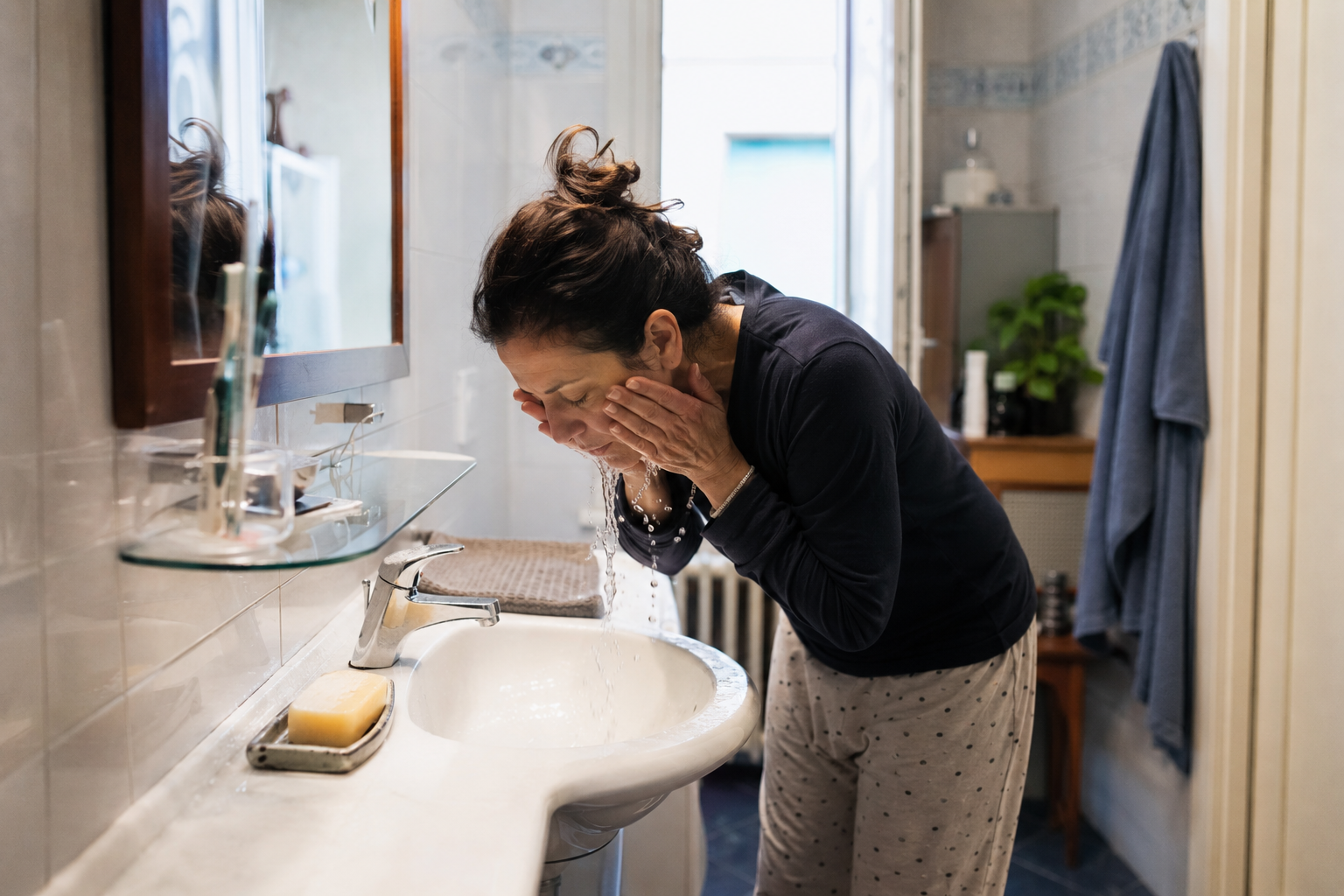
Looking at these nine habits together, the pattern that emerges is not that Italians are cleaner than Americans but that they draw the lines of basic hygiene in different places. The bidet, the change of clothes, the indoor shoes, the aired home, the line-dried laundry, all reflect an idea of cleanliness centered on maintaining boundaries and daily rituals, and it differs from the American idea rather than beating it.
What makes the Italian habits worth borrowing is not that they are superior but that many of them are quietly sensible and easy to adopt. Opening the windows each morning, changing into house clothes, keeping outdoor shoes at the door, drying laundry in the sun, none of these costs much, and each makes a home or a body a little cleaner and fresher, which is reason enough to consider them.
In the end the list is less a lesson in hygiene than a reminder that the routines we treat as universal are really just habits, and that other people, living well, do things differently. The Italian woman who cannot imagine a home without a bidet and the American who cannot imagine needing one are each simply following the customs they grew up with. Seeing the alternative laid out is a chance to notice our own habits, keep what serves us, and borrow what appeals, which is the quiet pleasure of looking closely at how other people live. The bathroom in Rome and the bathroom in Ohio are furnished by habit as much as by plumbing. Perhaps the most useful takeaway is simply the reminder to question the routines we never examine. Most of us inherited our hygiene habits without choosing them, absorbing whatever our own culture treated as normal, and a list like this is a rare chance to hold those inherited routines up to the light and ask whether they still make sense. Some will, and some, on reflection, will not.

About the Author: Ruben, co-founder of Gamintraveler.com since 2014, is a seasoned traveler from Spain who has explored over 100 countries since 2009. Known for his extensive travel adventures across South America, Europe, the US, Australia, New Zealand, Asia, and Africa, Ruben combines his passion for adventurous yet sustainable living with his love for cycling, highlighted by his remarkable 5-month bicycle journey from Spain to Norway. He currently resides in Spain, where he continues sharing his travel experiences with his partner, Rachel, and their son, Han.