
Last updated on October 27th, 2026 at 01:22 pm
And how this quiet habit reveals a fundamentally different relationship with time, space, and daily life
If you’ve ever followed a European friend through their city or even just tagged along on a “quick” errand you’ve probably experienced this moment.
You thought you were heading around the corner.
Twenty minutes later, you’re crossing a bridge, turning down alleys, dodging bicycles, and starting to wonder if this still qualifies as “walking distance.”
Meanwhile, your local companion isn’t breaking a sweat. They’re not checking their watch. They’re not asking if you’re tired.
To them, this is normal.
In fact, it’s pleasant.
Because in Europe, walking isn’t just a mode of transport.
It’s a mindset. A daily rhythm. A cultural value.
And the distance Americans often perceive as unreasonable, even absurd, is one Europeans barely notice.
Here’s why Europeans walk so much and why the American reaction reveals something deeper than just a difference in fitness.
One of the first things many Americans notice in Europe is how normal it is to walk distances that would often feel excessive back home. A 20-minute walk to dinner, a half-hour trip to the market, or crossing an entire neighborhood on foot can feel completely ordinary in many European cities.
At first, it is tempting to assume Europeans simply enjoy walking more. But the difference is usually deeper than personal preference. The design of cities, access to public transportation, density of shops and services, and the cost and inconvenience of driving all shape how people move through daily life.
When walking is built into the routine, it stops feeling like exercise. It becomes how you get coffee, reach the train, pick up groceries, meet friends, or run errands. Those small trips accumulate without requiring a separate workout plan.
By contrast, many American communities were built around cars. Longer distances, wide roads, large parking lots, fewer sidewalks, and separated residential and commercial areas can make walking impractical even for people who would like to do more of it.
The interesting question is therefore not why Europeans are somehow better at walking. It is why some environments make walking feel natural while others make the same distance feel inconvenient, inefficient, or even unsafe.
Want More Deep Dives into Everyday European Culture?
– Why Europeans Walk Everywhere (And Americans Should Too)
– How Europeans Actually Afford Living in Cities Without Six-Figure Salaries
– 9 ‘Luxury’ Items in America That Europeans Consider Basic Necessities
The controversial truth is that Europeans are not necessarily more disciplined than Americans. In many cases, they simply live in places where walking is the easiest option. When the bakery, pharmacy, school, station, and grocery store are all nearby, daily movement happens almost automatically.
Another uncomfortable reality is that telling Americans to “just walk more” ignores the way many neighborhoods are designed. A destination may technically be only a mile away, but that distance feels very different when the route includes six-lane roads, missing sidewalks, dangerous crossings, or no shade.
There is also a cultural difference in what counts as a reasonable distance. In some European cities, walking 15 or 20 minutes barely registers as a decision. In more car-dependent places, the same journey may automatically trigger the instinct to drive.
Europe is not universally walkable either. Rural areas, suburbs, industrial zones, and newer developments can be just as car-dependent as anywhere else. Romanticizing the entire continent as one giant pedestrian paradise ignores huge differences between countries and regions.
The real controversy is that everyday activity is often shaped more by infrastructure than motivation. A person living in a compact city may accumulate thousands of steps without trying, while someone in a car-oriented suburb may need to deliberately schedule movement into the day.
1. Walkability Isn’t a Luxury It’s the Default

Most American cities were built for cars.
Parking lots, suburban sprawl, and highways define the layout of everything from supermarkets to schools.
European cities, by contrast, were built before cars existed.
Cobblestone streets, narrow alleyways, mixed-use plazas, and dense building clusters all reflect a pedestrian-first design.
It’s not just the big cities like Paris or Florence.
Even in smaller towns, it’s normal to walk to the bakery, the pharmacy, the post office, and the train station all within a 15-minute stroll.
You don’t plan for walking. You just do it.
2. Daily Life Is Designed Around the Footpath
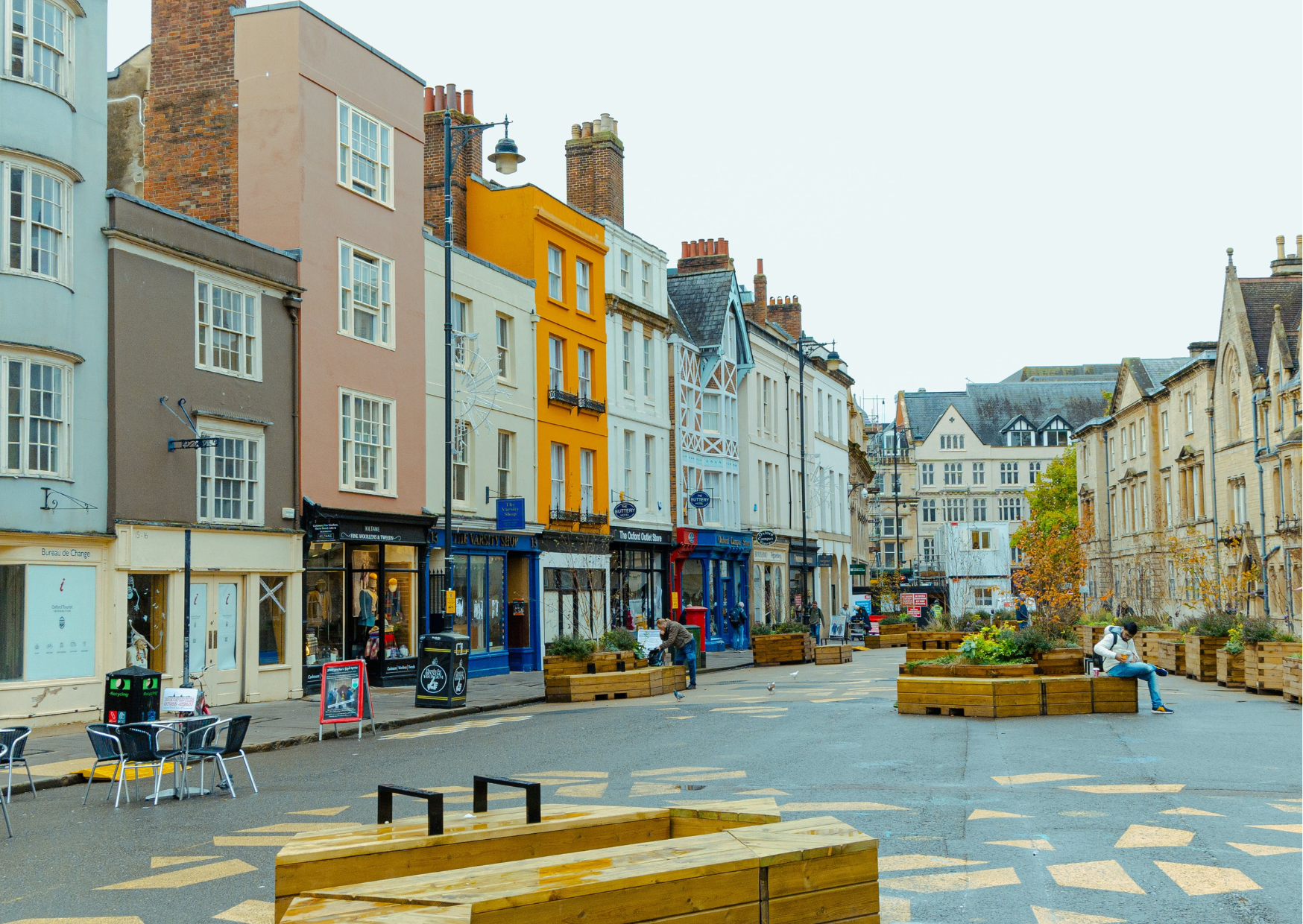
In Europe, urban planning puts people at the center.
There are sidewalks on every block, public squares instead of parking lots, and shaded walking corridors where people gather, sit, and chat.
You can live a full life without ever owning a car.
The grocery store isn’t a giant warehouse off the freeway. It’s a neighborhood market.
The school isn’t 20 minutes away by SUV. It’s three blocks from home.
The pharmacy, café, butcher, tailor, and dentist are all within strolling distance.
Walking is built in not forced in.
3. Public Transit Complements Walking Not Replaces It
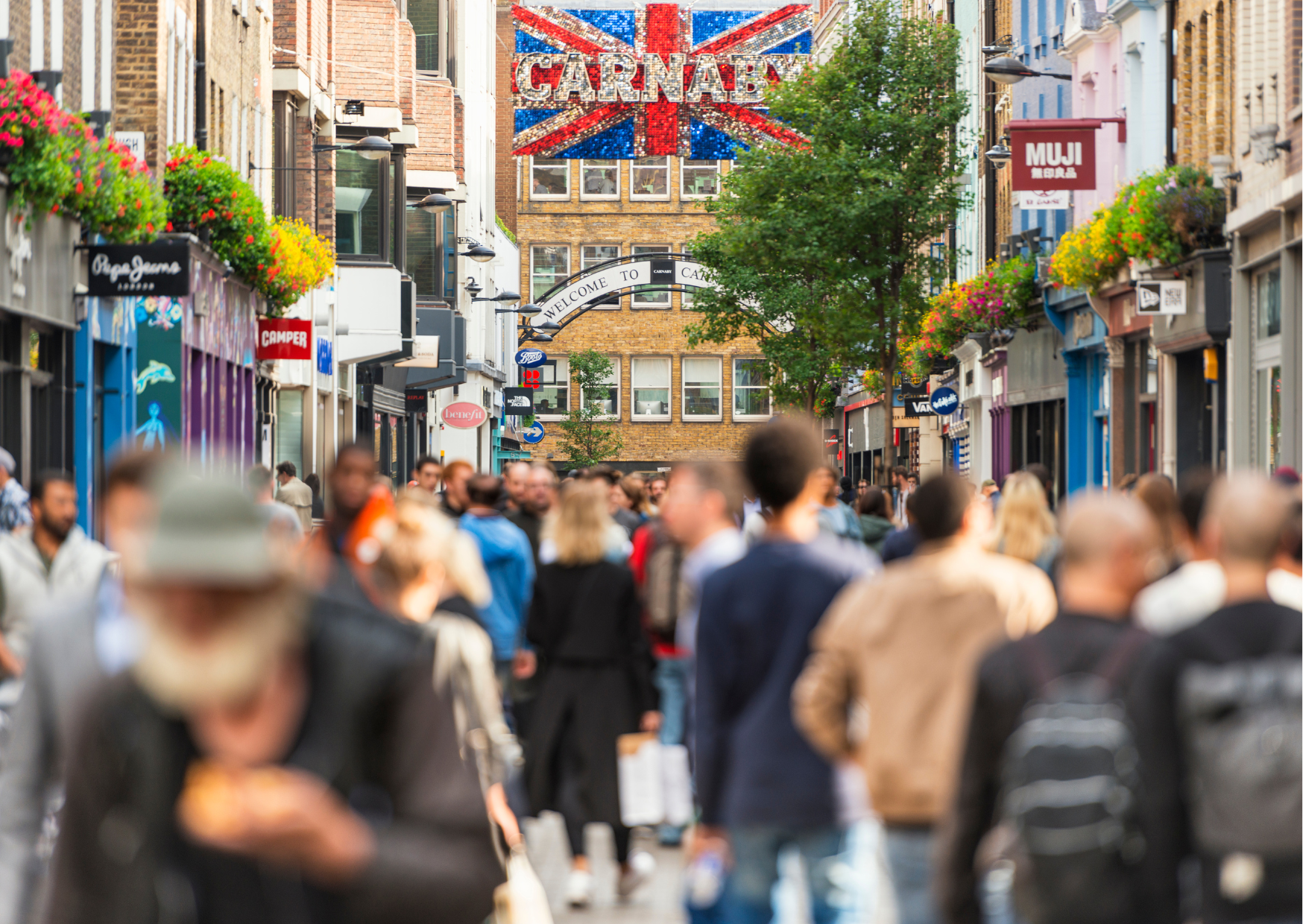
Even when Europeans use public transport, walking is still part of the journey.
Trains, metros, and buses take you across cities and countries but you walk to the station, through the platforms, down the streets on the other side.
It’s rare to be dropped at a doorstep.
And no one expects to be.
That’s part of the system.
European cities encourage what urban designers call the “first mile, last mile” walk the bit before and after you hop on transit.
It’s considered natural. Even healthy.
Americans often design around minimizing this. Europeans design around normalizing it.
4. Cars Are Less Central And Often Inconvenient

Owning a car in many European cities is not just expensive. It’s inconvenient.
Parking is scarce. Gas is expensive. Traffic is often restricted or banned in central areas.
Some city centers like in Florence, Strasbourg, or Madrid don’t allow non-resident vehicles at all during certain hours.
This creates a culture where walking isn’t a backup plan. It’s the plan.
Young people don’t rush to get a car at 16. Retirees walk their own groceries home. Families navigate city life with strollers and wagons, not SUVs.
In the U.S., walking can feel like a sign of poverty or lack of access.
In Europe, it’s often a sign of privilege living where life is reachable on foot.
5. Physical Distances Feel Shorter When the Journey Is Pleasant

An American might say, “It’s a 25-minute walk, are you sure?”
A European might reply, “Yes, it’s just 25 minutes.”
The difference lies in how that time is experienced.
European walking routes tend to be:
- Shaded with trees
- Interrupted by fountains, shops, or parks
- Filled with people and movement
- Low-stress, thanks to low car traffic and strong pedestrian rights
In many American suburbs or cities, a similar walk would mean:
- Endless sidewalks beside highways
- Loud traffic noise
- Few benches, zero shade
- No storefronts, no street life
The distance may be the same.
But one feels like leisure. The other feels like punishment.
6. Walking Is Social Not Solitary
In Europe, people walk together.
To school. From work. To meet friends. To get ice cream. To run errands.
The journey is often the conversation.
Walking is not isolated exercise. It’s how people process their day. Talk about their families. Catch up with neighbors. Wind down from work.
This builds a kind of community Americans don’t always expect.
You’ll hear snippets of conversation, laughter, phone calls, greetings exchanged across the street.
The sidewalk isn’t just a path. It’s a stage.
7. Walking Isn’t Just for the Fit It’s for Everyone

In American culture, walking often gets labeled as fitness.
Something you schedule. Something that requires sneakers and a step counter.
In Europe, walking is just life.
Older people walk slowly. Parents walk with kids. Teenagers walk in groups. No one is speed-walking unless they’re late.
The pace isn’t the point. Presence is.
There’s no pressure to “get your steps in.” You’ll get them in because you’re living.
Not because you’re exercising but because you’re engaged with your environment.
8. The “Too Far to Walk” Mentality Doesn’t Exist
Americans might drive to a shop half a mile away. Europeans might walk 45 minutes rather than find parking.
Distance is interpreted differently.
In places like the U.S., where space is abundant, distance feels exaggerated. Everything is far by design.
In Europe, where cities are compact and destinations are clustered, distance feels manageable.
People are used to walking 20 to 30 minutes for things Americans would drive five for.
It’s not even considered a big effort.
They don’t say, “You walked there?”
They say, “Of course.”
9. There’s Joy in the Journey Not Just the Destination
This is perhaps the most crucial cultural difference.
In much of American life, the goal is to arrive. The journey is a means to an end. Efficiency rules.
In Europe, the journey itself is part of the reward.
You pause at the bakery. You watch kids play in a square. You spot a friend and chat. You take the long way around because the light is softer that way.
Walking is a chance to rejoin your surroundings not disconnect from them.
That small mental shift turns every block into an opportunity for life to unfold.
Why You Should Follow This Habit
Walking more can make travel and daily life feel noticeably simpler. Short trips that would normally involve parking, traffic, or waiting for transportation can become opportunities to move while accomplishing something you already needed to do.
You may also discover that distances start feeling shorter surprisingly quickly. A 20-minute walk that initially seems inconvenient can become routine once it is repeated often enough.
Walking is also one of the easiest ways to experience a city more deeply. You notice shops, architecture, parks, cafés, and neighborhood details that disappear when you move primarily by car.
There is also an important practical advantage: walking requires almost no special equipment, planning, or membership. If the environment is safe and comfortable enough, it can be incorporated into ordinary errands rather than treated as a separate fitness task.
Most importantly, copying the European habit does not mean forcing yourself into extreme distances. It simply means reconsidering whether every short journey really needs a vehicle.
Why You Should Not Care So Much
You should not treat walking as a moral test. Driving does not mean someone is lazy, especially when their environment was designed in a way that makes walking difficult or unsafe.
There is also no reason to copy European walking habits exactly. Climate, terrain, disability, age, work schedules, family responsibilities, and neighborhood design all affect what is realistic.
Walking more is not automatically better if it means crossing unsafe roads, walking in extreme heat, or turning a simple errand into an exhausting chore.
You should also avoid comparing your daily step count with someone living in a completely different urban environment. A person in central Madrid, Paris, or Rome may naturally walk far more than someone living in a spread-out suburban area.
Finally, you do not need to walk everywhere to gain the benefits of walking more often. Even replacing a few short car trips or adding a walk after meals can be a meaningful change without reorganizing your entire lifestyle.
One Body, Two Cultures
Americans often marvel at how Europeans stay slim without constant dieting or workouts.
The answer, in part, is walking.
Not power walking. Not treadmill routines. Just consistent, everyday motion integrated into life rather than carved out of it.
But walking is more than movement. It’s mindset.
It’s a declaration that life doesn’t always need to be fast, scheduled, and air-conditioned.
It’s a commitment to the world outside your windshield.
If you’re an American traveler in Europe, you may find yourself quietly frustrated.
Your feet hurt. You feel tired. You wonder how people live like this without collapsing.
But give it a few days.
Let the rhythm soften your internal clock. Let the distances feel shorter with each trip.
Start to notice the flowers in windowsills, the smell of bread, the overheard laughter.
Because once you adjust, something clicks.
You don’t just walk farther. You live closer.
Closer to your community.
Closer to your environment.
Closer to time as it’s actually felt not just measured.
And you may never look at a parking lot the same way again.
The biggest lesson from European walking culture is not that everyone should suddenly start covering enormous distances on foot. It is that movement becomes much easier when it is built naturally into everyday life.
Cities that place homes, shops, schools, restaurants, and transportation close together make walking feel practical rather than heroic.
That is why the same distance can feel completely normal in one country and unreasonable in another. The difference is often less about fitness and more about context.
For travelers, walking can also transform the experience of a destination. Some of the most memorable moments happen between attractions, not at them.
In the end, Europeans do not necessarily walk because they have extraordinary willpower. Many simply live in environments where walking is the obvious choice and once that becomes normal, distances that once seemed impossible stop feeling very far at all.

About the Author: Ruben, co-founder of Gamintraveler.com since 2014, is a seasoned traveler from Spain who has explored over 100 countries since 2009. Known for his extensive travel adventures across South America, Europe, the US, Australia, New Zealand, Asia, and Africa, Ruben combines his passion for adventurous yet sustainable living with his love for cycling, highlighted by his remarkable 5-month bicycle journey from Spain to Norway. He currently resides in Spain, where he continues sharing his travel experiences with his partner, Rachel, and their son, Han.