
There is a quiet window every summer when the experienced travelers make their move, and most people miss it entirely. While the crowds are still sweating through the peak of August and dreaming of next year, the people who have figured out European travel are booking September, and they are doing it now, in the last week of July, before the rush wakes up to what it is missing. September is arguably the best month to visit Europe, and the smart money reserves it early, while it is still quietly on sale.
The logic is simple once you see it, and it rewards those who plan ahead over those who react. September in Europe offers much of what August does, the warmth, the long days, the open coast, but without the punishing crowds and the peak-season prices, and it can be had for less if you book before everyone else realizes they want it. The travelers who wait until September is upon them pay more and choose from less. The ones who book in late July get the best of Europe at a discount. It is one of the closest things travel offers to a free lunch, better conditions for less money, available to anyone willing to plan a few weeks ahead of the herd.
Here is why September is Europe’s best-value month, why the last week of July is the moment to lock it in, and how to book it well before the window closes. This is general travel guidance rather than a guarantee, since prices and availability move constantly and vary by destination, but the underlying pattern is reliable, and understanding it can transform both the cost and the quality of a European trip.
Why September Is Europe’s Best Month
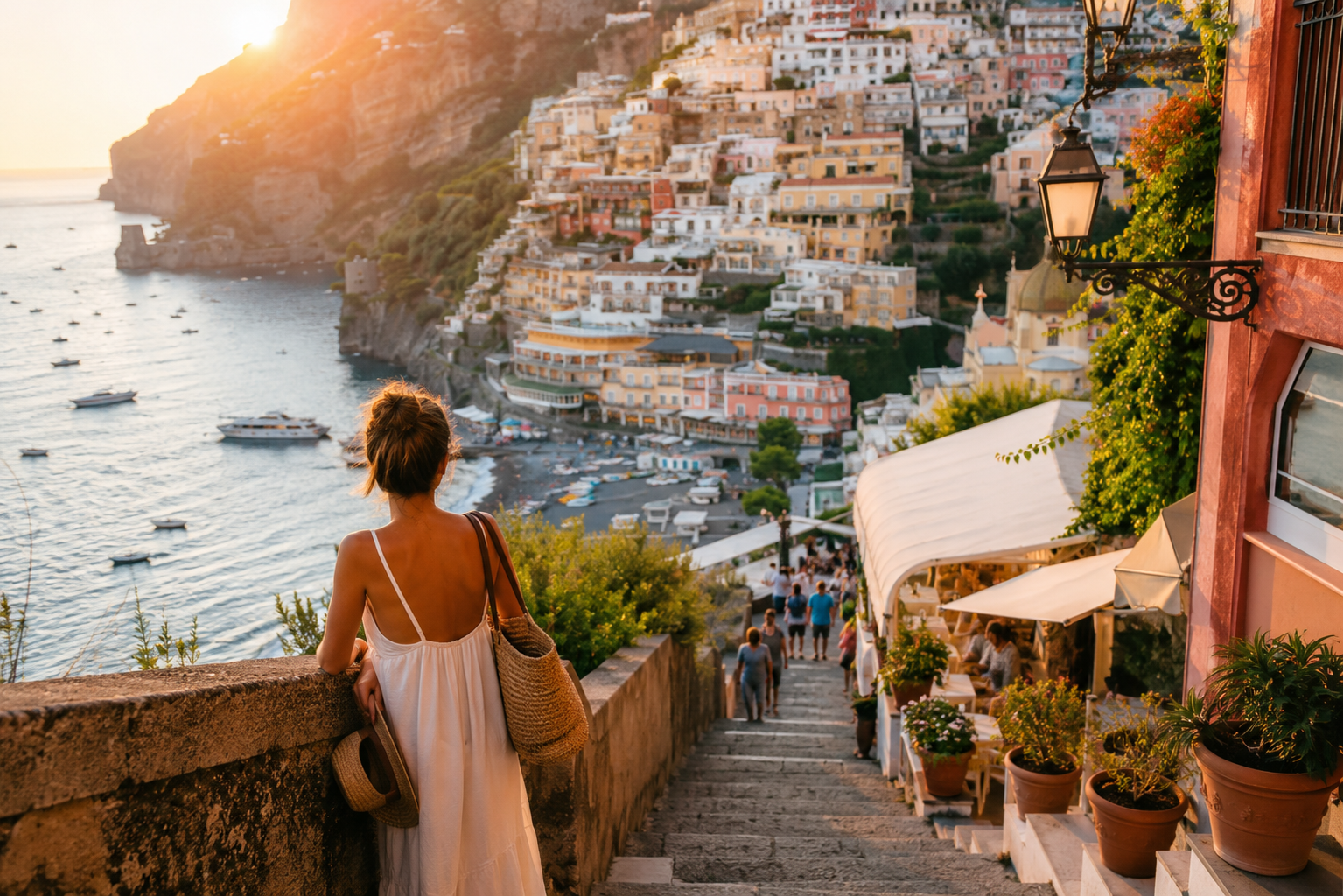
Start with the case for September itself, because it is strong enough to stand on its own before any talk of price. In much of Europe, September is a kind of golden shoulder season, when the summer weather lingers, warm and pleasant, but the intense heat of high summer has begun to ease, so that the days are comfortable rather than sweltering and the evenings turn soft and mild. It is summer with the harsh edges filed off.
Just as important is who is not there. When September arrives, the great summer crowds thin dramatically, as the school holidays end across Europe and the masses of August tourists go home, leaving the famous cities and beaches far quieter and more pleasant than they were a few weeks before. The same place that was a crush in August becomes, in September, a version of itself you can truly enjoy, with shorter queues, emptier beaches and room to breathe.
The combination is what makes the month special. September gives you warm and often beautiful weather, thinner crowds, the sea still warm from the long summer, and a general sense of a continent exhaling after its peak, all at once. You get the pleasures of European summer without its principal miseries, the heat and the hordes, which is why so many seasoned travelers consider it quietly the finest month of the year to be there. What makes this more than a matter of taste is that the two miseries September removes are the two that most damage a summer trip. Extreme heat and dense crowds are not minor annoyances but the things that turn a dream destination into an ordeal, the sweat-soaked queue in the blazing sun that no one remembers fondly, and September simply subtracts both while keeping nearly everything people came for. It is less a compromise than an upgrade that happens to cost less.
The Crowds and Prices Both Fall
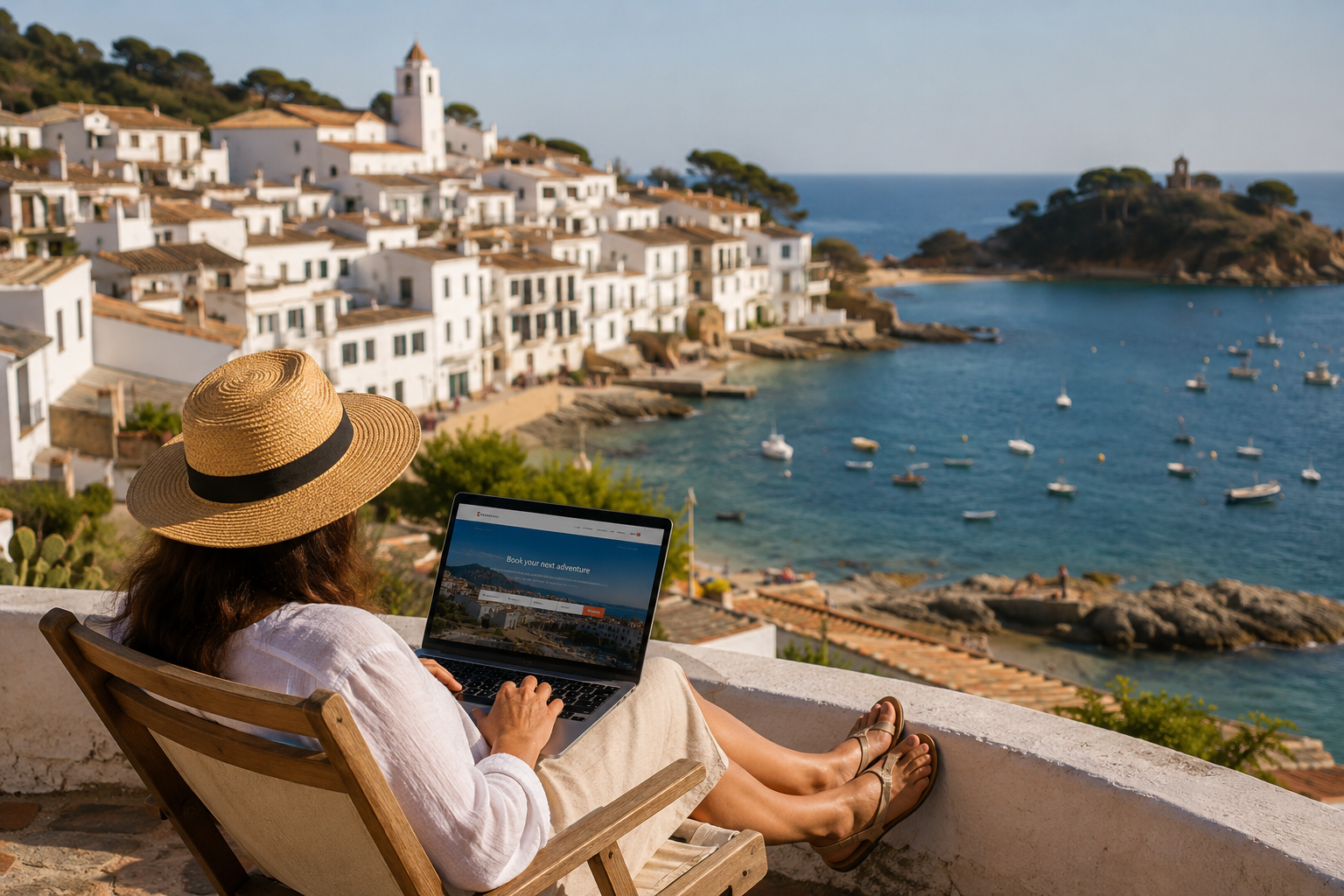
The heart of the value story is that September brings down two things at the same time, the crowds and the costs, and the drop in prices is what makes the timing play worth making. As the peak season ends, demand falls, and with it the prices of the things that cost the most in a European trip, the flights and the accommodation that command their highest rates in July and August. September sits just past that peak, in the discount that follows it.
The savings can be substantial across the board. Airfares to and within Europe tend to ease from their summer highs as September progresses, hotels and rentals drop from peak-season rates, and the whole cost of a trip can come in noticeably below what the identical trip would have cost a few weeks earlier in August. You are buying the same destinations, often in better conditions, for less money, which is the rare combination that makes September such a favorite of value-minded travelers. Nothing about the destination got worse. Only the price and the crowds did, and both moved in your favor.
This is the essence of shoulder-season travel, and September is one of its finest examples. The shoulder season, the shrewd traveler’s secret, is the sweet spot on either side of the peak where the weather is still good but the crowds and prices have fallen, and the early autumn shoulder in Europe is especially generous, since the summer conditions linger well into a month that is already being priced as off-peak. You get peak-season quality at off-peak cost. The word shoulder itself explains the mechanism nicely. A peak has slopes on either side of it, and the shoulder is the ground just below the summit, close enough to share most of the view but spared the crush at the very top, and September is the gentler downhill shoulder where summer’s warmth still reaches while its prices and crowds have started to slide. Travelers who learn to live on the shoulders rather than the peak get a consistently better deal across their whole traveling lives.
Why the Last Week of July Matters

So why book in late July rather than waiting? The answer is that the best prices and the best choices go to those who reserve ahead, and late July is the strategic moment to lock in a September trip before the window narrows. Booking well in advance, while September is still weeks away and most travelers are not yet thinking about it, is how you secure the good flights and the good accommodation at the better rates.
The dynamic is one of demand catching up. Right now, in the last week of July, the crowds are focused on the present, on August and the peak they are living through, and September still feels distant and unclaimed, which is precisely why its flights and rooms can still be had well and at good prices. As the weeks pass and September approaches, more travelers turn their attention to it, demand rises, and the best options and rates begin to disappear.
Booking early, then, is a way of buying at the bottom before the price wakes up. The traveler who reserves a September trip in late July is buying before the surge of interest that will come as the month nears, capturing the good availability and the softer prices that late booking forfeits. It is the difference between choosing from the full menu at the lower price and picking from the leftovers at the higher one, and the whole advantage comes simply from moving first. There is a psychological reason this window stays open as long as it does, which is that most people book travel reactively rather than proactively, waiting until a trip feels imminent before arranging it. Because September does not feel imminent in late July, the reactive majority has not yet arrived to bid up its prices, leaving the field to the small minority who plan ahead. The advantage is not secret knowledge so much as a willingness to act before the moment feels urgent.
The Weather You Actually Want
It is worth dwelling on the September weather, because it is a genuine highlight rather than a mere consolation for missing summer. Across much of Europe, and especially around the Mediterranean, September remains warm and often glorious, with plenty of sunshine and comfortable temperatures that make it ideal for almost everything a summer trip is for, from beaches to cities to hiking to long dinners outdoors.
The sea is a particular gift in September. Having been warmed through the whole long summer, the Mediterranean is often at its most swimmable in September, as warm as or warmer than it was in June, so the beach and the water are still very much in play for anyone whose trip revolves around the coast. The swimming season does not end in August, and September delivers warm water with far fewer people to share it with.
The relief from the extreme heat is its own advantage, and a real one. The most brutal temperatures of the European summer come in July and August, when the interior cities in particular can be oppressively hot, and September brings a welcome easing, warm enough to enjoy but no longer punishing, which makes sightseeing and walking and being outdoors far more pleasant. You get the sun without the suffering, which for many travelers is the ideal.
More Room and Better Days
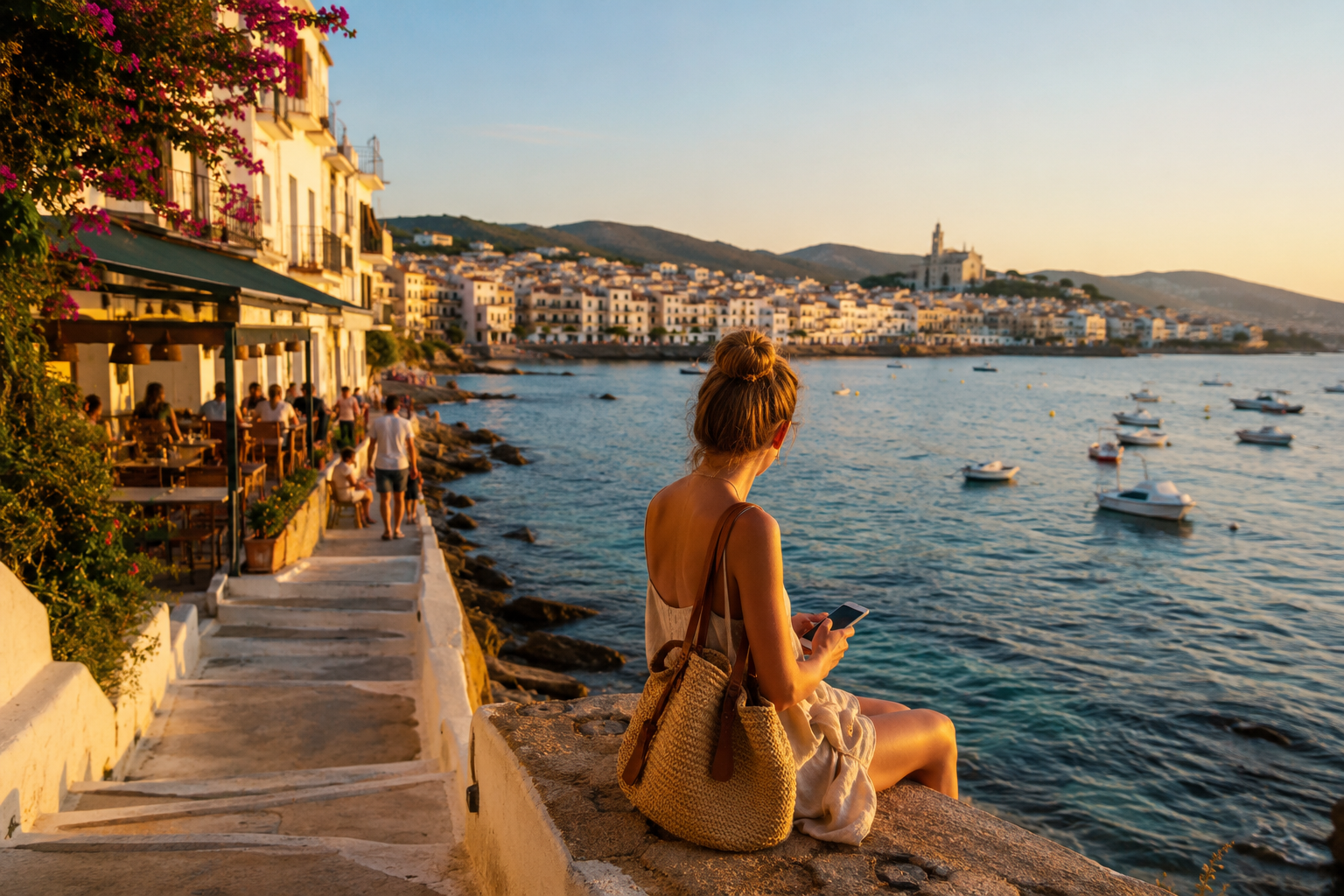
Beyond the weather and the prices, September gives back something harder to measure but deeply valuable, which is space, the simple room to enjoy a place without fighting the crowd for it. The great sights that were mobbed in August grow manageable in September, with shorter lines, easier bookings and a general sense of ease that the peak season simply cannot offer at any price. The experience itself is better, not just cheaper.
This improvement runs through everything. Restaurants that were fully booked become available, beaches that were packed have space to spread out, popular attractions that meant long waits become a pleasure again, and the whole texture of the trip relaxes as the pressure of peak-season demand lifts. Traveling in September, you are not just paying less but getting more, a better version of the same destination.
There is a particular pleasure in seeing a famous place in this gentler light. The great European cities and coasts, so often experienced in summer as a battle against the throng, reveal themselves in September as calmer, more gracious, more livable versions of themselves, closer to how they feel to the people who live there. September lets you experience Europe more like a resident enjoying the end of summer than a tourist enduring its peak, which is a large part of why those who know book it every year.
The One Catch to Watch
No timing play is perfect, and September has a single real catch worth naming so you can plan around it, which is the school calendar. The great advantage of September, the emptying of the crowds, comes precisely because the school holidays end and families with children go home, which means the month is at its best for those who are not tied to the school schedule and least available to those who are. The freedom to travel in September is itself the thing that makes September good.
This is why September belongs so naturally to certain travelers. Retirees, remote workers, couples without school-age children and anyone with flexible time are perfectly placed to seize the month, since they can go when the families cannot, which is exactly what thins the crowds and softens the prices. If your own calendar is free of the school year, September is almost custom-made for you, and the timing play is yours to run.
There is a smaller weather caveat toward the end of the month, and it is worth a moment’s thought. As September wears on, the reliable summer conditions gradually give way, especially in the north, so the very late weeks trade a little certainty of sunshine for even thinner crowds and even lower prices. For sun-critical trips this argues for earlier September or a firmly Mediterranean destination, while for city trips the later weeks can be the best value of all.
None of this dents the core case, which remains remarkably strong. The catch is really just a reminder to match the timing to your priorities, leaning earlier and more southerly if you must have the heat and the sea, and later and more flexibly if you care most about quiet and cost. Within those simple adjustments, September’s advantage holds up and down the continent, which is why the people who understand it book it every single year without hesitation.
How to Book It Well

For anyone persuaded, a few practical moves make the most of the September window, and they start with acting now rather than later. Book your flights and your accommodation in late July or early August, well ahead of the month itself, since this is when the availability is best and the prices have not yet climbed toward the trip, and reserving early is the whole point of the strategy. Do not wait for September to think about September.
It pays to be a little strategic about exactly when in the month you go. The later you push into September, the more the crowds have thinned and the more prices have fallen, though the weather grows slightly less certain toward the end, so the sweet spot for many destinations is the middle of the month, deep enough past the peak for the discount but still reliably warm. The very best value often sits in those middle and later September weeks, once the last of the August crowds are long gone.
Finally, choose the destinations that reward the season. September is superb almost everywhere in Europe, but it is especially magical around the Mediterranean, where the warm sea and lingering summer make the coast a delight, and in the great cities, where the easing heat and thinning crowds transform a visit. Wherever you go, the principle holds, that booking Europe’s best month now, in the quiet window before everyone else remembers it exists, is one of the smartest moves in travel. The best month goes on sale in late July. The people who know are already buying.

About the Author: Ruben, co-founder of Gamintraveler.com since 2014, is a seasoned traveler from Spain who has explored over 100 countries since 2009. Known for his extensive travel adventures across South America, Europe, the US, Australia, New Zealand, Asia, and Africa, Ruben combines his passion for adventurous yet sustainable living with his love for cycling, highlighted by his remarkable 5-month bicycle journey from Spain to Norway. He currently resides in Spain, where he continues sharing his travel experiences with his partner, Rachel, and their son, Han.