
You land in Munich on a Sunday afternoon, drop your bags at the hotel, and head out to pick up a few basics, some groceries for the room, a local SIM card, a bottle of water, maybe a phone charger you forgot to pack. And you find, to your growing confusion, that everything is shut tight. Not just some things, everything: the supermarkets, the drugstores, the phone shops, the department stores, all of them dark and locked, on what feels like an ordinary afternoon. You walk a little further, certain that surely something must be open, and street after street tells the same story of shuttered fronts and empty pavements, until it dawns on you that this is not bad luck but simply how the day works here.
Welcome to one of the most common ways an otherwise well-planned European trip starts off on the wrong foot, the Sunday arrival, when travelers land expecting to stock up and set up and instead run headlong into a wall of closed doors. It is a small thing, but it sours those crucial first hours in a new place, when everything should feel like promise and instead feels like a series of dead ends. It is entirely avoidable once you understand it, and the fix is simple.
What follows is why so much of Europe shuts down on Sundays, which countries are strictest, what actually stays open, and exactly how to plan around it so your trip does not begin in frustration. It is one of those small pieces of knowledge that separates the smooth arrival from the flustered one.
Why Everything Is Closed
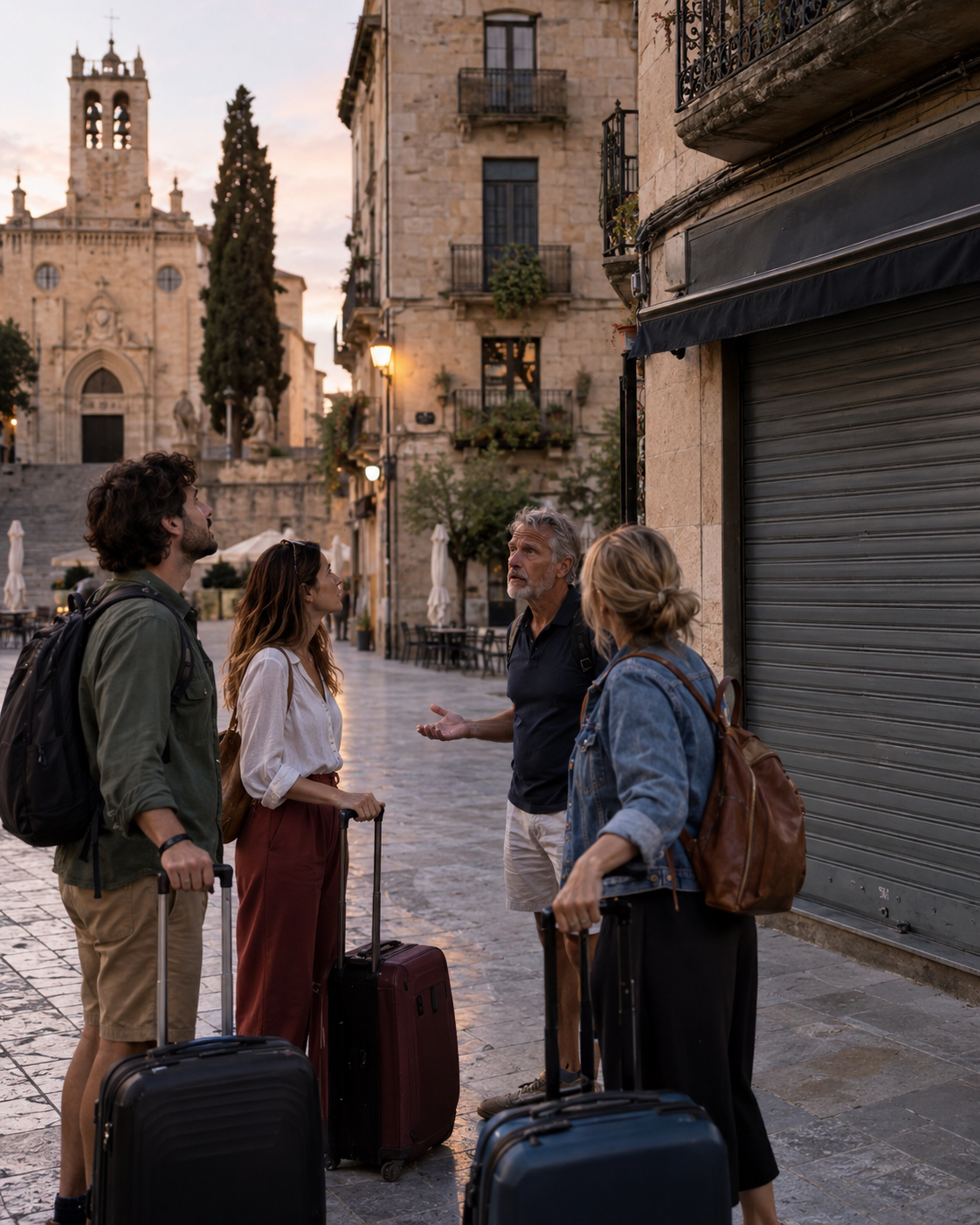
The short version is that much of Europe still keeps Sunday as a day of rest, and in many countries this is not merely custom but law. Germany, for instance, has long had federal legislation that requires most shops to close on Sundays, a tradition rooted in a mix of religious observance and labor protection, the idea that people, including shop workers, deserve one guaranteed day off and that family and rest should take priority over commerce one day a week. It is a genuinely different set of values from the always-open, always-shopping rhythm many visitors are used to, and one that Germans on the whole are proud to defend rather than eager to loosen. Whatever you think of it, it is deeply held and firmly enforced, and it means the normal machinery of retail simply switches off.
Referendums in Switzerland have repeatedly asked voters whether they want Sunday shopping, and they have repeatedly said no, which tells you how genuinely the tradition is valued rather than merely tolerated.
This is worth dwelling on only briefly, because the point here is practical rather than philosophical. It is enough to know that the closures are deliberate and near-total for retail, not a fluke or a holiday you happened to hit, and that they recur every single Sunday. A traveler who understands this stops taking it personally and stops expecting the shops to open at two o’clock or five o’clock or at all, and instead plans around a reality that is not going to change for their convenience. There is no use waiting it out, since unlike the midday siesta closures of southern Europe, the Sunday shutdown does not lift in the late afternoon; the shops are simply shut for the day. The closed doors are a feature of the place, and the only real mistake is being caught unprepared by them. Locals do not experience the Sunday shutdown as a problem at all, because they have organized their week around it their whole lives, and the traveler who does the same slips neatly into that rhythm rather than crashing against it.
Which Countries Are Strictest
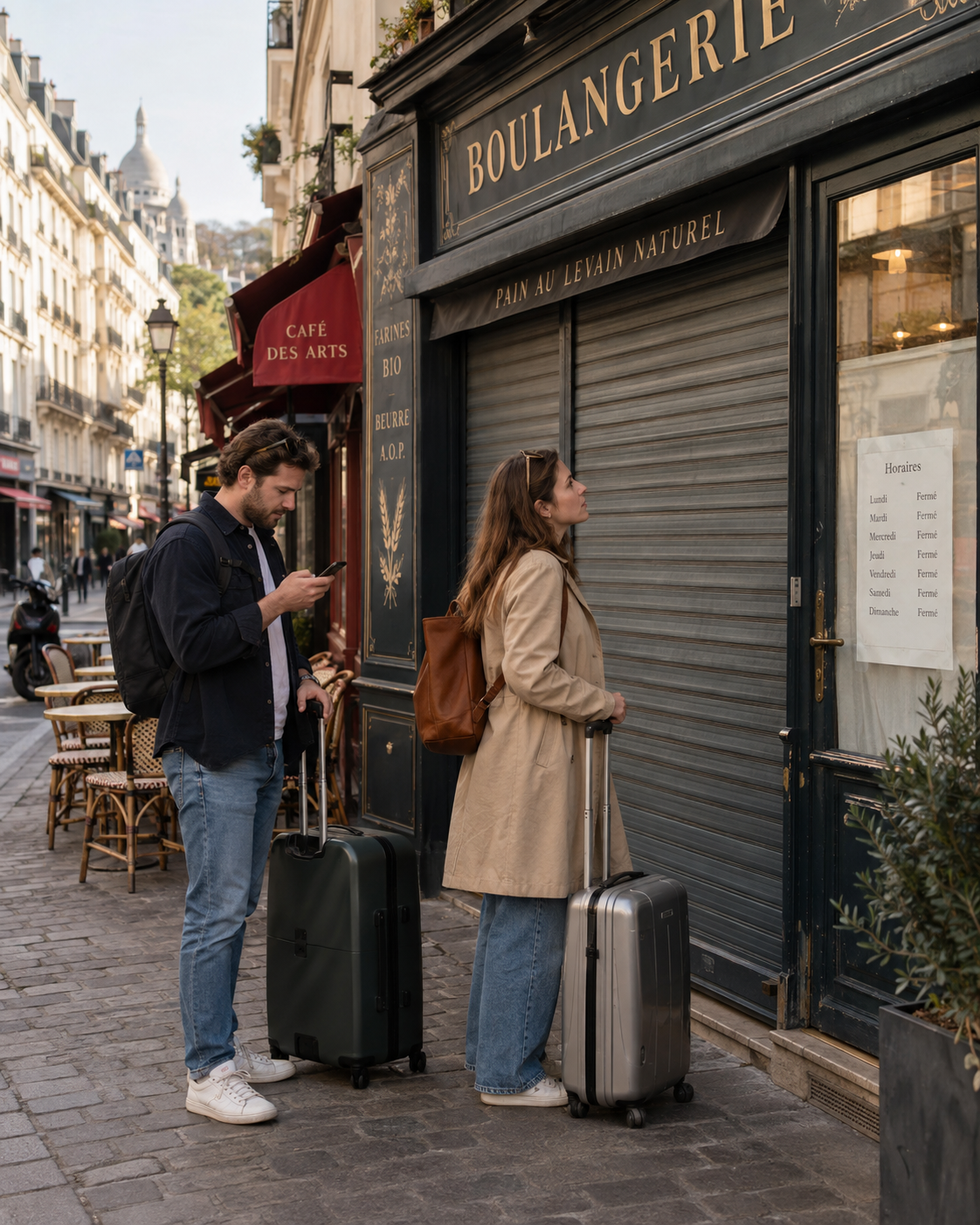
The severity of Sunday closing varies a great deal across Europe, and knowing roughly where you stand saves a lot of grief. The strictest by far are the German-speaking countries, Germany, Austria, and Switzerland, where the closures are enforced by law and near-total, with supermarkets and retail firmly shut from Saturday evening until Monday morning. Poland has joined them in recent years with one of the continent’s toughest Sunday trading bans, and the Nordic country of Norway keeps most stores closed too. In these places, a Sunday genuinely means a shopping shutdown.
Elsewhere it is softer and more variable. France, Italy, and Spain have relaxed their rules over the past decade or two, so while the old tradition of Sunday closing persists, you will find more open in big cities and especially in tourist zones, where special permissions often allow shops to trade.
Italy in particular tends to have an open supermarket somewhere even in small towns, and the tourist centers of cities like Paris, Florence, and Barcelona keep many shops running. If your trip keeps you in the heart of a major tourist city, you may barely notice the Sunday effect at all, whereas the same Sunday in a residential neighborhood or a small German town will feel like the place has been switched off. The rough rule to carry in your head is that the further north and the more German-speaking you go, the more total the Sunday shutdown, and the more Mediterranean and tourist-heavy the area, the more likely you are to find something open. It is not a perfect rule, and local exceptions abound, but as a first instinct for a new country it will steer you right far more often than not, and it tells you how much Saturday preparation a given destination demands.
What Actually Stays Open
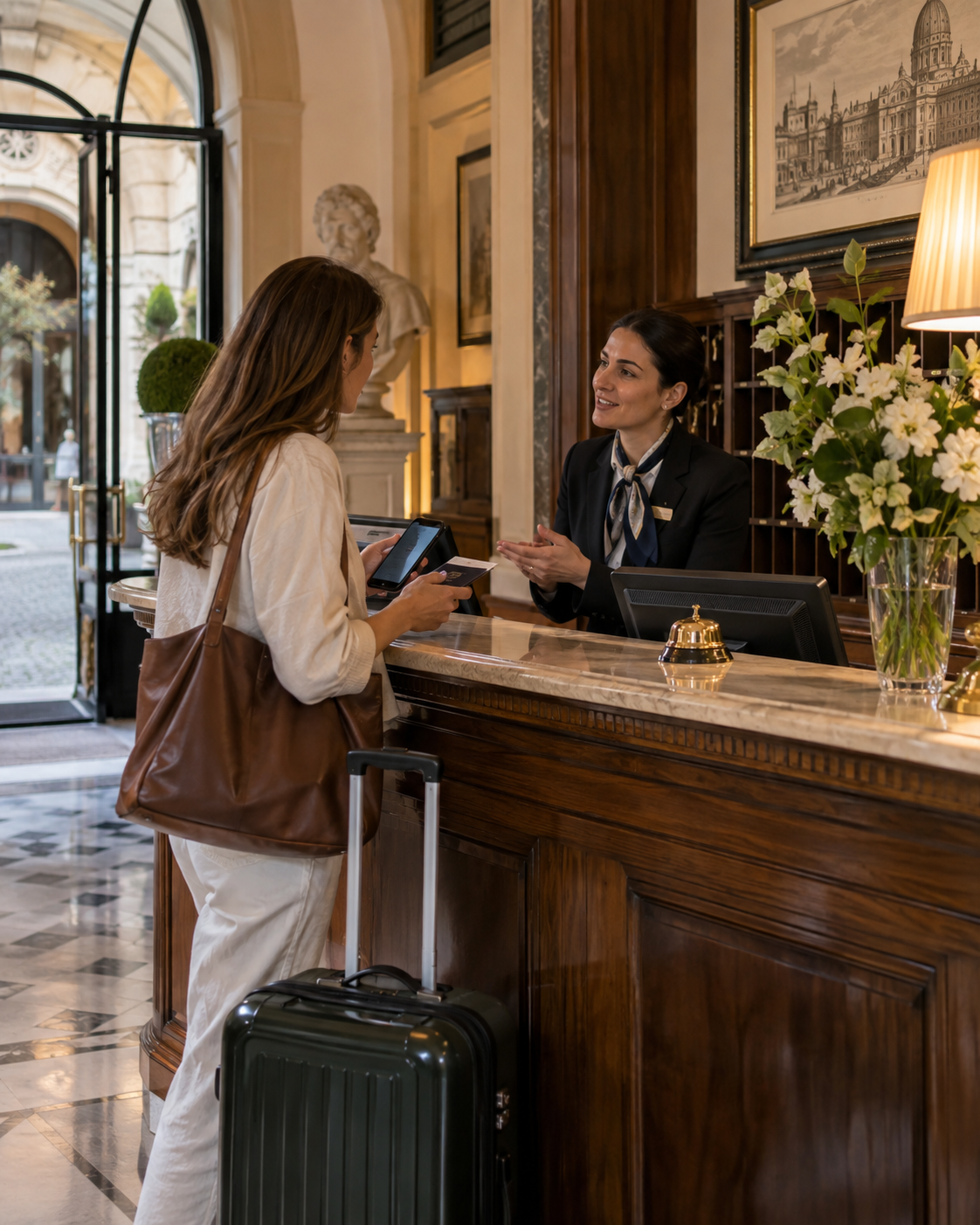
The closures are real but not absolute, and knowing what does stay open turns a Sunday from a dead loss into a perfectly good day. Crucially, the hospitality world keeps running: restaurants, cafes, and bars are generally open, often doing their best business of the week on a leisurely Sunday, so you will never go hungry or thirsty. Bakeries frequently open for at least part of the morning, a lifesaver for breakfast, and museums, galleries, churches, and tourist sights are open and often busy, since Sunday is a natural day for sightseeing. None of the things that make a trip enjoyable are actually shut.
A few practical lifelines stay open too, and they are worth knowing when you genuinely need something. Shops inside train stations and airports are typically exempt from the Sunday rules and keep trading, so a station is often the one place you can reliably buy food, drinks, and basics on a Sunday, a trick locals use routinely.
If you find yourself genuinely stuck for supplies, the nearest big railway station is almost always the answer, with its little supermarket, bakery, and pharmacy quietly open while the rest of the city sleeps. Petrol stations usually sell a small range of essentials, pharmacies operate on a rotating on-call basis for emergencies, and in some German cities you will find a late-night convenience shop, a Spati, quietly open. So even at its strictest, a European Sunday leaves you able to eat well, see the sights, and get genuine essentials in a pinch. The shutdown is aimed squarely at ordinary retail and shopping, not at the life of the city, which carries on much as usual, and often more pleasantly, since everyone else is at leisure too. It is only the ordinary shopping run that is off the table.
The Classic Sunday Disasters
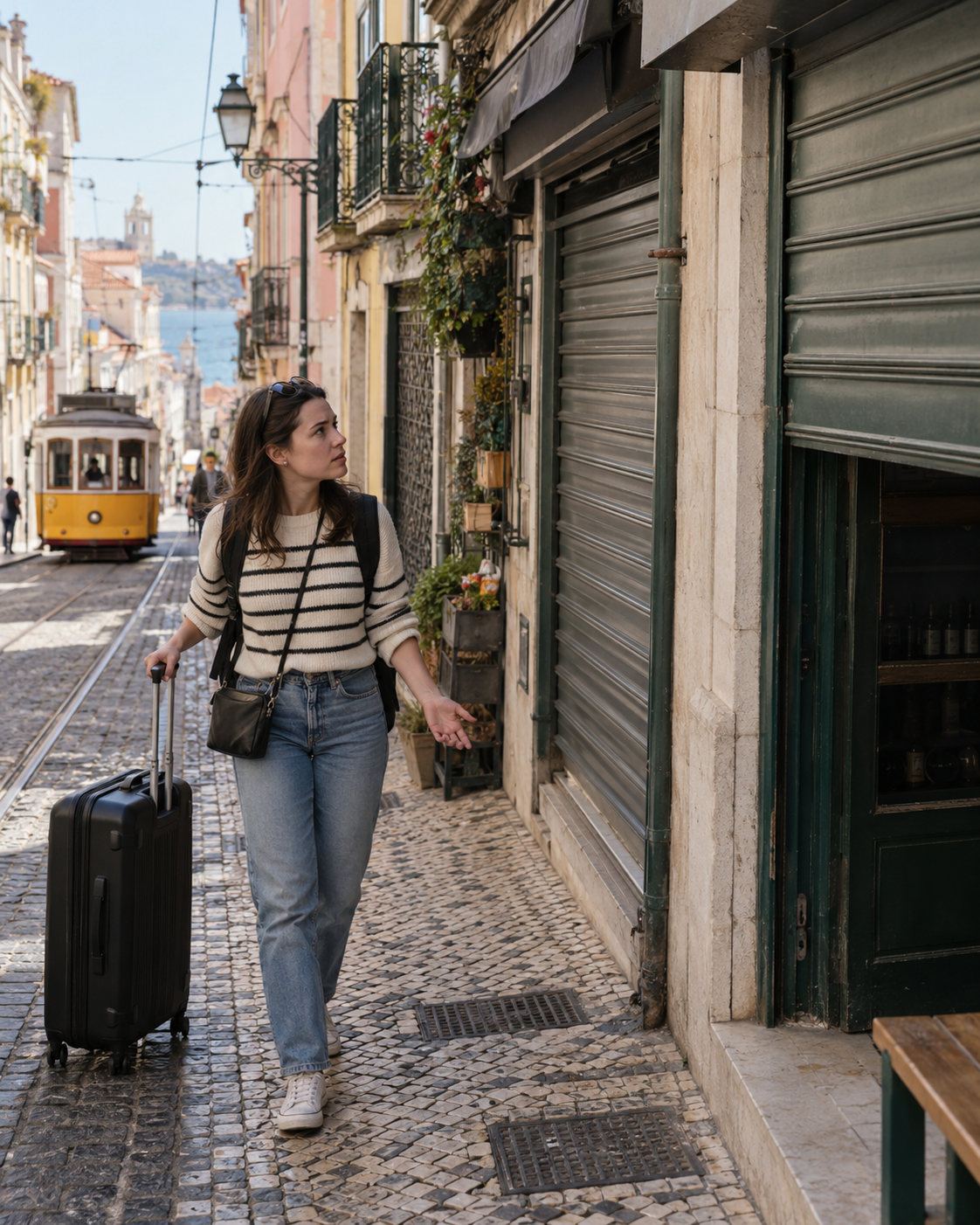
To see why this matters, it helps to run through the specific ways a Sunday arrival goes wrong, because they are remarkably predictable and every seasoned traveler has hit at least one. The most common is the phone: you land planning to buy a local SIM card to get yourself online and navigating, and discover every phone shop and electronics store is shut, leaving you stranded without data on your first day in an unfamiliar city. The second is the self-catering trap, arriving at a rental apartment you booked precisely so you could cook, only to find no supermarket open to fill the empty fridge, so your money-saving kitchen sits useless until Monday.
Then there are the small ones that add up. You forgot a phone charger, or run out of contact-lens solution, or the baby needs more diapers, or you simply wanted a bottle of wine and some snacks for the room, and every one of those ordinary errands hits the same locked door. At home these are five-minute problems solved at any hour; abroad, on a Sunday, they can quietly derail an afternoon as you wander from one closed shop to the next in disbelief. Travelers with a medical need can get a particular fright, discovering the pharmacy is closed, though here at least the on-call rotation offers a way through if you know to ask. None of these is a catastrophe, but each one turns the first hours of a trip, which should be full of excitement, into a low, grinding frustration of dead ends, and all of it traces back to the same simple failure to know that Sunday was coming. The fix, happily, is just as predictable as the problem.
The Fix
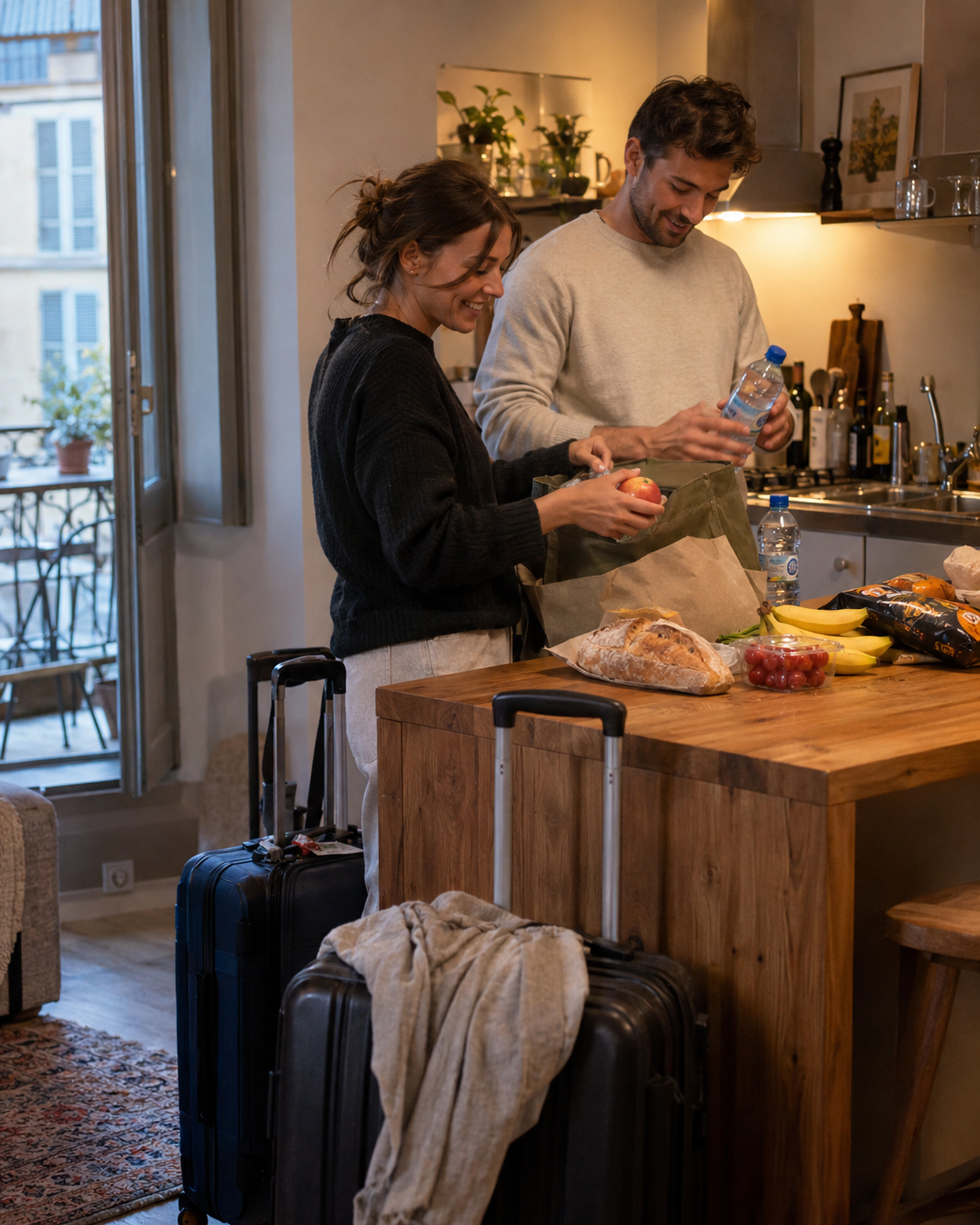
Here is the simple fix that turns the whole problem into a non-issue: treat Saturday as your setup day and Sunday as your enjoyment day, and never rely on a Sunday for errands. If you know you will need groceries, supplies, a SIM card, or anything from a shop, get it on Saturday, before the shutters come down, keeping in mind that supermarkets in the strict countries often close by early evening on Saturday and stay shut until Monday. Saturday is not a leisurely shopping day either in these places, so plan to do your provisioning in the afternoon rather than the evening, when you may find you have already missed the window. A little Saturday stocking-up removes almost the entire problem before it can start. Think of it as the price of admission to a relaxed Sunday, one modest shopping trip that buys you a whole day free of errands and dead ends, and it is worth building into your plans as deliberately as booking the hotel.
Half an hour in a supermarket on Saturday afternoon, laying in coffee, water, breakfast things, and whatever else you know you will want, is the single highest-value errand of the whole trip, and it is easy to forget precisely because at home the shops are always there.
The other half of the fix is about timing your arrival, and it is the part most people never think of. If your trip depends on shopping or setting things up the moment you land, buying a local SIM, provisioning a self-catering apartment, picking up gear, try not to arrive on a Sunday, and instead land on a Saturday or a weekday when you can get it all done. If you do arrive on a Sunday, lean on the things that are open: eat out rather than cooking, buy any true essentials at the train station, and use the day for the museums, walks, and long lunches that Sundays are perfect for, saving your errands for Monday morning.
Reframed that way, a Sunday arrival is not ruined but simply reorganized, with the shopping pushed back a day and the pleasure pulled forward. You lose nothing that matters and gain a gentle first day in a new place, which is a far better start than a frantic hunt for an open shop. Plan it that way and the Sunday shutdown stops being a trap and becomes what it is for the locals, simply the calm, closed, restful day at the center of the week.
Turning the Shutdown Into a Gift
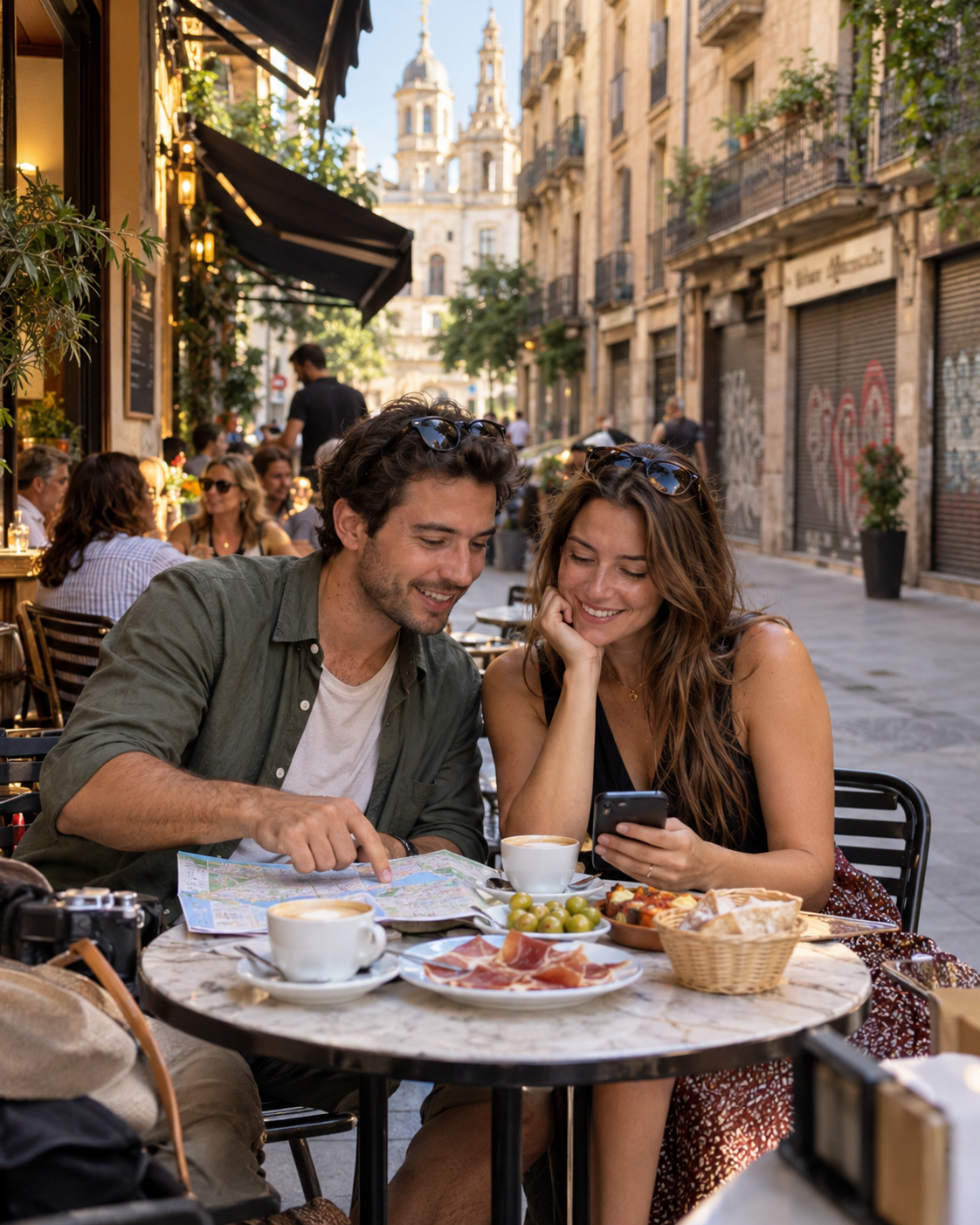
There is a final reframe worth making, because once you have stopped fighting the European Sunday, you can actually start enjoying it, and many seasoned travelers come to love it. A day when the shops are shut is a day with nothing to buy and nowhere to rush, which turns out to be a rather wonderful thing on a trip. The pressure to be productive, to tick things off, to make the most of every hour, quietly lifts when the option to shop is simply removed, and what is left is time. Instead of drifting through stores, you are gently pushed toward the things that actually make travel memorable, a long unhurried lunch, a walk through a park or an old town, an afternoon in a museum, a service at a great cathedral, or simply sitting at a cafe watching a city move at half its usual speed.
These are, after all, the things you came for, and shopping is rarely among them, however easily a free afternoon can be frittered away in stores at home.
The European Sunday, in other words, protects exactly the kind of slow, present, unhurried day that people take expensive trips hoping to find and then fill up with shopping anyway. Once you plan around it rather than against it, the closed shops stop being an obstacle and start being permission, an entire day where the culture itself insists you stop consuming and simply be somewhere. It is a strange luxury for a visitor from a place that never closes, to have the choice to shop simply taken away, and stranger still how quickly you come to appreciate it.
The traveler who arrives braced for it, having stocked up on Saturday, spends their Sunday exactly as the locals do, and often finds it the loveliest day of the trip. Freed from the low hum of errands and to-do lists that follows us even on holiday, a genuinely closed day forces the kind of rest that a trip is supposed to provide and so rarely does. The mistake was never the closures. The mistake was only in not knowing they were coming, and now you do. Arrive braced for the European Sunday, stocked up and expecting the quiet, and it changes from the thing that trips up your trip into one of the better days in it.

About the Author: Ruben, co-founder of Gamintraveler.com since 2014, is a seasoned traveler from Spain who has explored over 100 countries since 2009. Known for his extensive travel adventures across South America, Europe, the US, Australia, New Zealand, Asia, and Africa, Ruben combines his passion for adventurous yet sustainable living with his love for cycling, highlighted by his remarkable 5-month bicycle journey from Spain to Norway. He currently resides in Spain, where he continues sharing his travel experiences with his partner, Rachel, and their son, Han.