
Packing is one of the most stressful parts of any trip. No matter how often you travel, the temptation to overpack never quite goes away. What if it rains unexpectedly? What if you get invited to a formal dinner? What if your favorite jeans rip on day three? These little worries quickly turn into an overloaded suitcase filled with items you end up never using, making your journey heavier, costlier, and more exhausting than it needs to be.
The secret to stress-free travel lies in mastering the art of packing light without sacrificing comfort or style. Learning simple hacks that maximize space, minimize weight, and keep your belongings organized can transform how you travel. Imagine breezing through airports without baggage fees, never struggling to zip up your suitcase, and arriving at your destination with everything you need, neatly arranged and accessible.
In this blog post, you’ll discover 17 genius packing hacks that every traveler needs to know. Whether you’re heading on a weekend city break, a month-long digital nomad adventure, or an overseas work trip, these tips will save you space, time, and money while making you feel like the most organized traveler in any airport.
Read Here European Things that terrify Americans and American Habits that make Europeans Cringe
Read here how to pack for Europe and Best eSIM for Europe
BOOK YOUR TRAVEL INSURANCE
Two of our favorite travel insurance: Heymondo Vs Safetwing cheapest travel Insurance. You can get for $135 USD your Heymondo Travel Insurance with Heymondo discount code valid for 90 days. Read our full comparison of Genki vs Safetywing Travel Insurance Review and the comparison Heymondo vs Genki
Quick Easy Tips
Roll clothes instead of folding to save space and reduce wrinkles.
Pack solid toiletries like shampoo bars to avoid liquid restrictions and leaks.
Use packing cubes to categorize and compress items efficiently.
Choose dual-purpose clothing items, such as leggings that double as workout pants and sleepwear.
Wear your bulkiest shoes and layers on the flight to free up suitcase space.
The controversial truth is that most travelers overpack because they are afraid of inconvenience, not because they actually need more clothing. Extra shoes, backup outfits, multiple jackets, and “just in case” items often spend the entire trip untouched.
Another uncomfortable reality is that people frequently pack for fantasy versions of themselves. They bring workout clothes they never use, formal outfits for restaurants they never visit, and multiple accessories for situations that never happen.
There is also a tendency to treat repeating clothes as embarrassing. In reality, almost nobody notices, especially when you are traveling. Rewearing neutral pieces and doing a small amount of laundry can eliminate a surprising amount of luggage.
Packing light also challenges the idea that being prepared means carrying everything. Good preparation can mean knowing where you can buy toiletries, understanding the weather, checking laundry options, and choosing versatile clothing.
The real controversy is that packing light is not about sacrifice. It is usually about admitting that many of the things we pack are there to make us feel prepared rather than because they are genuinely useful.
How to Pack Light for Any Trip
1. Choose the Right Bag
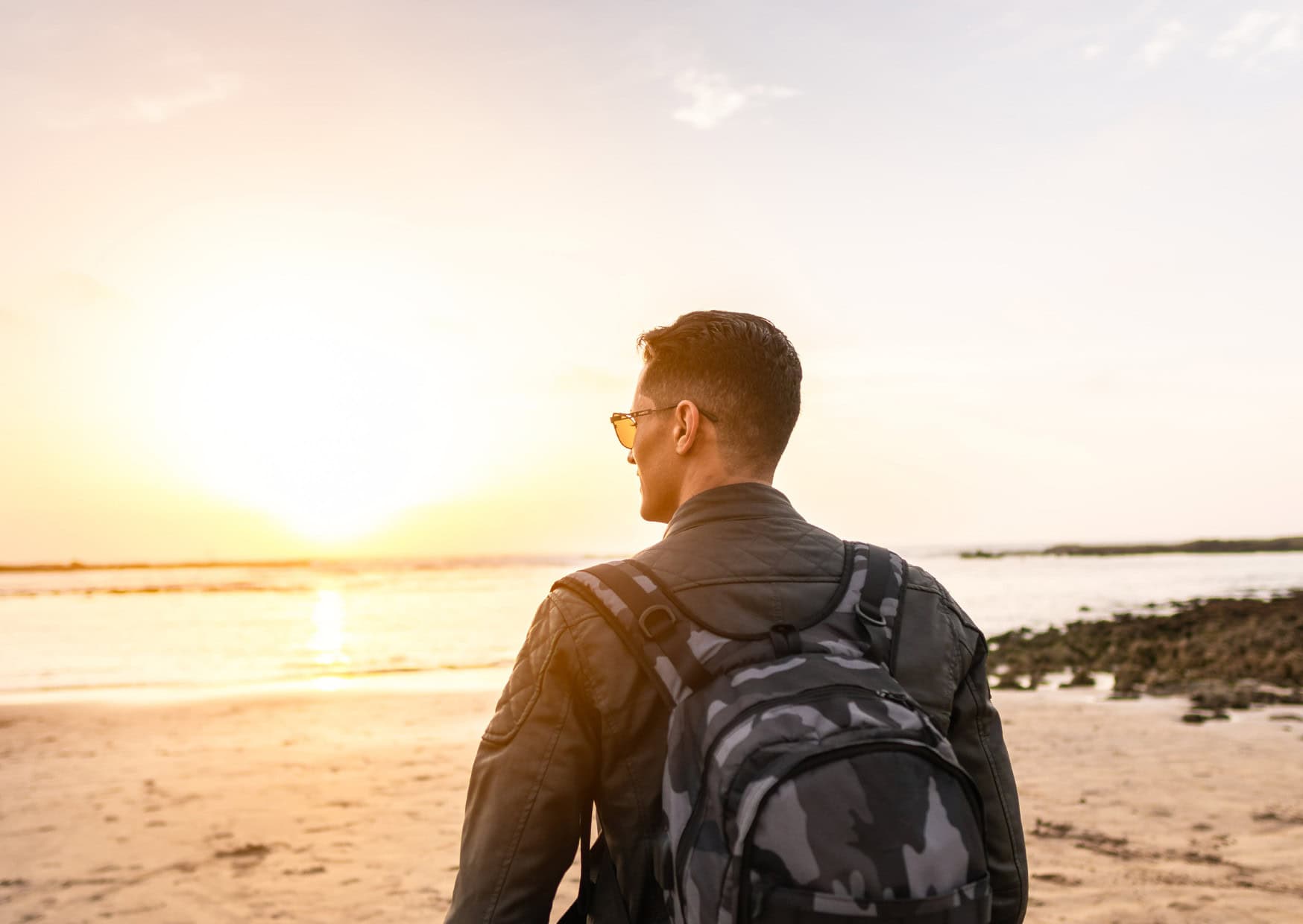
Stick to a Carry-On: A carry-on forces you to pack only the essentials and saves you from baggage fees and waiting at baggage claim.
Backpacks for Flexibility: For trips involving multiple stops or walking, a travel backpack is more versatile than a rolling suitcase.
Pro Tips:
Invest in a lightweight bag with compartments to keep items organized.
Use a compression bag or packing cubes to maximize space.
2. Create a Packing Checklist
A checklist ensures you don’t overpack or forget essentials.
Divide it into categories like clothes, toiletries, electronics, and documents.
Pro Tips:
Stick to the rule: “If it’s not on the list, it doesn’t go.”
Download travel checklist apps like PackPoint to customize your packing based on destination and activities.
3. Follow the 1-2-3-4 Rule for Clothing
For a week-long trip, pack:
1 jacket
2 pairs of shoes
3 pairs of pants or skirts
4 tops
This mix-and-match approach works for most trips and prevents overpacking.
Pro Tips:
Choose neutral-colored clothing to create multiple outfits from fewer pieces.
Layer instead of packing bulky items—a light jacket with a sweater underneath is better than a heavy coat.
4. Roll Your Clothes, Don’t Fold Them
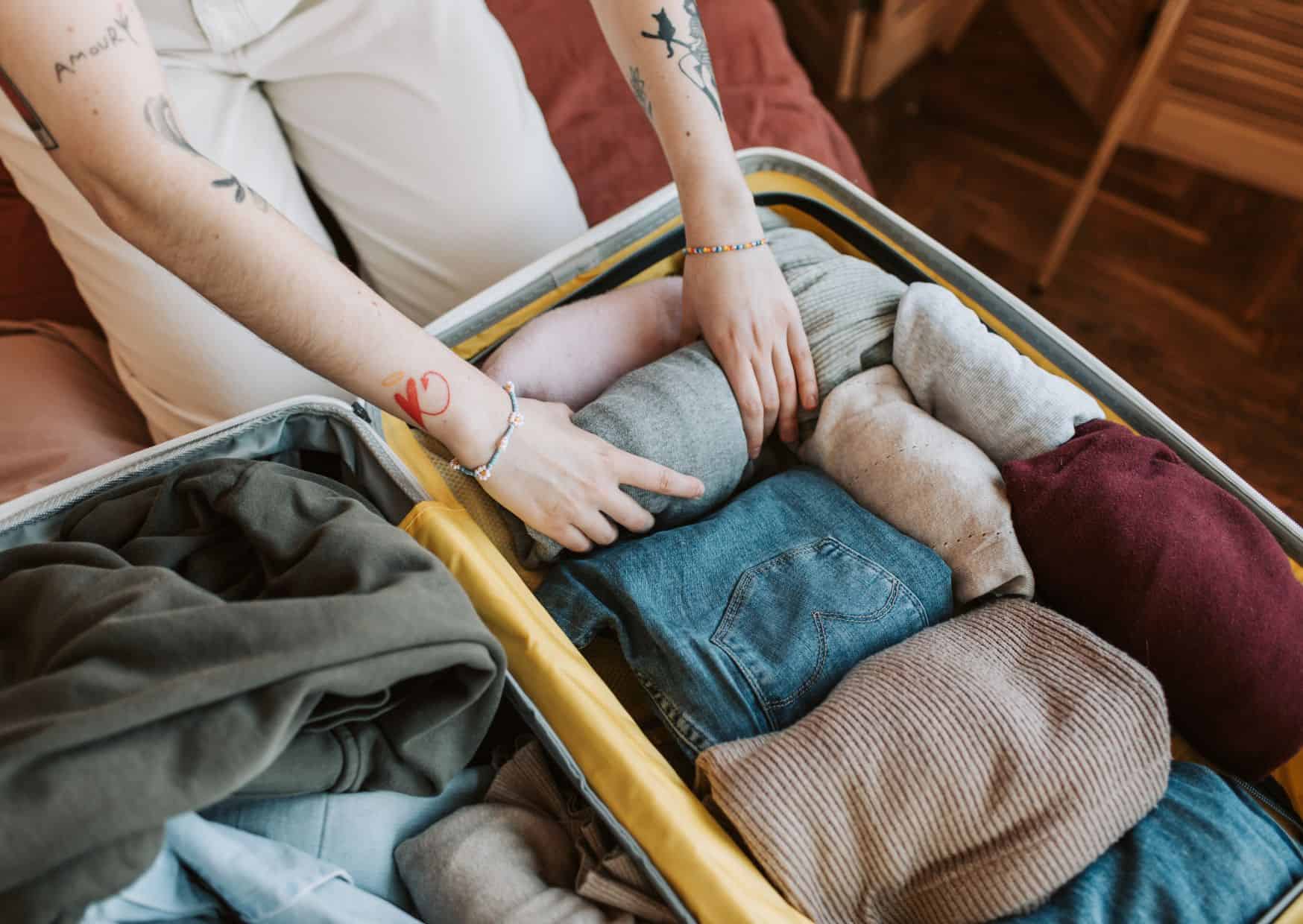
Rolling saves space and minimizes wrinkles.
Stack similar items (like t-shirts or pants), roll them tightly, and place them in your suitcase.
Pro Tips:
Use packing cubes to group and organize rolled clothes by category.
For wrinkle-prone items, place a dry cleaning bag over them before rolling.
5. Choose Multi-Use Items
Scarves: Use as a blanket, cover-up, or accessory.
Convertible clothing: Dresses that double as skirts or pants that zip off into shorts.
Solid toiletries: Swap liquid shampoo and soap for solid bars to save space and avoid spills.
6. Wear Your Bulkiest Items on the Plane
Save suitcase space by wearing your heaviest shoes, jacket, or sweater while traveling.
You can always remove layers once on board.
7. Pack Toiletries Smartly
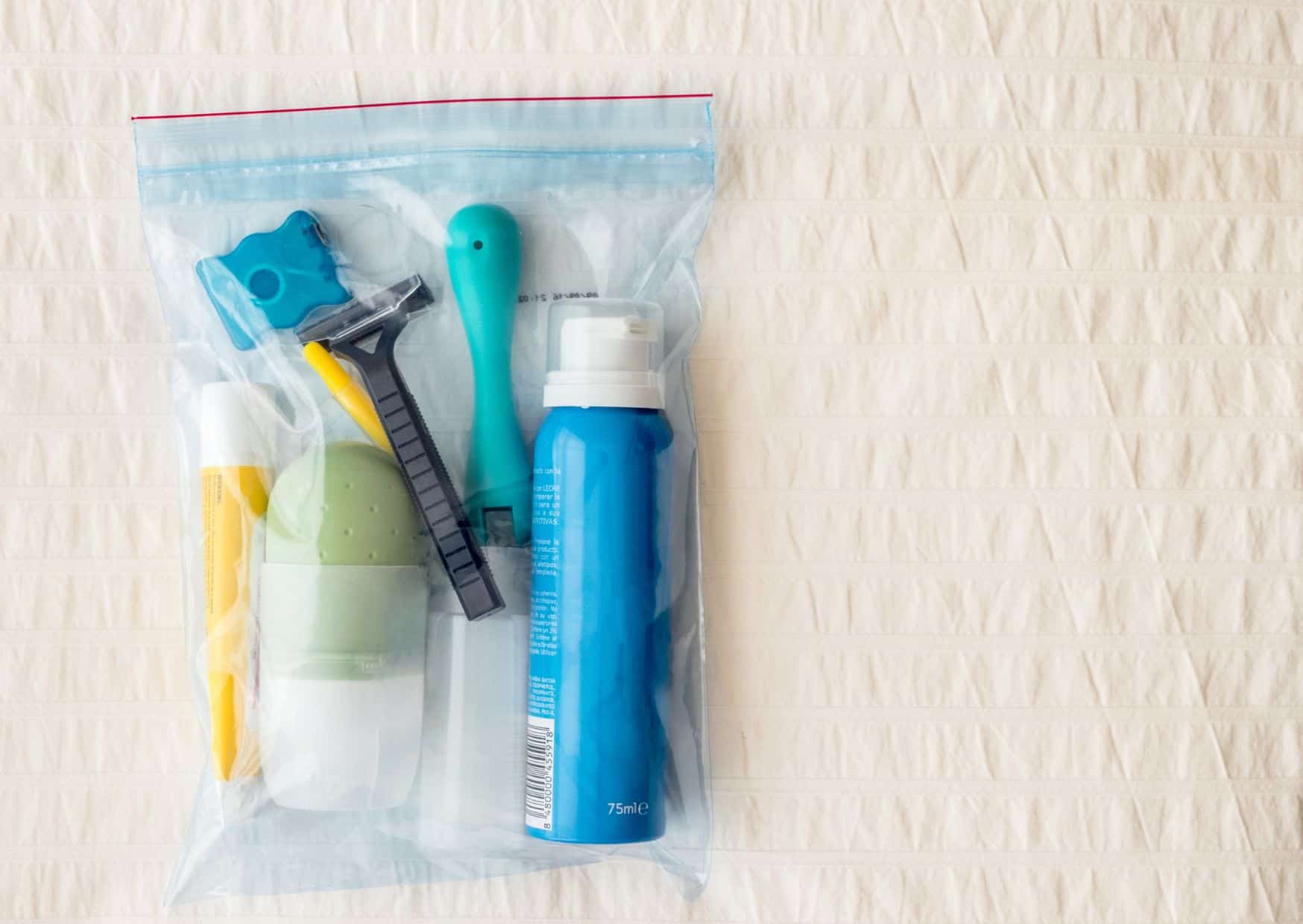
Use travel-sized bottles or purchase items at your destination.
Opt for multi-use products (e.g., moisturizer with SPF or a combined shampoo/body wash).
Place liquids in a quart-sized ziplock bag to comply with airport security rules.
Pro Tips:
Bring a foldable toothbrush and disposable razor to save space.
Use contact lens cases for small amounts of products like lotion or foundation.
8. Limit Shoes to Two Pairs
Pack one comfortable pair for walking and one versatile pair for dressier occasions.
If necessary, wear your bulkier shoes during transit.
9. Use Packing Cubes and Compression Bags
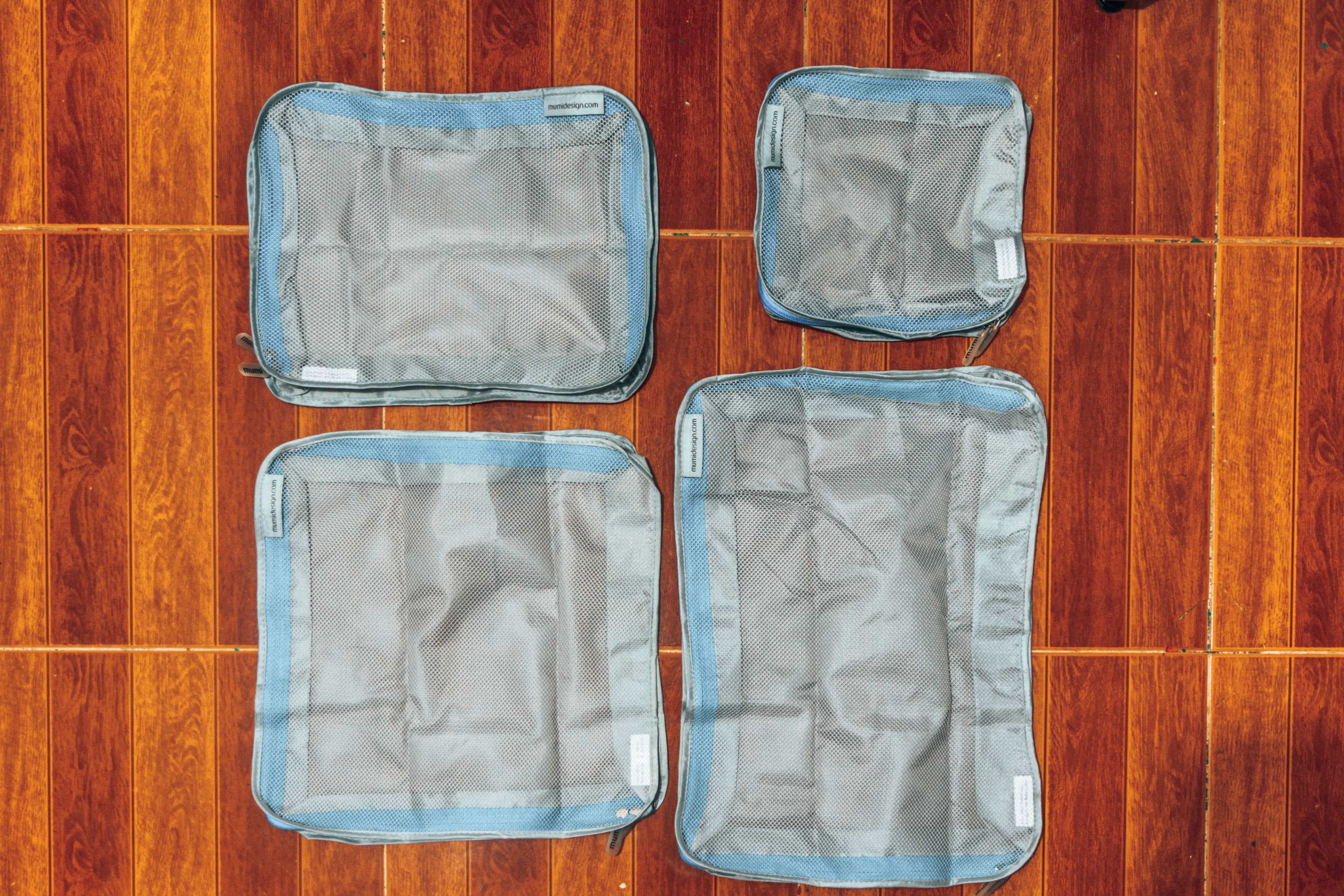
Packing cubes keep items organized and easy to access.
Compression bags are ideal for bulkier items like jackets or sweaters, saving tons of space.
10. Pack Dual-Purpose Accessories
A sarong can double as a beach towel, scarf, or picnic blanket.
A packable down jacket provides warmth and folds into a small pouch.
11. Minimize Electronics
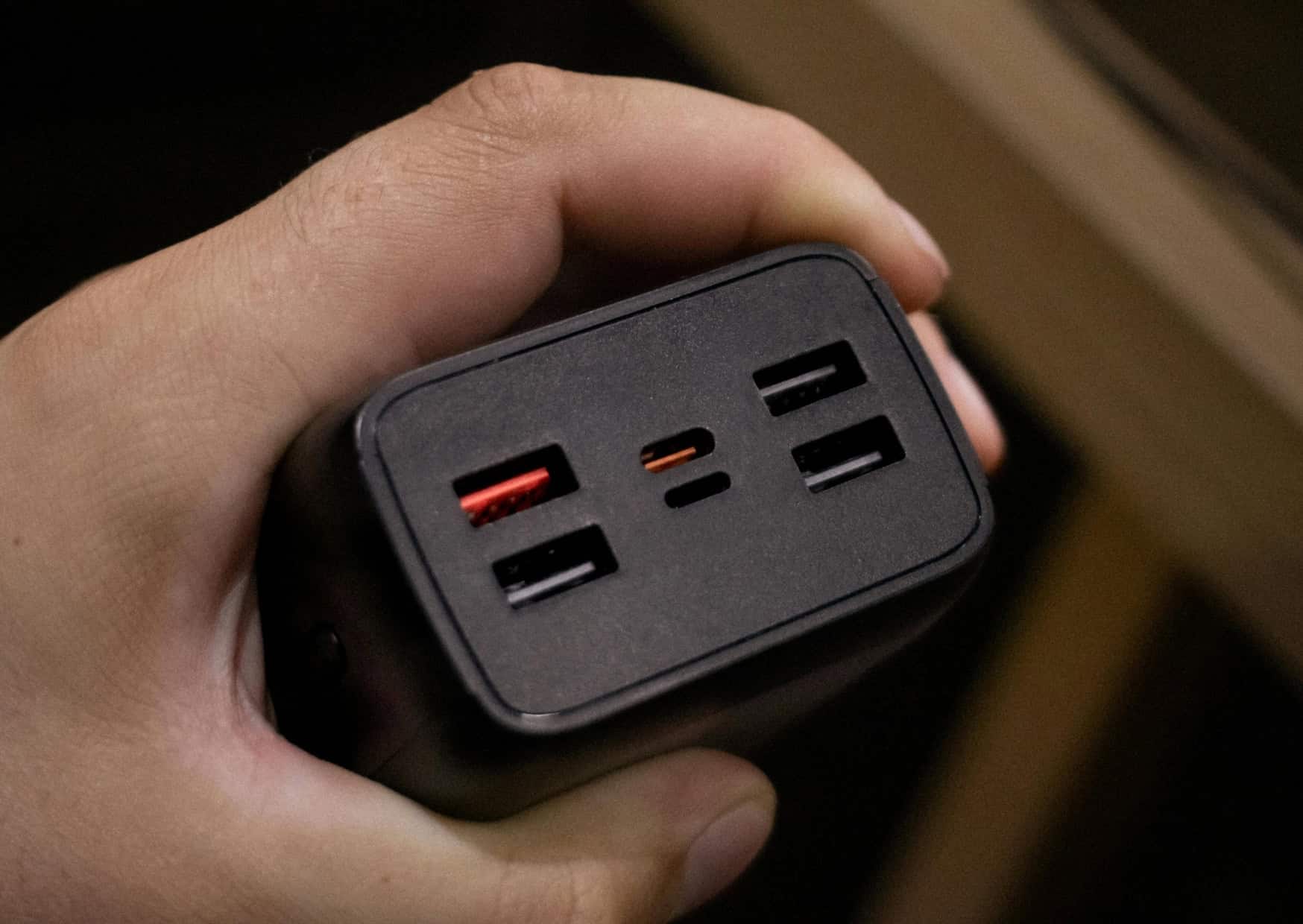
Only pack the essentials: phone, camera (if necessary), and a small charger or power bank.
Use a universal adapter to avoid packing multiple chargers.
Pro Tips:
Download apps like Google Maps offline or travel guides instead of carrying physical books or maps.
Carry a multi-USB charger to power multiple devices at once.
12. Utilize Dead Space
Stuff socks, underwear, or small accessories into shoes or the gaps between other items.
Place flat items like books or laptops at the bottom of your bag for stability.
13. Do Laundry on the Go
Pack a small packet of travel detergent or use hotel laundry services.
Choose lightweight, quick-drying fabrics that are easy to wash in a sink.
14. Carry a Personal Item Wisely
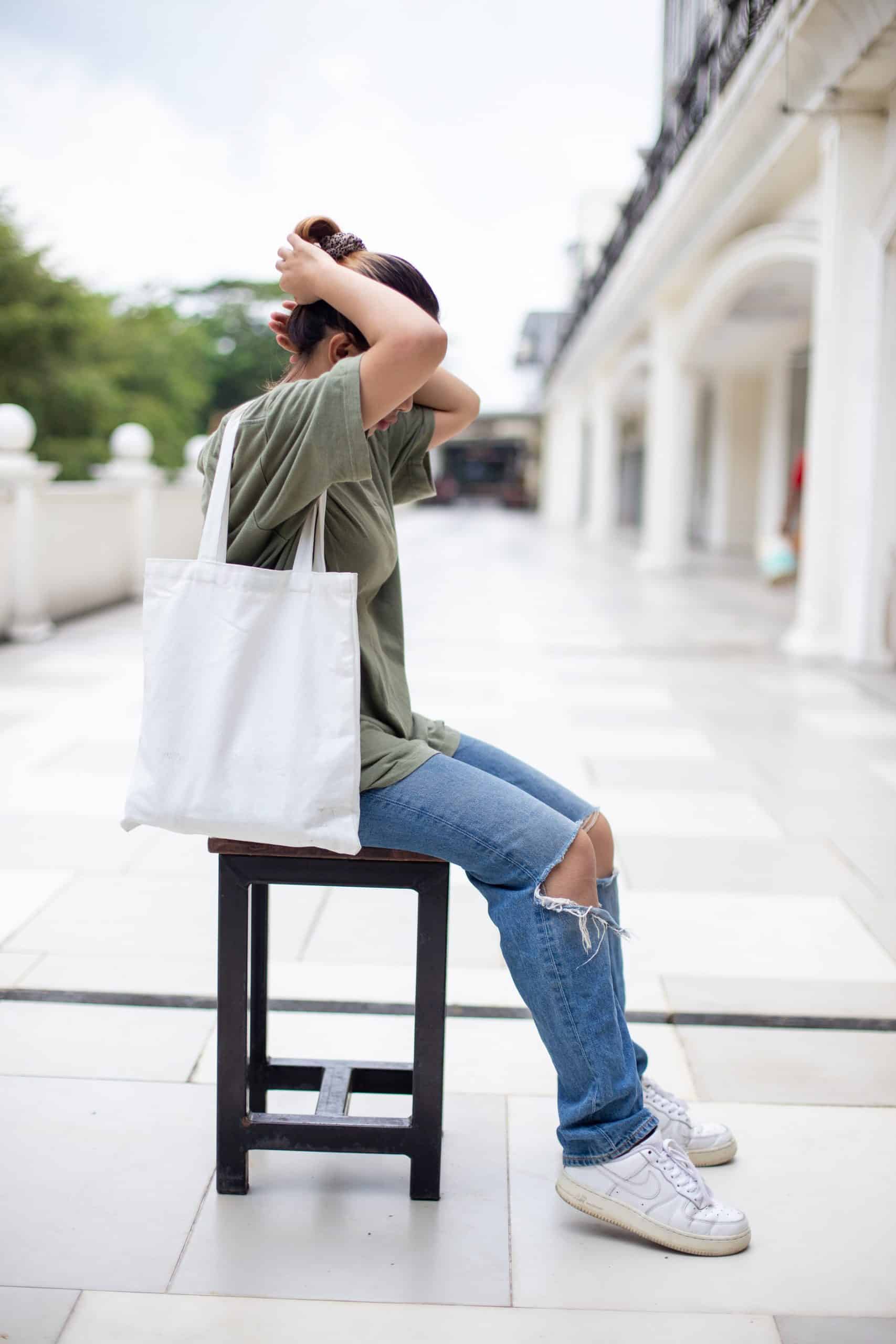
Most airlines allow a personal item like a backpack or tote bag. Use this to pack:
Important documents (passport, tickets, etc.)
Electronics
A change of clothes (just in case your bag is delayed).
15. Leave Room for Souvenirs
Don’t pack your bag to the brim—leave space for souvenirs or items you may buy during your trip.
Use a foldable tote bag or lightweight duffle for overflow items on the way home.
16. Avoid “What If” Packing
Many overpack because of “what if” scenarios (e.g., what if it rains?).
Instead, focus on versatile items that can handle multiple situations.
17. Keep Essentials in Your Carry-On
Always pack essentials like medications, chargers, a change of clothes, and toiletries in your carry-on in case your checked bag gets lost.
Why You Should Follow These Rules
You should pack light because it gives you control over your trip. A smaller bag is easier to carry, easier to store, and easier to manage when travel plans change unexpectedly.
Choosing versatile clothing can also simplify mornings. When most pieces work together, you spend less time planning outfits and more time enjoying the destination.
Limiting shoes is one of the fastest ways to reduce luggage weight. Shoes are bulky, heavy, and often packed in quantities that do not match how often they are actually worn.
You should also consider doing laundry during longer trips. Washing a few items once can be far easier than carrying twice as many clothes for the entire journey.
Most importantly, packing light reduces decision fatigue. Fewer items mean fewer choices, fewer things to lose, and less time repacking every time you move.
Why You Should Not Care So Much
You should not turn packing light into a competition. There is no prize for traveling with the smallest bag, and forcing everything into one tiny backpack can make a trip less comfortable.
You also should not ignore the needs of the destination. Cold weather, formal events, hiking, business meetings, or special equipment can all require more luggage.
There is no reason to feel guilty about checking a bag if it makes sense for your trip. Carry-on-only travel is useful, but it is not morally superior.
You should also avoid extreme minimalism if it means constantly buying things you already own. Packing light stops being efficient if you spend the trip replacing items you deliberately left behind.
Finally, comfort matters. If one extra sweater, pair of shoes, or personal item significantly improves your experience, bringing it may be worth the space.
Final Thoughts
Packing light is less about strict rules and more about understanding what you actually use when you travel.
The easiest way to improve is to look back at previous trips and notice what stayed untouched. Those are usually the first things that can disappear from the next packing list.
A good travel wardrobe is flexible rather than large. Neutral colors, repeatable layers, comfortable shoes, and pieces that work in multiple settings can take you surprisingly far.
The best packing system is also one you can repeat without stress. If it takes hours of complicated folding, weighing, and planning every time, it is probably too complicated.
In the end, packing light is about freedom. The less unnecessary stuff you carry, the easier it becomes to move, adapt, and focus on the trip itself.

About the Author: Ruben, co-founder of Gamintraveler.com since 2014, is a seasoned traveler from Spain who has explored over 100 countries since 2009. Known for his extensive travel adventures across South America, Europe, the US, Australia, New Zealand, Asia, and Africa, Ruben combines his passion for adventurous yet sustainable living with his love for cycling, highlighted by his remarkable 5-month bicycle journey from Spain to Norway. He currently resides in Spain, where he continues sharing his travel experiences with his partner, Rachel, and their son, Han.