
Egypt can feel overwhelming in the best possible way. The history, architecture, markets, food, traffic, and social energy are intense, and that means visitors often encounter cultural differences almost immediately.
Many tourist mistakes are not serious, but they can create awkward moments. Dressing too casually in conservative settings, photographing people without asking, showing impatience, or treating bargaining like a fight can make interactions more difficult than they need to be.
The easiest way to travel well in Egypt is to pay attention to context. What feels normal around a major tourist site may not feel appropriate inside a mosque, residential neighborhood, or family setting.
It also helps to remember that hospitality and formality can exist at the same time. People may be extremely welcoming while still expecting visitors to respect religious customs, personal boundaries, and local manners.
You do not need to memorize every rule before you arrive. Basic awareness, patience, and observation will take you a long way.
– Avoid These Common Mistakes Tourists Make in Egypt
– 6 Tourist Traps to Avoid in El Cairo Egypt And How to Avoid Them
– 56 Best Things To Know Before Visiting Egypt – Best Egypt Travel Tips For First Timers
BOOK YOUR TRAVEL INSURANCE
Two of our favorite travel insurance: Heymondo Vs Safetwing cheapest travel Insurance. You can get for $135 USD your Heymondo Travel Insurance with Heymondo discount code valid for 90 days. Read our full comparison of Genki vs Safetywing Travel Insurance Review and the comparison Heymondo vs Genki
Quick & Easy Tips
Don’t Dress Too Casually: Especially outside tourist areas, dress modestly. Long pants and covered shoulders are a sign of respect.
Avoid Public Displays of Affection: Holding hands may be okay in some areas, but kissing or hugging in public is frowned upon.
Don’t Use Your Left Hand: In Egyptian culture, the left hand is considered unclean. Use your right hand for eating and greetings.
Respect Prayer Times: Don’t interrupt someone praying or walk in front of them during prayer it’s considered very disrespectful.
Never Take Photos Without Permission: Always ask before photographing people, especially in rural or religious settings.
The controversial truth is that some tourists expect Egypt to function like a giant open-air museum. They come for the pyramids, temples, and ancient sites but forget that modern Egyptians are living ordinary lives around them.
Another uncomfortable reality is that American directness can sometimes feel too aggressive. Complaining loudly, demanding immediate service, or speaking impatiently can make a situation worse rather than solving it faster.
There is also a tendency to confuse bargaining with confrontation. Negotiation is common in many tourist markets, but treating every seller like an opponent can turn a normal exchange into an unpleasant one.
Tourists sometimes also overreact to conservative social norms. Modesty, religious customs, and gender expectations can feel unfamiliar without necessarily being directed personally at the visitor.
The real controversy is that successful travel requires some adaptation. You do not have to agree with every local custom, but ignoring them simply because they differ from your own is rarely a good strategy.
Things Not to Do in Egypt
1. Don’t Disrespect Local Customs
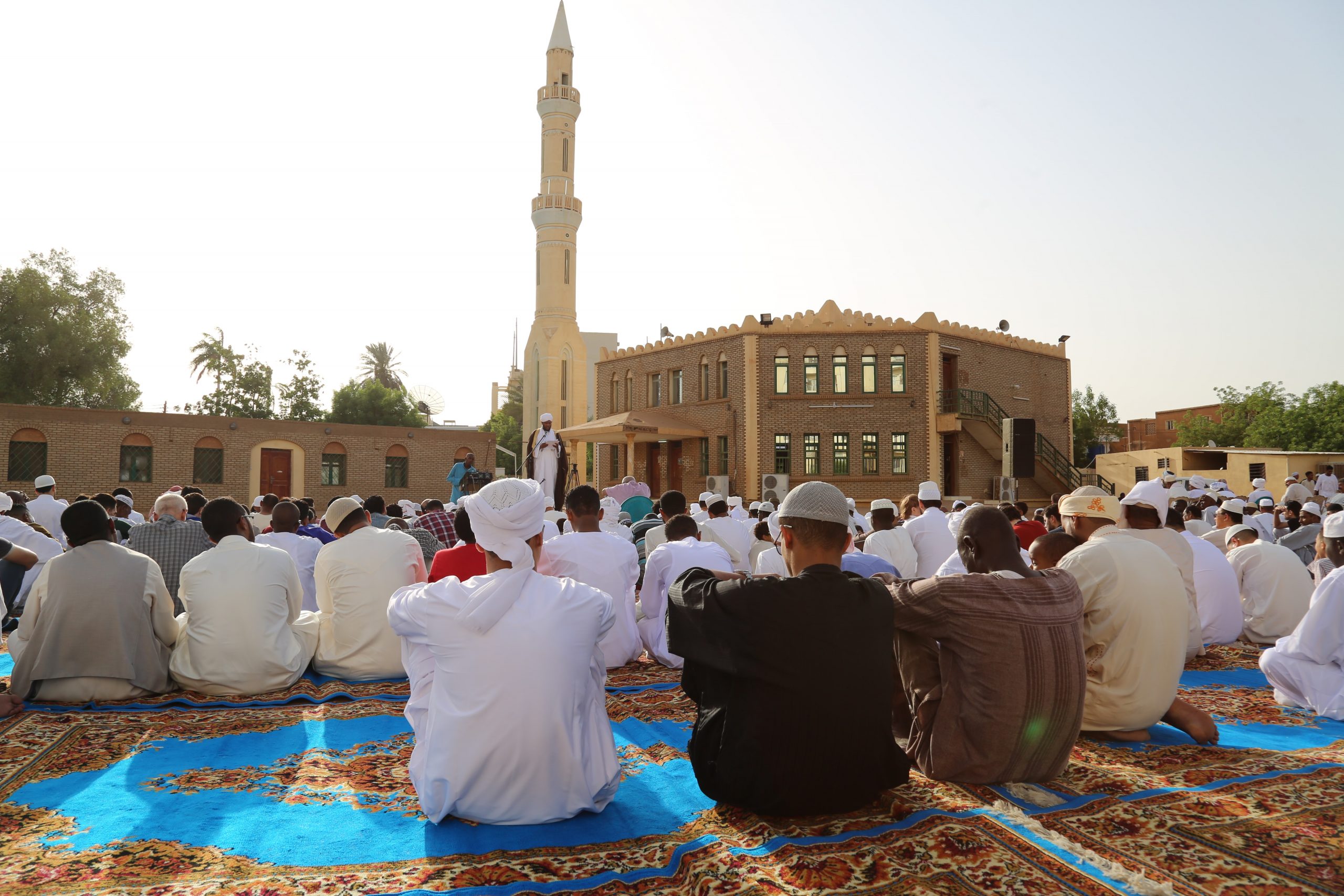
Egypt is a predominantly Muslim country with traditional values. Dress modestly, especially in rural areas, mosques, and religious sites. Women should avoid revealing clothing, and men should avoid wearing shorts in less touristy areas.
2. Don’t Drink Tap Water
The tap water in Egypt is not safe for drinking. Stick to bottled water and use it for brushing your teeth as well to avoid potential stomach issues.
3. Don’t Forget to Bargain
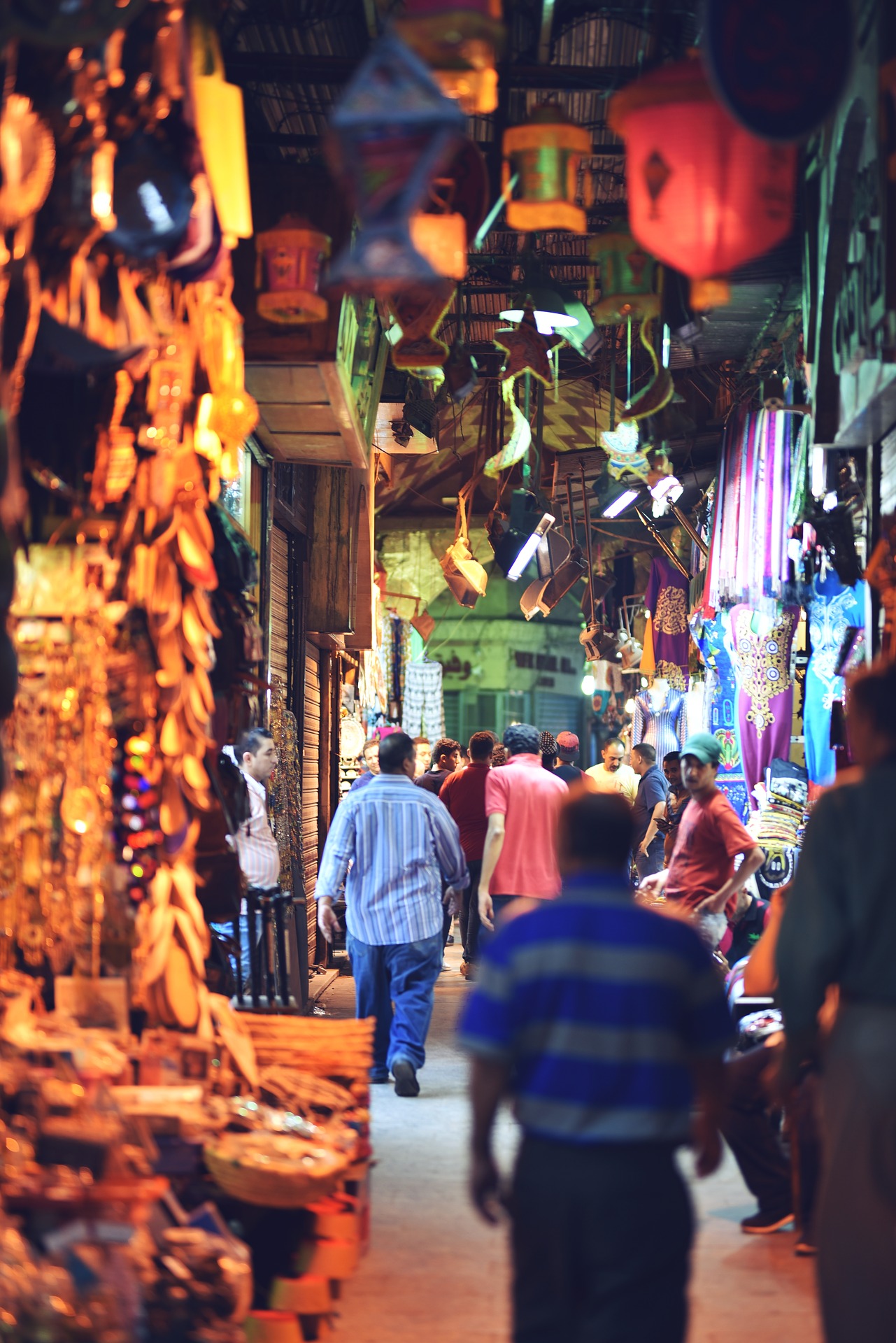
Haggling is expected in markets and with street vendors. Don’t accept the initial price; negotiate politely to get a fair deal.
4. Don’t Photograph Locals Without Permission
Taking photos of people, especially women, without asking first is considered disrespectful. Always ask for permission before snapping a photo.
5. Don’t Ignore Ramadan Customs
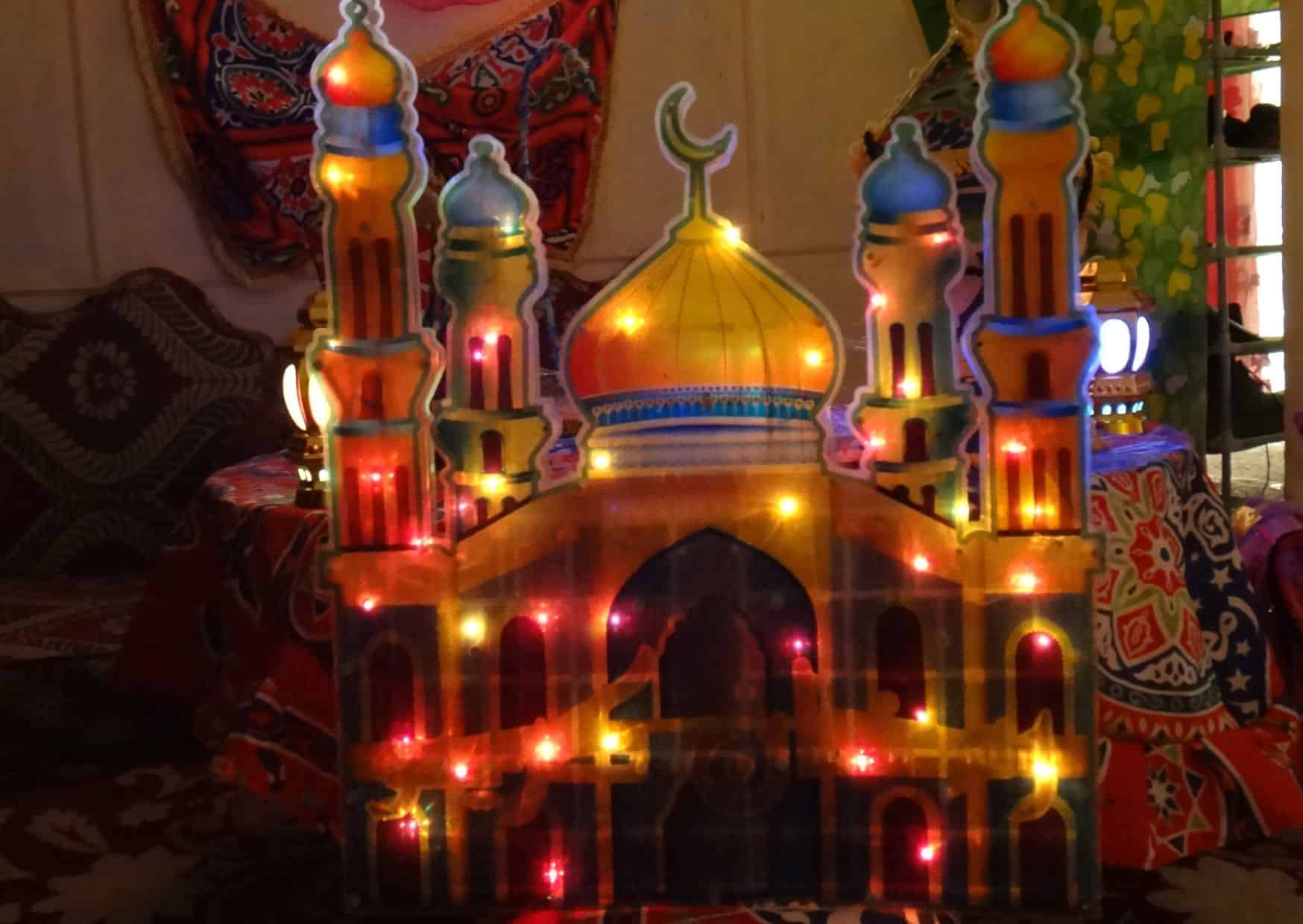
During Ramadan, Muslims fast from dawn to sunset. If visiting during this holy month, avoid eating, drinking, or smoking in public during daylight hours out of respect for those fasting.
6. Don’t Enter Mosques Without Proper Attire
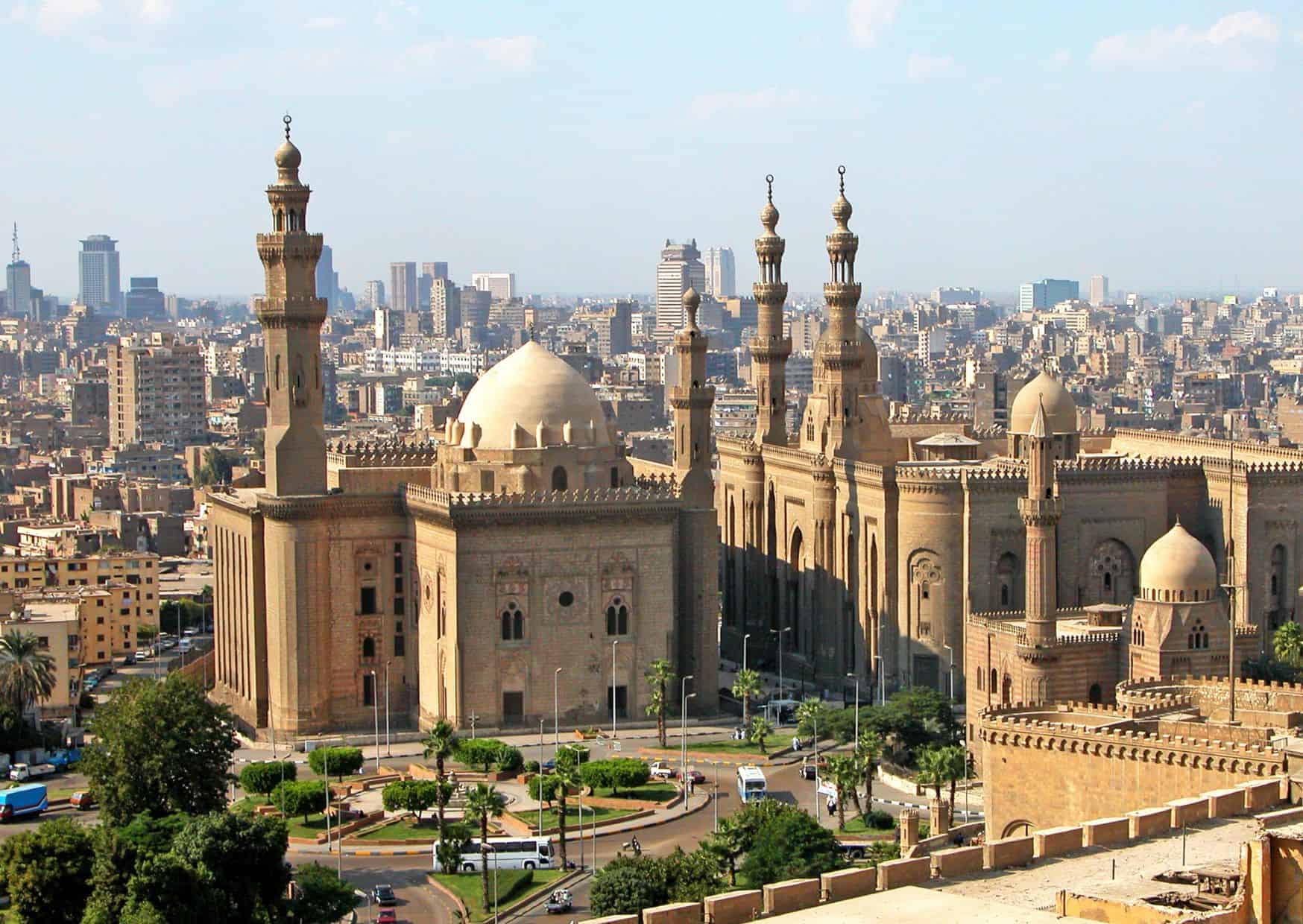
If you’re visiting a mosque, dress appropriately (long pants or skirts, covered shoulders) and remove your shoes before entering. Women may also be required to cover their hair.
7. Don’t Overlook the Heat
Egypt can get extremely hot, especially in the summer months. Wear light, breathable clothing, stay hydrated, and avoid midday sun exposure.
8. Don’t Expect Punctuality
Time in Egypt can be flexible, and schedules are often approximate. Be patient and adjust to a more relaxed pace.
9. Don’t Forget to Tip
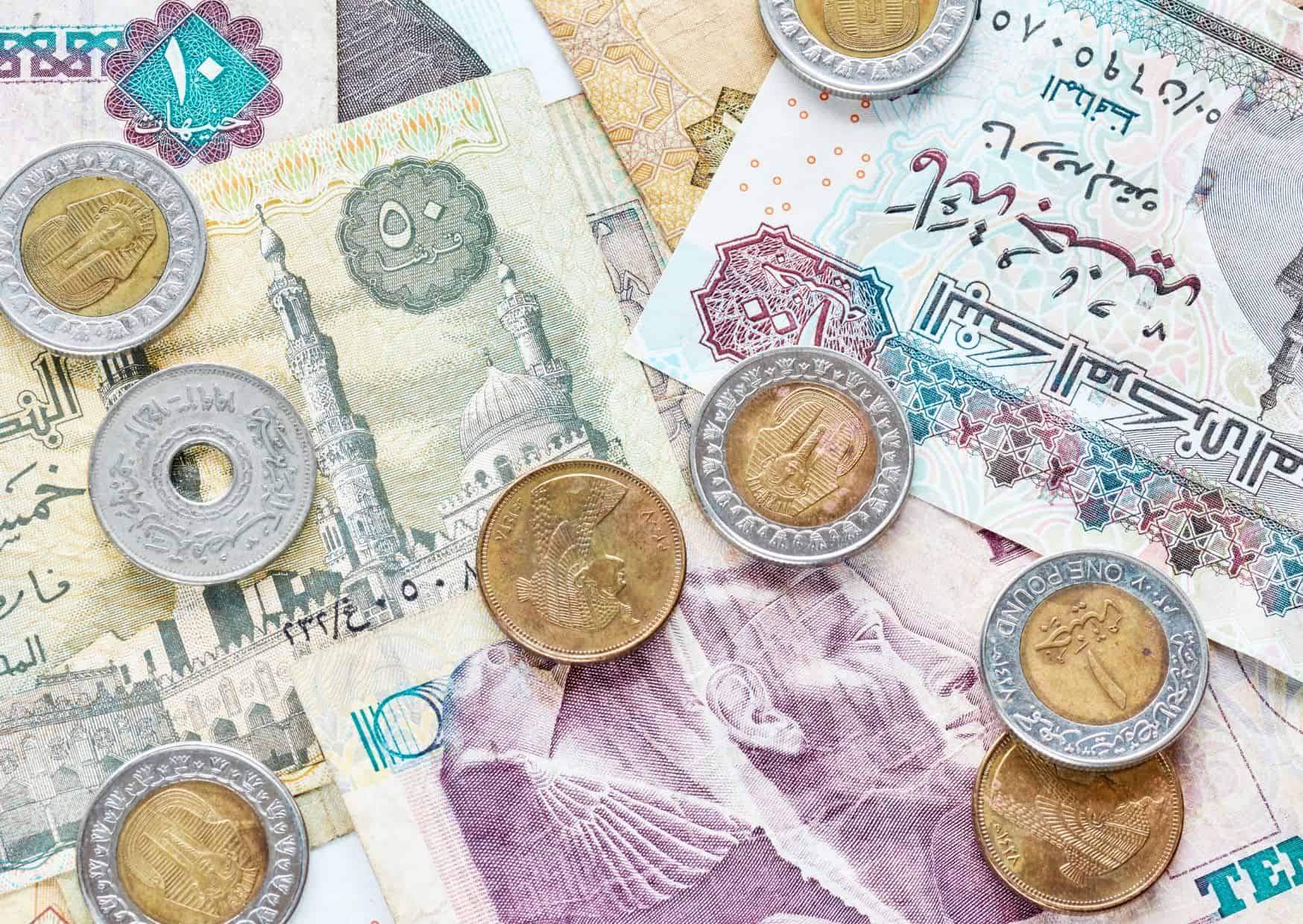
Tipping, or “baksheesh,” is a common practice in Egypt. Tip service staff, tour guides, and even restroom attendants. Small amounts of local currency are appreciated.
10. Don’t Disrespect Historical Sites
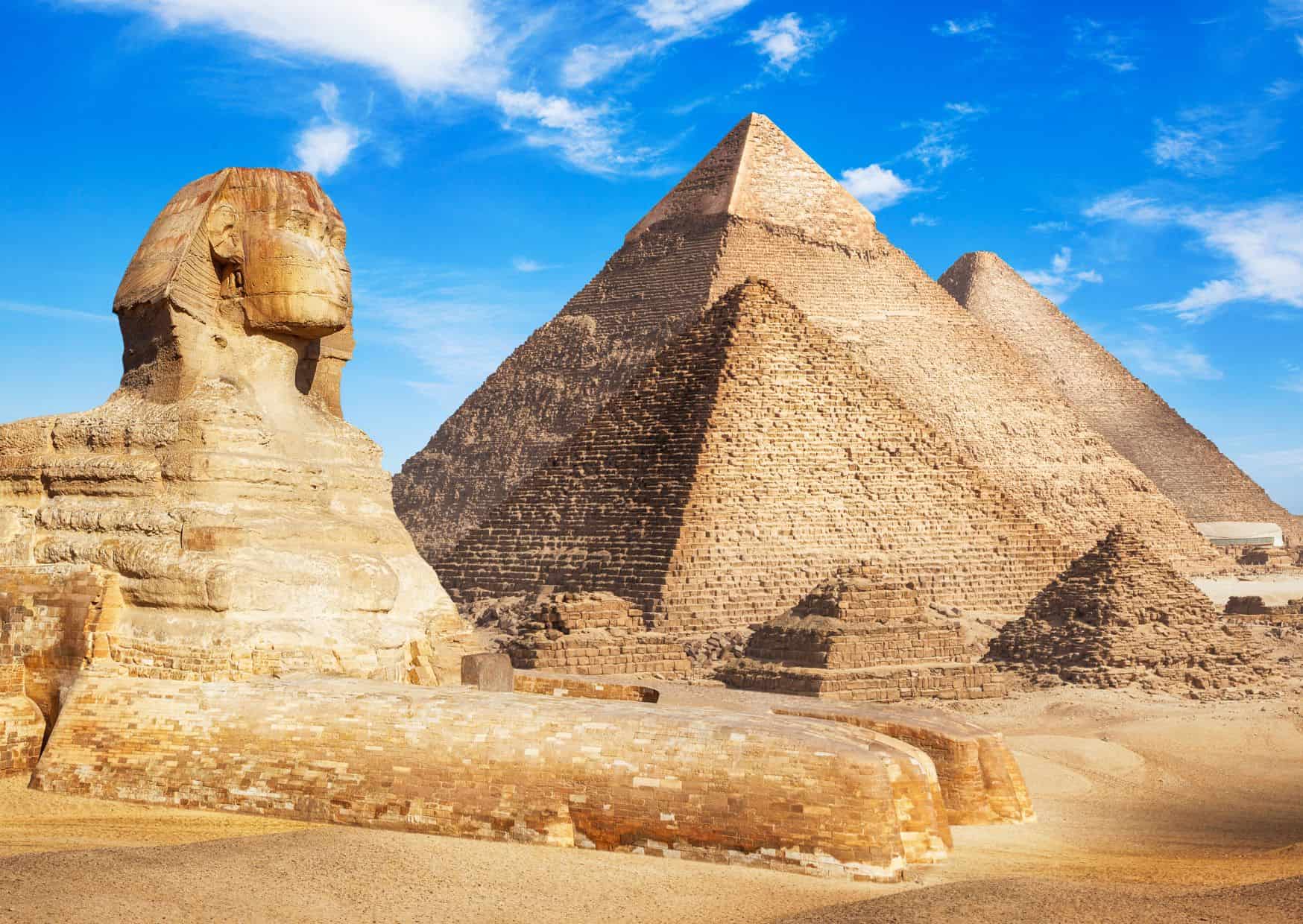
Avoid climbing on ancient monuments, defacing ruins, or touching artifacts. These actions are not only disrespectful but can also result in fines or legal action.
11. Don’t Rely Solely on Credit Cards
While major hotels and upscale restaurants accept credit cards, cash is preferred in many places, especially markets and smaller establishments. Carry Egyptian pounds (EGP) for convenience.
12. Don’t Assume Everyone Speaks English
While many Egyptians in tourist areas speak English, this is less common in rural regions. Learning basic Arabic phrases like “Shukran” (thank you) or “Salam” (hello) is helpful and appreciated.
13. Don’t Ignore Local Laws on Drugs
Drug laws in Egypt are strict, and penalties for possession or use of illegal substances are severe. Avoid any involvement with drugs during your visit.
14. Don’t Skip Tipping Tour Guides and Drivers
Tour guides and drivers often rely on tips as a significant portion of their income. A 10-15% tip is customary for good service.
15. Don’t Ride Camels or Horses Without Research
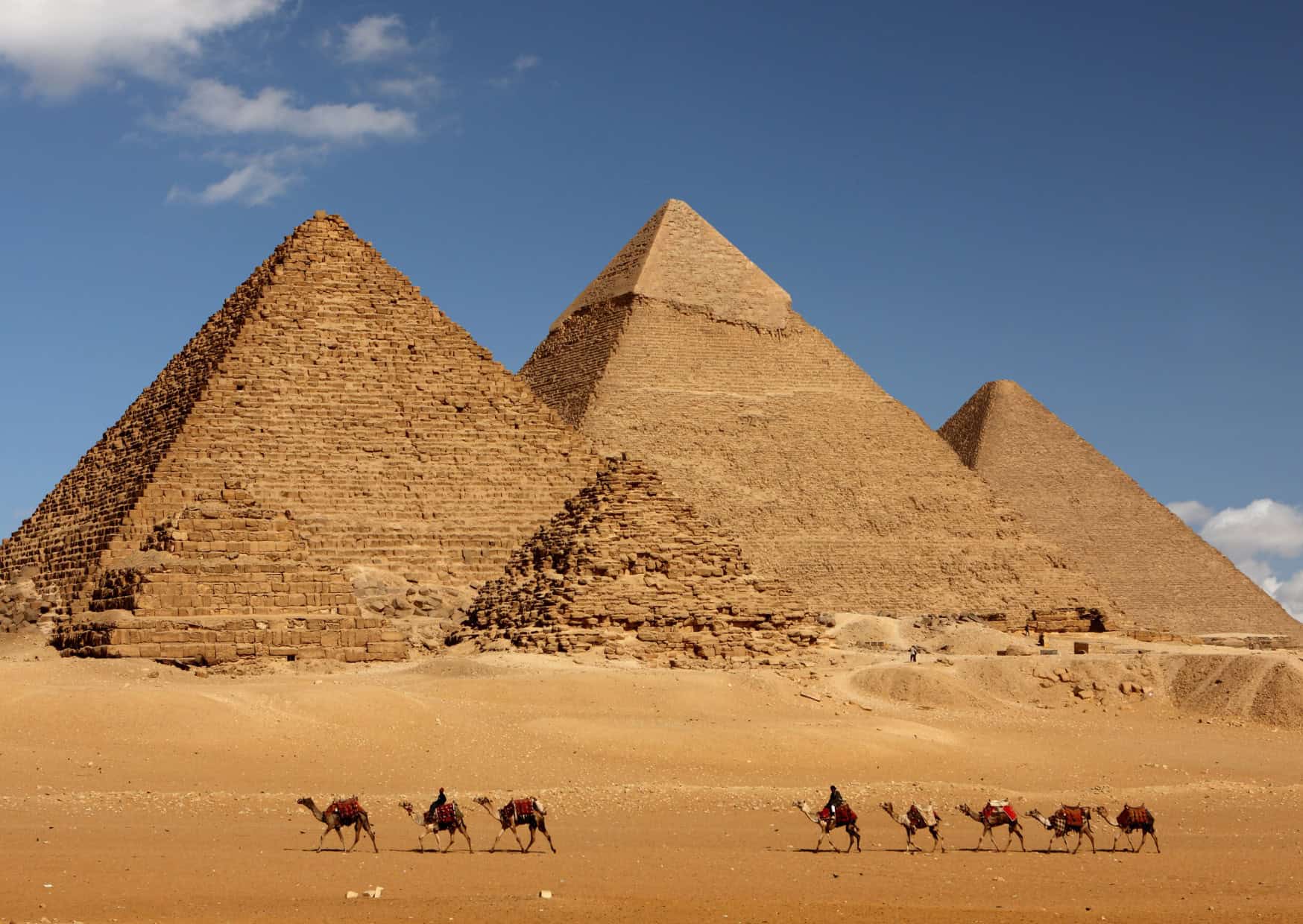
While camel and horse rides are popular near landmarks like the Pyramids of Giza, some operators mistreat their animals. Choose reputable providers to ensure animal welfare.
16. Don’t Forget to Dress for Religious Sites

If visiting Christian churches or Islamic mosques, dress modestly. Women should carry a scarf to cover their heads if needed, and everyone should wear clothing that covers shoulders and knees.
17. Don’t Underestimate the Traffic
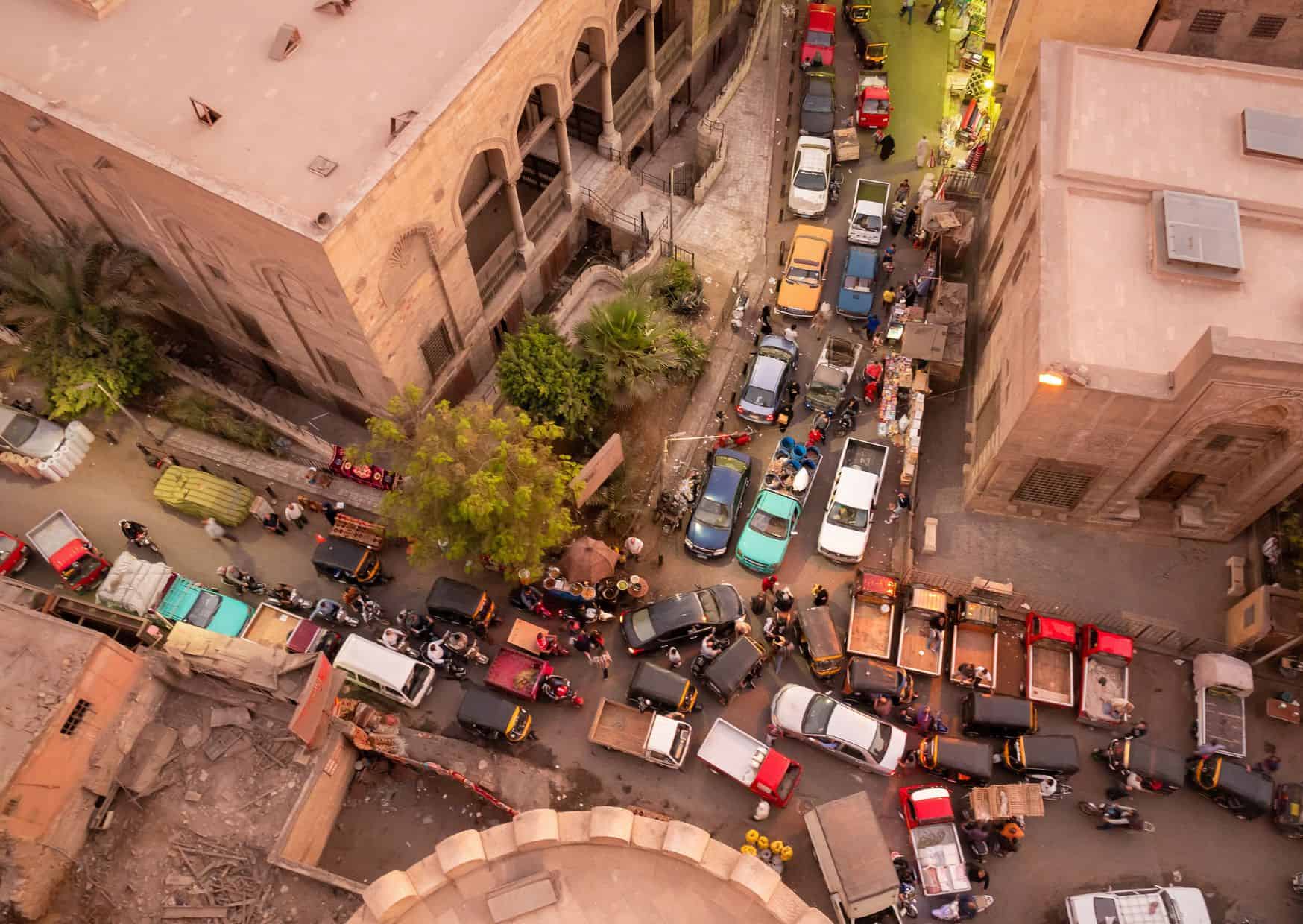
Traffic in Egyptian cities like Cairo can be chaotic. Avoid driving unless you’re familiar with local traffic norms and instead rely on taxis or ride-hailing apps like Uber.
18. Don’t Be Afraid to Decline Offers
Vendors and touts can be persistent, especially in tourist areas. Politely decline unwanted offers or services with a firm “La, shukran” (No, thank you).
19. Don’t Forget to Respect the Call to Prayer
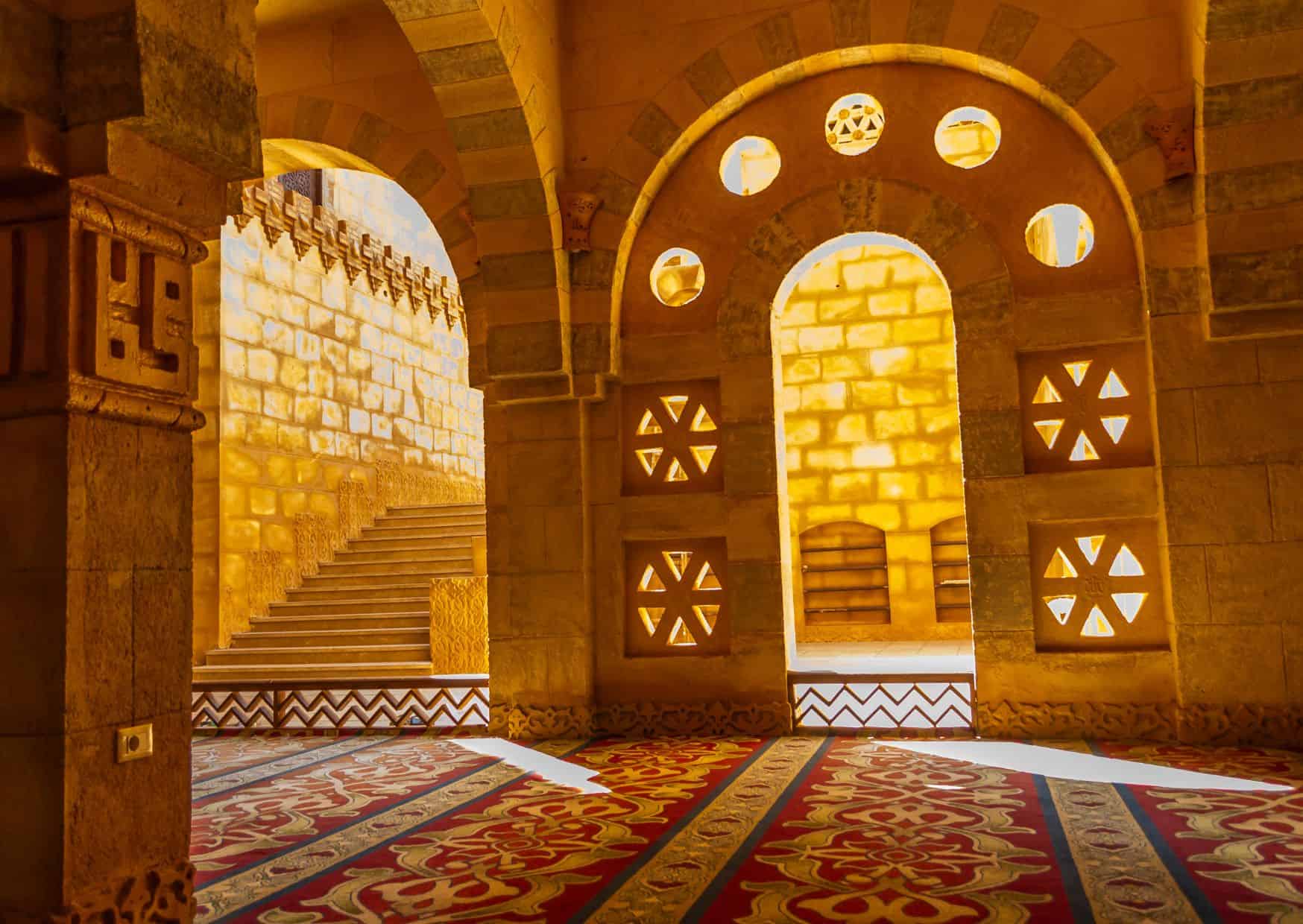
The call to prayer (Adhan) is an integral part of daily life in Egypt. While you’re not expected to stop everything, avoid loud or disruptive behavior during prayer times.
20. Don’t Swim in the Nile
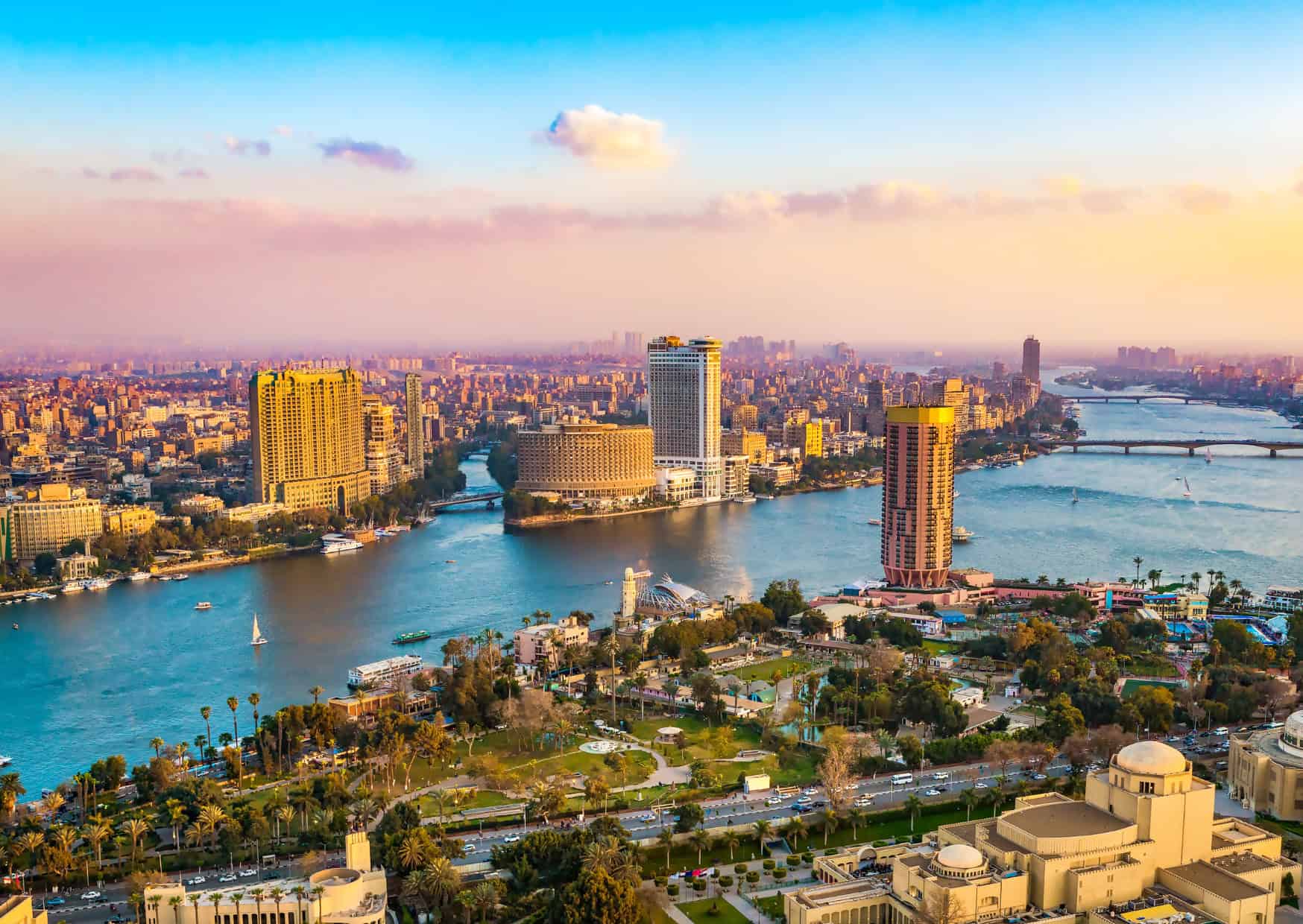
While the Nile is iconic, swimming in it can be unsafe due to pollution and potential health risks. Opt for guided boat tours instead.
Why You Should Follow These Rules
You should follow local etiquette because it makes everyday interactions much easier. A respectful greeting, patient tone, and willingness to listen can change the entire mood of an encounter.
Dressing with some awareness of the setting is also useful. You do not need to dress identically to locals, but more modest clothing can be appropriate around religious sites and traditional areas.
You should also ask before photographing people. Egypt offers endless visual opportunities, but people are not part of the scenery, and consent matters.
Respecting religious spaces is especially important. Mosques, prayer times, and religious practices should be treated as part of daily life rather than as tourist entertainment.
Most importantly, following local norms helps you experience Egypt with less friction. You spend less time feeling confused or offended and more time understanding how the country actually works.
Why You Should Not Care So Much
You should not become nervous about every small mistake. Egypt receives millions of visitors, and most people understand that tourists will not know every custom perfectly.
You also do not need to suppress your personality. Being curious, friendly, and expressive is fine as long as you remain respectful.
There is no reason to assume every awkward interaction is cultural. Sometimes a person is simply busy, tired, or uninterested, just as they would be anywhere else.
You should also avoid treating Egypt as culturally uniform. Cairo, Alexandria, Luxor, Aswan, Red Sea resorts, and rural areas can all feel very different.
Most of all, do not let etiquette anxiety take over the trip. Common sense and basic courtesy matter much more than trying to perform every social rule perfectly.
Final Thoughts
Traveling through Egypt is an unforgettable experience but it’s also a powerful lesson in cultural humility. The best trips aren’t just about what you see; they’re about how you engage with the people who call those places home. Understanding and respecting local customs doesn’t limit your travel it enriches it.
Remember, Egypt is a country of contrasts. Ancient and modern, secular and religious, relaxed and deeply traditional it doesn’t always fit into neat boxes. What might seem like a small faux pas in your country could be a big deal here, and vice versa. Awareness is your best travel companion.
By taking the time to learn what not to do in Egypt, you’ll not only avoid discomfort you’ll open the door to deeper, more genuine connections. So pack your curiosity, your respect, and these 20 must-know “don’ts” and prepare to explore one of the world’s most iconic cultures with grace and gratitude.

About the Author: Ruben, co-founder of Gamintraveler.com since 2014, is a seasoned traveler from Spain who has explored over 100 countries since 2009. Known for his extensive travel adventures across South America, Europe, the US, Australia, New Zealand, Asia, and Africa, Ruben combines his passion for adventurous yet sustainable living with his love for cycling, highlighted by his remarkable 5-month bicycle journey from Spain to Norway. He currently resides in Spain, where he continues sharing his travel experiences with his partner, Rachel, and their son, Han.