
An American woman lands in Europe, and within a day she has noticed the hands. Not consciously, perhaps, but the impression registers: the women around her have lovely nails, and yet something about them is different from home.
Short. Natural-shaped. Bare or in the quietest polish. And always, unfailingly, neat.
What is missing is just as telling as what is there. There are very few of the long, bright, elaborately decorated nails that fill American nail salons, the inch-long acrylics, the vivid gels, the intricate nail art. The European nail is the near-opposite of all that: understated, natural, and groomed, making its impression through tidiness rather than through length or color or design.
It is a small thing, the state of a person’s nails, but it is one of the first style differences American women pick up on, and it opens onto the same quiet philosophy that runs through so much of European grooming. Here is the European nail rule, what it actually looks like, why it reads as so elegant, the practical sense behind it, and what it has to teach, with the firm caveat that there is nothing wrong with loving bold nails if you do. The whole thing comes down to grooming rather than decoration.
The European Nail
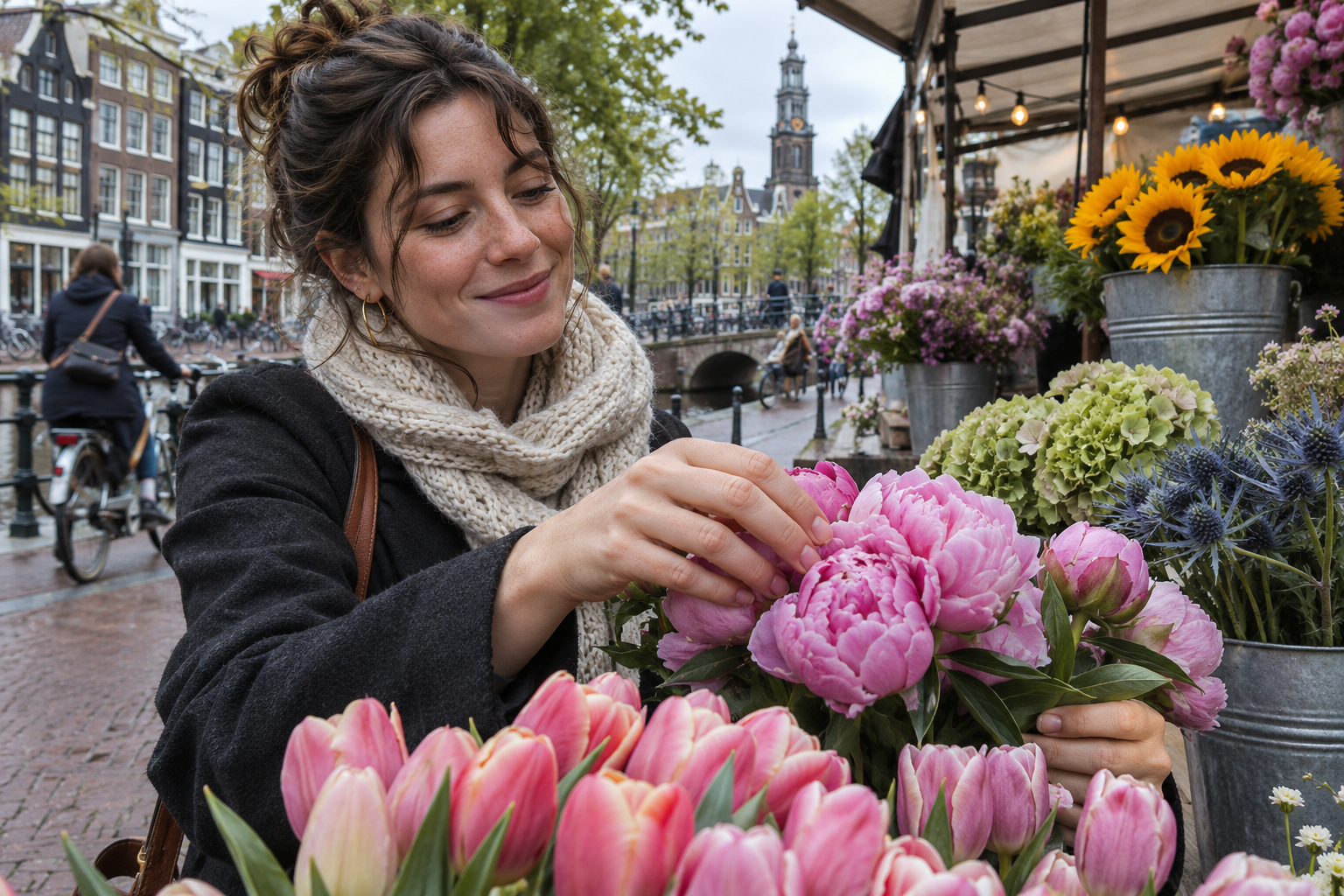
The European nail, broadly and with all the usual exceptions, follows a consistent and recognizable style. It is short to medium in length, kept to a practical, natural length rather than extended; it is shaped simply and naturally, rounded or softly squared, not sculpted into dramatic points or coffins; and it is finished quietly.
The finish is where the restraint really shows. Most often the nails are bare and buffed, left their natural color and simply kept clean and neat, or they wear a sheer, neutral, or classic polish, a nude, a soft pale pink, a milky white, and now and then a classic, glossy red, which is about as bold as the European nail traditionally gets. What you rarely see is the full apparatus of American nail fashion: the long extensions, the bright and unusual colors, the glitter and the rhinestones, the painted designs and elaborate nail art. The European nail is pared back to the essentials.
Above all, whatever its exact state, the European nail is always done. Done, here, does not mean elaborate; it means tended, clean, neat, and cared-for, with no chips, no ragged edges, no neglect. The defining quality is not decoration but upkeep, the sense of a hand that is looked after, and that quiet, consistent groomedness is the whole of the style. Short, natural, and always done captures it exactly: three simple requirements, no flourish required.
There is a quiet consistency to it that mirrors the hair and the jewelry. Just as the older European woman’s hair is always set and her gold is always on, her nails are always neat, and the three together form a picture of someone who keeps herself up as a matter of steady routine. None of the three elements is dramatic; their power is entirely in their reliability.
Not Long, Not Loud

To see the European nail clearly, it helps to set it against the American one, because the contrast is sharp and it runs along two axes: length and loudness. American nail culture, by comparison, leans enthusiastically toward both.
The American tendency is toward length and drama. Long nails, often extended with acrylic or gel well past the fingertip; bold, bright, and varied colors, the whole rainbow and beyond; and real artistry in the form of nail art, designs, patterns, ombre, charms, and seasonal themes. The American nail is often a canvas and a statement, a site of genuine creativity and self-expression, changed frequently and used to make a bold visual impression. It is nails as a feature, something to be noticed and admired in their own right.
And there is real pleasure and artistry in that, which should not be dismissed. American nail culture has turned the manicure into a genuine creative outlet, a small, affordable luxury and a form of personal expression that brings a lot of women real joy. It is a different value than the European one, prizing expression and fun over restraint, and it is entirely valid on its own terms, not a failing to be corrected.
The European approach points the other way on both counts: shorter rather than longer, and quieter rather than louder. Where the American nail aims to be seen, the European nail aims to be unremarkable in the best sense, present and neat but not attention-grabbing. The length is kept modest and the color kept subtle, so that the nails read as part of a well-groomed whole rather than as a standalone statement. It is less a different taste in decoration than a different idea of what nails are for: expression on one side, grooming on the other.
Groomed, Not Decorated
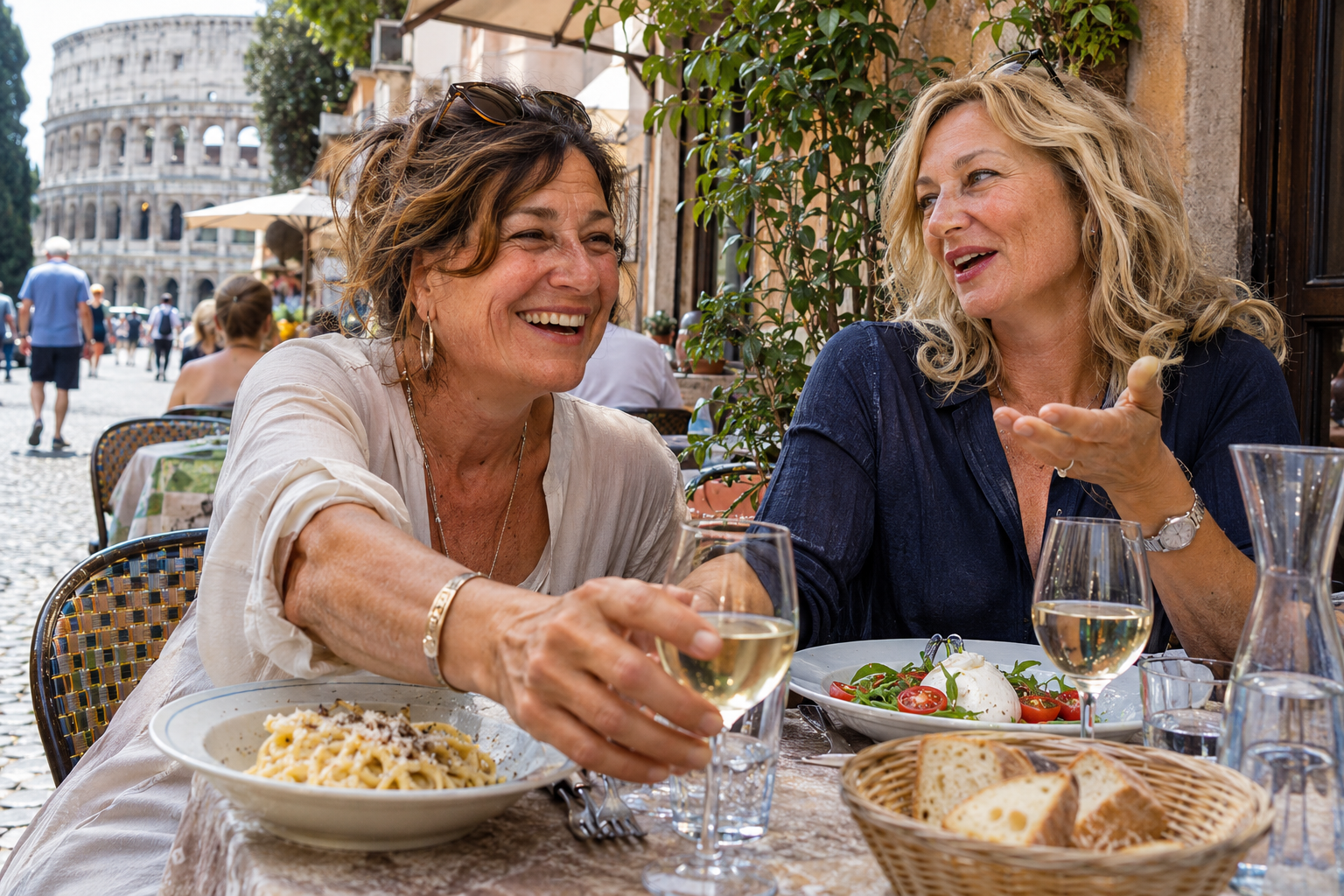
That distinction, between grooming and decoration, is the real key to the whole European approach, and it is worth drawing out because it explains everything else. The European instinct treats the nails as something to be well-groomed rather than something to be decorated, and those are genuinely different goals.
To decorate the nails is to make them a feature, to adorn and style and transform them into something eye-catching and expressive, a small artwork at the end of each finger. To groom the nails is simply to keep them clean, neat, healthy, and tidy, so that the hand looks cared-for and nothing more is asked of it. The European nail pursues the second goal almost exclusively: the aim is a hand that looks tended and put-together, not a hand that makes a statement, and the plain, natural, well-kept nail achieves that perfectly.
This fits seamlessly with the whole European grooming philosophy, the same less-is-more instinct that favors a light hand with makeup and a quiet palette in clothes. In each case, the goal is to look effortlessly well-put-together through restraint and upkeep rather than through bold additions, and the nails are simply one more expression of it. The groomed-not-decorated nail belongs to the same world as the no-makeup-makeup face and the neutral winter coat: quietly cared for, never shouting, elegant through what is left off rather than what is piled on.
Always Done, Never Noticed
There is a lovely paradox at the heart of the European nail, the same one that governs so much of this kind of grooming: it is always done, and yet it is never what you notice. The nails are consistently tended, but their very understatement means they do not draw the eye the way elaborate nails do.
This is by design, and it is the mark of the whole approach. The sign of good grooming, in the European sense, is not that anything is elaborate but that nothing is neglected: no chip, no snag, no ragged cuticle, no grown-out mess.
The nails are simply, reliably neat, and that reliability is the entire point. You are not meant to look at a European woman’s hands and admire her nails specifically; you are meant to take in the overall impression of a put-together, well-kept person, of which the tidy nails are a quiet, almost subliminal part.
This is precisely the opposite of statement nails, which are meant to be seen and remarked upon. The European nail succeeds by being unremarkable, by contributing to an impression of overall polish without ever stepping forward to claim attention for itself.
It is grooming as background rather than foreground, the kind of thing you would only notice by its absence, if the nails were suddenly chipped and neglected. Done but not noticed is a high standard in its own quiet way, and it is harder than it sounds to be consistently, invisibly well-kept, which is why the quiet nail signals as much care as any flashier one.
The Practical Logic

Beyond the aesthetics, there is a genuinely practical logic to the short, natural, low-key nail, and it is part of why the style endures. Simply put, short natural nails suit a real, hands-on life in a way that long elaborate ones do not.
Think about what hands actually do. They cook, garden, clean, type, care for children and grandchildren, and handle the ordinary business of a busy life, and short, natural nails are far better suited to all of it than long extensions, which get in the way, break, and limit what the hands can comfortably do. The European nail is a working woman’s nail, practical and unobtrusive, ready for a life lived with the hands rather than for display. There is a sensible, grounded quality to choosing nails you can actually live with.
The low-maintenance economics reinforce it. A natural, buffed, or simply polished nail requires no expensive salon extensions, no regular fills to keep up with growth, and far less time and money than a constant cycle of acrylics or elaborate gels.
It never reaches that awkward grown-out stage where the gap shows and the whole thing looks neglected, because there is nothing to grow out, and a quick tidy keeps it looking good. The short natural nail is cheaper, easier, more durable, and more practical, which is a powerful combination, and very much in keeping with the broader European preference for understated things that simply work.
Why It Reads as Elegant
All of this would be merely practical if the result did not also look good, but it does, and understanding why completes the picture. The short, natural, well-groomed nail reads as elegant for the same reasons that neutral clothes and minimal makeup do: restraint, timelessness, and quiet confidence.
Understated nails simply look classic and refined. A neat, natural nail or a simple sheer manicure has an air of effortless good taste, the sense of a woman who is well-kept without trying too hard, where very long or very elaborate nails can read as more trend-driven, more high-maintenance, more of a statement. The quiet nail carries that quality of expensive-looking understatement, the elegance of not needing to decorate, which is one of the most reliable routes to looking polished there is. It is the same principle that makes the quiet outfit look more luxurious than the loud one.
There is also something about the hands specifically that rewards this restraint. Hands are intimate and much-used, always in view as we talk and gesture and work, and there is a natural, human elegance to a well-kept bare hand that heavy decoration can actually obscure. A simple, cared-for nail lets the hand itself read as graceful, where a very elaborate one draws the eye to the ornament instead, which is a different and more effortful kind of beauty.
And it never dates, which is the final advantage. A natural manicure or a classic red looks as good and as correct now as it did decades ago and will decades hence, where elaborate nail trends come and go and can look dated almost as soon as they peak. The understated nail is timeless in a way that trend-driven nail fashion can never be, and timelessness is itself a mark of elegance. There is a quiet confidence in a nail that makes no statement, the confidence of a woman who does not need her fingertips to do her talking, and that confidence is a large part of why the look reads as so assured and so chic.
Keeping It Simple
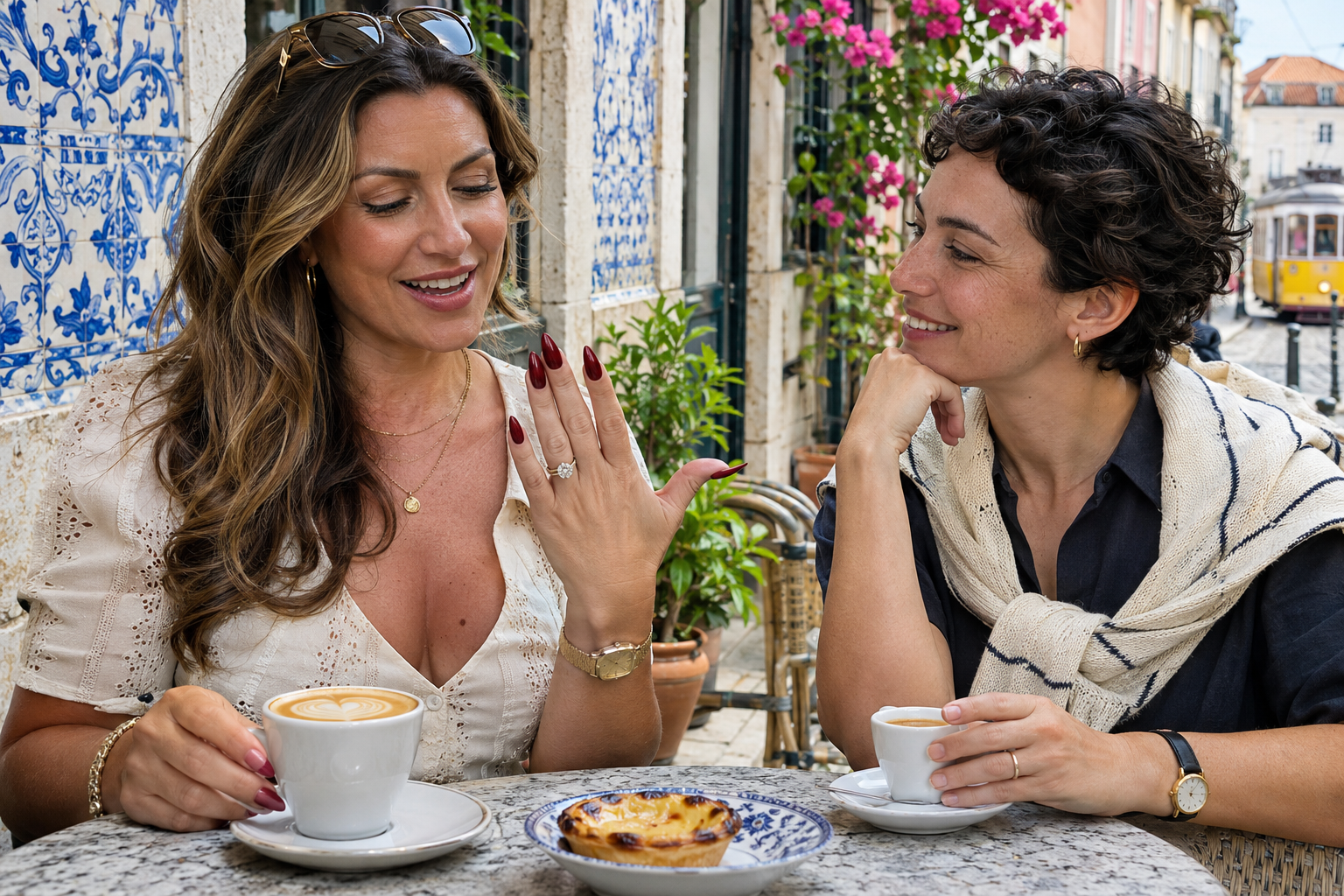
So what is a woman to do with all this? As with every one of these style observations, the first thing to say, clearly and sincerely, is that there is nothing wrong with the American way, and nothing to apologize for in loving bold, long, creative nails. Nail art is a genuine art form, a source of real joy and self-expression and fun, and a woman who delights in her elaborate manicures is not doing anything that needs correcting.
But if the European look appeals to you, it is one of the easiest and cheapest to adopt, because it asks for less rather than more. Keep your nails a sensible, natural length, shape them simply, and keep them clean, neat, and free of chips.
Either leave them bare and buffed or wear a quiet neutral or a classic shade, and that is genuinely the whole of it. It requires no expensive salon habit, no skill, and very little time, just regular, modest upkeep. The low-effort elegance of it is the whole appeal. For a woman who has felt trapped on the treadmill of salon fills, or who simply never enjoyed the upkeep of elaborate nails, the European approach can come as a genuine relief: permission to do less and still look lovely.
The real rule underneath it all, the one worth keeping whatever your personal style, is simply to be well-groomed, to keep your nails tended and tidy whether they are long and bright or short and bare.
A chipped, neglected elaborate manicure looks far worse than a simple, well-kept natural one, so the universal lesson is not about length or color at all but about care. Keep your nails, in whatever style you love, clean and done, and you have the heart of it. Beyond that, decorate them to your heart’s content or leave them plain, as you please; the European rule is only that you look after them, and that one is worth borrowing no matter how you wear them.

About the Author: Ruben, co-founder of Gamintraveler.com since 2014, is a seasoned traveler from Spain who has explored over 100 countries since 2009. Known for his extensive travel adventures across South America, Europe, the US, Australia, New Zealand, Asia, and Africa, Ruben combines his passion for adventurous yet sustainable living with his love for cycling, highlighted by his remarkable 5-month bicycle journey from Spain to Norway. He currently resides in Spain, where he continues sharing his travel experiences with his partner, Rachel, and their son, Han.