Skip to Content

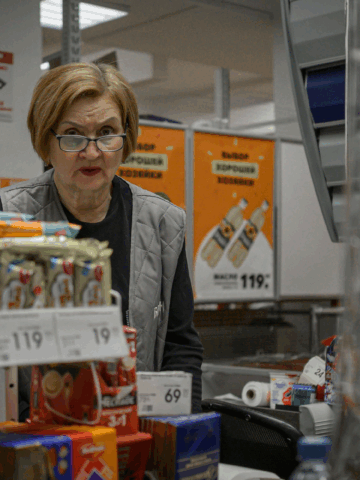
Americans Do This at European Checkouts and Instantly Annoy Everyone Behind Them

The rude move is not smiling too little or failing some secret phrase test. It is much simpler than that. In much of Europe, the checkout is treated as a fast shared zone, and a lot of Americans still treat it like a private packing station. A lot of Americans do this without even noticing. …
Read More about Americans Do This at European Checkouts and Instantly Annoy Everyone Behind Them

The Italian Morning Habit That Completely Reframed My Acid Reflux Routine: I Drank Lemon Water the Italian Way for 60 Days Then Closed the Antacid Bottle

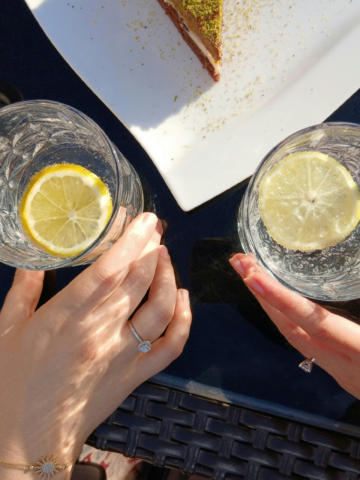
A 64-year-old woman in a small town outside Florence starts every morning the same way she has for the past 35 years. She fills a glass with warm water from the kettle. She squeezes half a lemon into it. She sips it slowly across about 8 minutes while she stands at her kitchen window. Then …

Read More about The Italian Morning Habit That Completely Reframed My Acid Reflux Routine: I Drank Lemon Water the Italian Way for 60 Days Then Closed the Antacid Bottle

The European Shower Habit That Changed My Skin in One Month: I Showered Like a European for 30 Days and My Skin Completely Changed

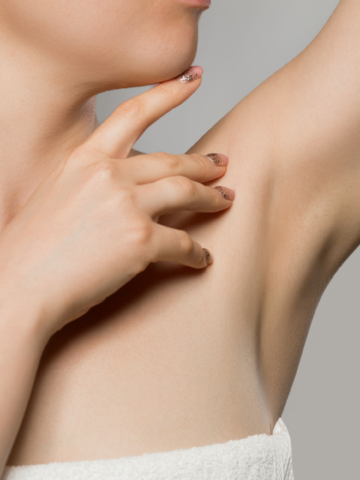
Americans are destroying their skin with twice-daily scalding showers, 47 products, and aggressive scrubbing while Europeans take 5-minute lukewarm rinses three times a week and have perfect skin. My French neighbor showers every third day, uses one bar of soap, and has skin like a 25-year-old at 58 while I was showering twice daily with …

Read More about The European Shower Habit That Changed My Skin in One Month: I Showered Like a European for 30 Days and My Skin Completely Changed

9 Home Hygiene Standards Italians Would Never Compromise On

The useful comparison is not that Italians are magically cleaner. It is that many Italian homes treat hygiene as daily order, not as a weekend rescue project after the house has already lost control. An Italian kitchen can look almost too simple. A sponge where it belongs. A dish towel that is not used for …

Read More about 9 Home Hygiene Standards Italians Would Never Compromise On

The Italian Lunch Rule That Makes American Breakfast Obsolete After 55

The useful Italian habit is not skipping breakfast. It is refusing to let breakfast carry the whole day when lunch is the meal that can actually do the work. The American breakfast was built to be loud. Big coffee. Big sweetness. Big protein claims. Big cereal boxes. Big brunch. Big guilt if the morning does …

Read More about The Italian Lunch Rule That Makes American Breakfast Obsolete After 55

They Moved to Spain After 60: Two Years Later, They Wanted Out

Spain is still one of the easier European countries to love from a distance. The harder part is building a life there after the first apartment lease, first visa renewal, first tax scare, and first winter without the people who used to know you automatically. The first year in Spain can feel like an exhale. …

Read More about They Moved to Spain After 60: Two Years Later, They Wanted Out

The Greek Dinner Habit That Quietly Creates a 16-Hour Overnight Fast

The useful lesson from Ikaria is not that breakfast must happen at exactly 11 or dinner must end at exactly 7. It is that many long-lived Greek households built eating around daylight, real meals, long gaps, and food that did not keep asking to be eaten. On Ikaria, the day does not look like a …

Read More about The Greek Dinner Habit That Quietly Creates a 16-Hour Overnight Fast

The 5 Reasons Ohio Retirees Don’t Last Two Years In The South Of France

A woman in her early sixties stands at her apartment door in Lucca. She has been here for 26 months. She is going home to Pittsburgh. She is not unusual. Most American women over 58 who move to Italy do this. The return is rarely about Italy. It is about specific structural factors that the …

Read More about The 5 Reasons Ohio Retirees Don’t Last Two Years In The South Of France

My Body Changed After 30 Days Without the Ingredients Americans Barely Notice

The easiest way to feel “healthier in Europe” is not the sunshine. It’s removing the American shelf stable ingredient stack and watching your hunger, sleep, and inflammation dial down without a pep talk. This was not a cleanse. Nobody cried into celery juice. It was a simple experiment with a very specific enemy: the American …

Read More about My Body Changed After 30 Days Without the Ingredients Americans Barely Notice

Italians Argue More Openly: Americans Say “Sorry” Constantly. Italians Handle Conflict Very Differently

Italians apologize less than Americans, and the apologies they do give carry different weight, different content, and different consequences for the relationships involved. This is not the stereotype Americans expect. The American stereotype of Italian culture leans toward warmth, family closeness, expressive emotion, and verbal generosity. The stereotype is not entirely wrong, but it gets …

Read More about Italians Argue More Openly: Americans Say “Sorry” Constantly. Italians Handle Conflict Very Differently

The Spanish Eating Habit Cardiologists Point to for Lower Blood Pressure

The Mediterranean diet has been studied for cardiovascular effects for more than sixty years. The general findings are well established. What has received less attention in American health writing is a specific Spanish eating habit that researchers and increasingly cardiologists have been identifying as one of the strongest individual contributors to the blood pressure improvements …

Read More about The Spanish Eating Habit Cardiologists Point to for Lower Blood Pressure

Why French People Don’t Ask “How Are You?” And It’s Not Because They’re Rude

The American walks into the bakery in Lyon and says “hi, how are you doing today?” The baker looks confused for a half second, then says “bonjour” and waits. The American is mildly hurt. The baker has not asked back. The transaction proceeds, the bread is purchased, and the American leaves with the impression that …

Read More about Why French People Don’t Ask “How Are You?” And It’s Not Because They’re Rude