
And what it reveals about rhythm, value, and a life that refuses to be rushed
Ask an American to describe a productive day, and you’ll likely hear words like “efficient,” “scheduled,” or “hustle.” The image is clear: morning routines, stacked calendars, quick meals, multitasking, and ideally, something to show for every hour.
Now ask an Italian. Somewhere between the talk of work and appointments, you’ll hear one word that doesn’t quite fit into the American rhythm: riposo the sacred midday break.
Not just a short lunch. Not just pausing to eat a sandwich at your desk.
A full, meaningful break in the middle of the day, where shops close, streets quiet down, and entire towns pause.
To many Americans, this still feels like laziness. “You shut down the business at peak hour?” “You take a nap when you could be working?” “You plan your entire day around being unavailable for three hours?”
But in Italy, it’s not lazy. It’s logical. It’s cultural. And it’s deeply embedded in how people define a life well lived.
Here’s why Italians plan their days around something Americans are taught to push through and what that reveals about different priorities, bodies, and definitions of success.
Want More Deep Dives into Everyday European Culture?
– Why Europeans Walk Everywhere (And Americans Should Too)
– How Europeans Actually Afford Living in Cities Without Six-Figure Salaries
– 9 ‘Luxury’ Items in America That Europeans Consider Basic Necessities
The controversial truth is that Americans often confuse visible busyness with effectiveness. A packed calendar, lunch eaten at a desk, and constant availability can look impressive without necessarily producing better work or a better life.
Another uncomfortable reality is that some Italian habits Americans describe as lazy are really about boundaries. Taking a proper lunch break or refusing to turn every free hour into work does not automatically mean someone lacks ambition.
At the same time, romanticizing the Italian lifestyle can be misleading. Long closures, slower service, bureaucracy, and reduced availability can become genuinely frustrating when you need something done quickly.
There is also a class and job difference that often gets ignored. Someone with predictable hours can protect lunch or evening time more easily than a hospitality worker, healthcare employee, freelancer, or parent balancing multiple responsibilities.
The real controversy is that neither constant hustle nor constant relaxation is automatically superior. The more useful question is whether your daily rhythm supports the life you actually want rather than simply copying what your culture rewards.
1. The Midday Break Is Built Into the Culture Not an Afterthought

In many parts of Italy, especially smaller towns and southern regions, the hours between 1 p.m. and 4 p.m. are treated almost like a second night. Businesses close. Pharmacies close. Even banks, hardware stores, and government offices often lock their doors.
Why? Because this is riposo time a pause not just for lunch, but for slowing down.
You eat. You rest. You step away. And then you return to work or errands in the late afternoon.
Italians don’t squeeze riposo in if the day allows. They build the day around it.
2. The Climate Supports It But That’s Not the Whole Story
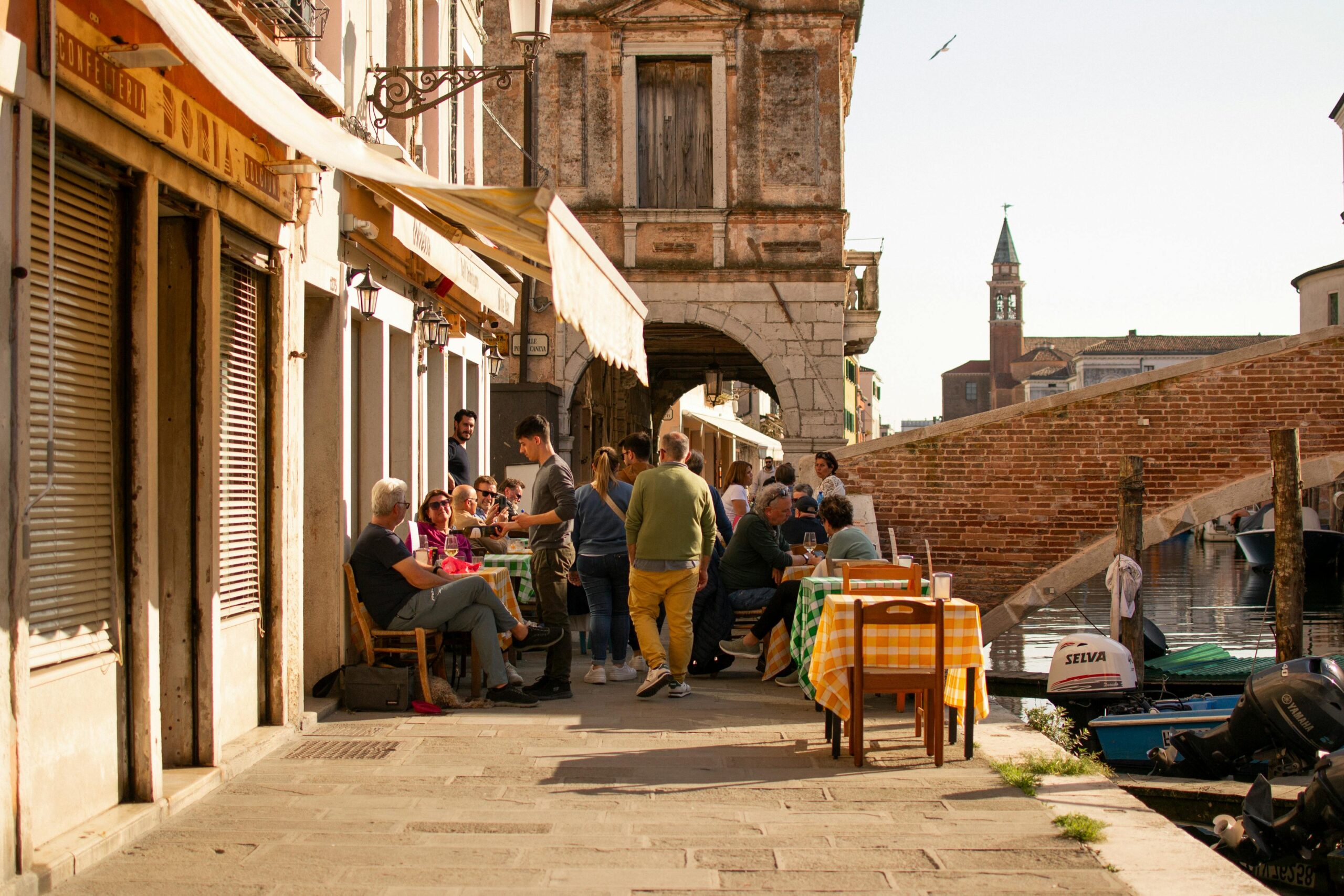
Yes, riposo has practical roots. In southern Italy, where summer temperatures regularly climb above 35°C (95°F), working through the midday heat is uncomfortable and sometimes dangerous.
Shutting down during the hottest hours is a practical adaptation and one shared by cultures around the Mediterranean.
But even in regions where the heat isn’t extreme, riposo persists. Why? Because it’s not just about temperature. It’s about rhythm. A natural arc of energy and rest that the body and the culture honors.
3. Meals Are Worthy of Time Not Something to Get Through

In the U.S., lunch is often fast. Eaten at desks, in cars, or between appointments. A fuel stop, not an experience.
In Italy, lunch is central. A full meal. Often at home. With multiple courses if there’s time. Followed by espresso. Maybe followed by a nap.
It’s not indulgence. It’s how the body and mind recharge. And it’s how families connect during the day.
To rush through lunch is to miss a core part of daily life something Italians aren’t willing to sacrifice for the illusion of productivity.
4. Rest Isn’t Earned It’s Expected
In American work culture, rest is treated as a reward. You rest after you produce. You earn your weekend. You earn your vacation. Even sleep is sometimes framed as something to optimize for better performance later.
In Italy, rest is non-negotiable. It’s not something you buy with hard work. It’s something you need, and you take it because you are human.
You don’t need to explain why you’re closing the shop. It’s riposo. Everyone understands.
That baseline respect for rest builds resilience and long-term mental health without needing to be wrapped in wellness trends.
5. Productivity Is Not Linear It Has a Curve

American schedules often aim for consistent output: 9 to 5, back-to-back tasks, regular meetings.
Italians understand that energy comes in waves. You’re more focused in the morning. You dip in the afternoon. You revive in the evening.
By aligning the workday with that curve, Italians work better when they work and rest deeply when they rest.
You can reopen the shop at 5 p.m., stay until 8, and still have a vibrant evening ahead.
That rhythm is intuitive and remarkably sustainable.
6. The Streets Go Quiet But the Culture Isn’t Sleeping
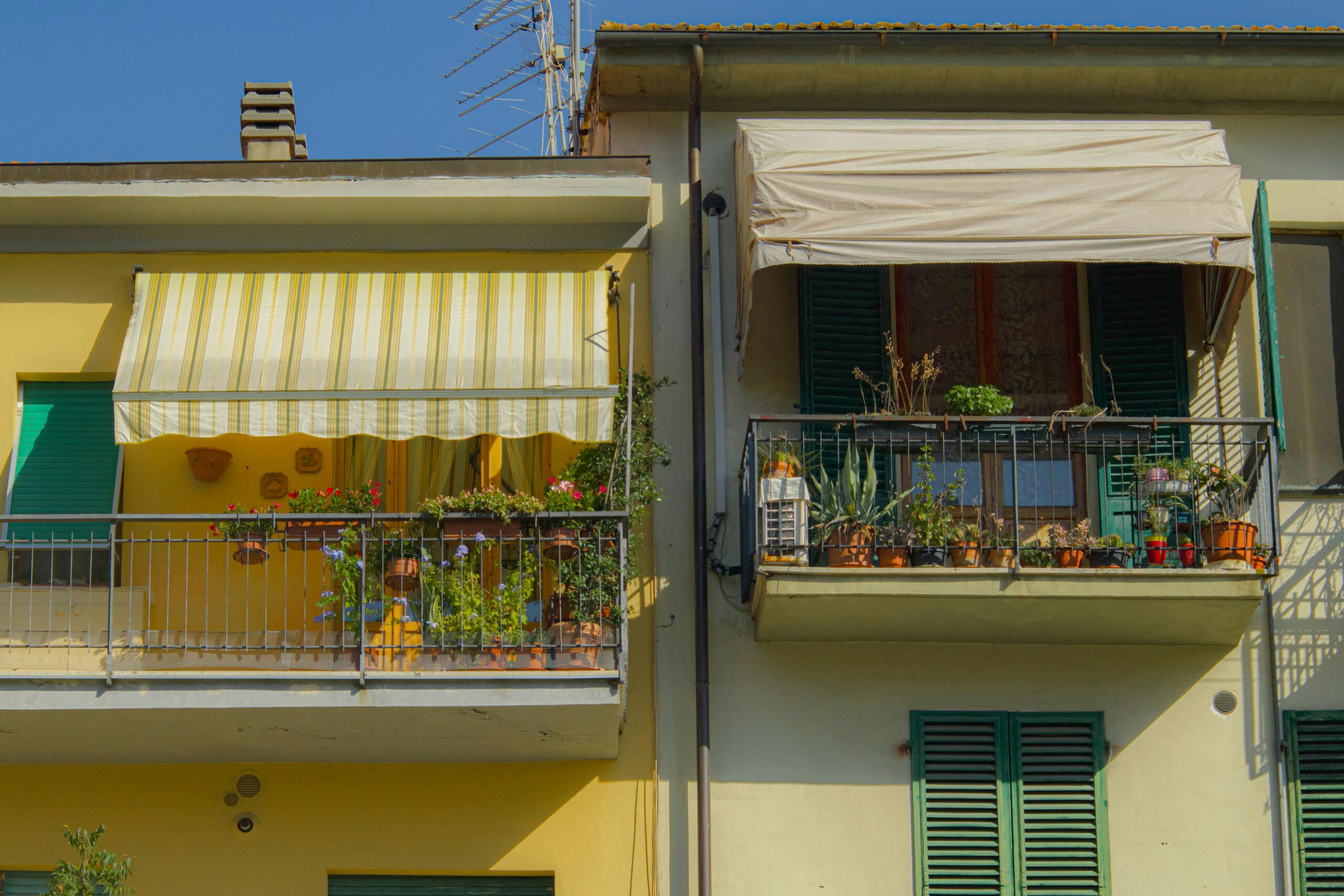
To outsiders, a mid-afternoon Italian town can look deserted. Shops shuttered. No foot traffic. Even the bells seem quieter.
But this isn’t laziness. It’s intentional withdrawal. People are eating lunch, reading, catching up with family, or simply stepping away from the noise.
It’s not a vacuum. It’s a shift in energy from public to private, from motion to pause.
And then, by 5 or 6 p.m., the town comes alive again. Streets fill. Stores reopen. Aperitivo begins.
Italians didn’t disappear. They simply took a full breath before continuing the day.
7. There’s No Guilt in Saying “I’m Closed”
In the U.S., customer service runs on availability. If you’re not open, you’re losing money. You risk complaints. You’re seen as unprofessional.
In Italy, closing for riposo is not an apology. It’s a signal that this business and the person behind it respects the limits of energy and attention.
You don’t leave a note saying “Sorry for the inconvenience.”
You say, “Chiuso per riposo.” Closed for rest.
It’s not rudeness. It’s boundaries. And most customers expect and appreciate it.
8. Children Are Raised Inside the Rhythm Not Against It

Italian children are not overscheduled. They nap in the afternoon, especially when young. Their schools often end before lunch. They grow up in households where adults rest, so they learn to rest too.
There’s no shame in a midday pause. It’s not laziness. It’s life.
Compare that to American childhoods packed with activities, constant stimulation, and early pressure to perform and you see how the two systems create very different adults.
Adults who need productivity to feel worthy versus adults who know rest is part of being present.
9. The “Lazy” Perception Comes from a Different Clock
To Americans, riposo looks like lost time. That’s because American time is based on output per hour.
Italian time is based on value per moment.
Did you rest? Did you connect? Did you enjoy your meal? Were you fully alive in that moment?
If yes that was time well spent.
Even if you didn’t answer emails. Even if the shop was closed. Even if the afternoon passed without visible progress.
The day wasn’t wasted. It was lived.
Why You Should Follow This Habit
Protecting part of the day from constant work can help create clearer boundaries. A proper meal break, an uninterrupted walk, or time with family can prevent the entire day from becoming one continuous block of obligations.
You should also consider doing fewer things at once. Italians often treat meals, coffee, and conversation as activities worth paying attention to rather than tasks to combine with email, commuting, or work.
Planning around real breaks may also make the rest of the day feel more intentional. When downtime is scheduled instead of improvised, it becomes easier to stop feeling guilty every time you are not actively producing something.
There is also something valuable about letting social life occupy a legitimate place in the calendar. Seeing friends, eating with family, and spending time outside do not have to be rewards saved for after every task is complete.
Most importantly, following this approach can force you to decide what actually matters. A slower schedule does not necessarily mean doing less of everything. It can mean doing fewer things with more attention.
Why You Should Not Care So Much
You should not assume that copying an Italian daily rhythm will automatically improve your life. Work schedules, school hours, commuting, childcare, and financial pressures may make long breaks unrealistic.
There is also no reason to feel guilty if you genuinely enjoy a fast-paced day. Some people thrive on momentum, early mornings, packed schedules, and frequent activity.
You should not romanticize inefficiency either. A relaxed attitude can become frustrating when deadlines, appointments, customer service, or essential tasks require speed and reliability.
Italy itself is far from uniform. Business culture in Milan, tourism work in Venice, agricultural schedules in Sicily, and family life in Bologna can all look very different.
Most of all, do not turn another culture into a rigid lifestyle rule. The goal is not to behave Italian. It is to notice whether parts of your current routine exist because they serve you or simply because you have never questioned them.
One Day, Two Realities
To Americans, planning your entire day around a three-hour break sounds impractical or even irresponsible.
To Italians, not planning for that break is what’s unreasonable.
In the U.S., success is often tied to uninterrupted motion.
In Italy, success is tied to rhythm and the ability to know when to stop.
So the next time you’re in Italy and find yourself face-to-face with a “Chiuso per riposo” sign, don’t grumble.
Take the hint. Sit down. Eat slowly. Stare out the window. Nap.
You’re not missing out. You’re living like an Italian and learning what it means to move through the day like it matters.
The Italian approach to the day can feel strange to Americans because it challenges the idea that every hour should produce something measurable.
There is value in protecting meals, conversation, rest, and unstructured time even when those things do not look productive on a calendar.
At the same time, the slower rhythm should not be idealized. It works best when balanced with responsibility, reliability, and the realities of modern life.
The most useful lesson is probably not to copy Italian schedules exactly, but to become more deliberate about where your time goes.
In the end, what one culture calls lazy may simply be another culture refusing to treat every moment as work. That difference is worth paying attention to, even if you only adopt a small part of it.

About the Author: Ruben, co-founder of Gamintraveler.com since 2014, is a seasoned traveler from Spain who has explored over 100 countries since 2009. Known for his extensive travel adventures across South America, Europe, the US, Australia, New Zealand, Asia, and Africa, Ruben combines his passion for adventurous yet sustainable living with his love for cycling, highlighted by his remarkable 5-month bicycle journey from Spain to Norway. He currently resides in Spain, where he continues sharing his travel experiences with his partner, Rachel, and their son, Han.